
Last updated November 15, 2026
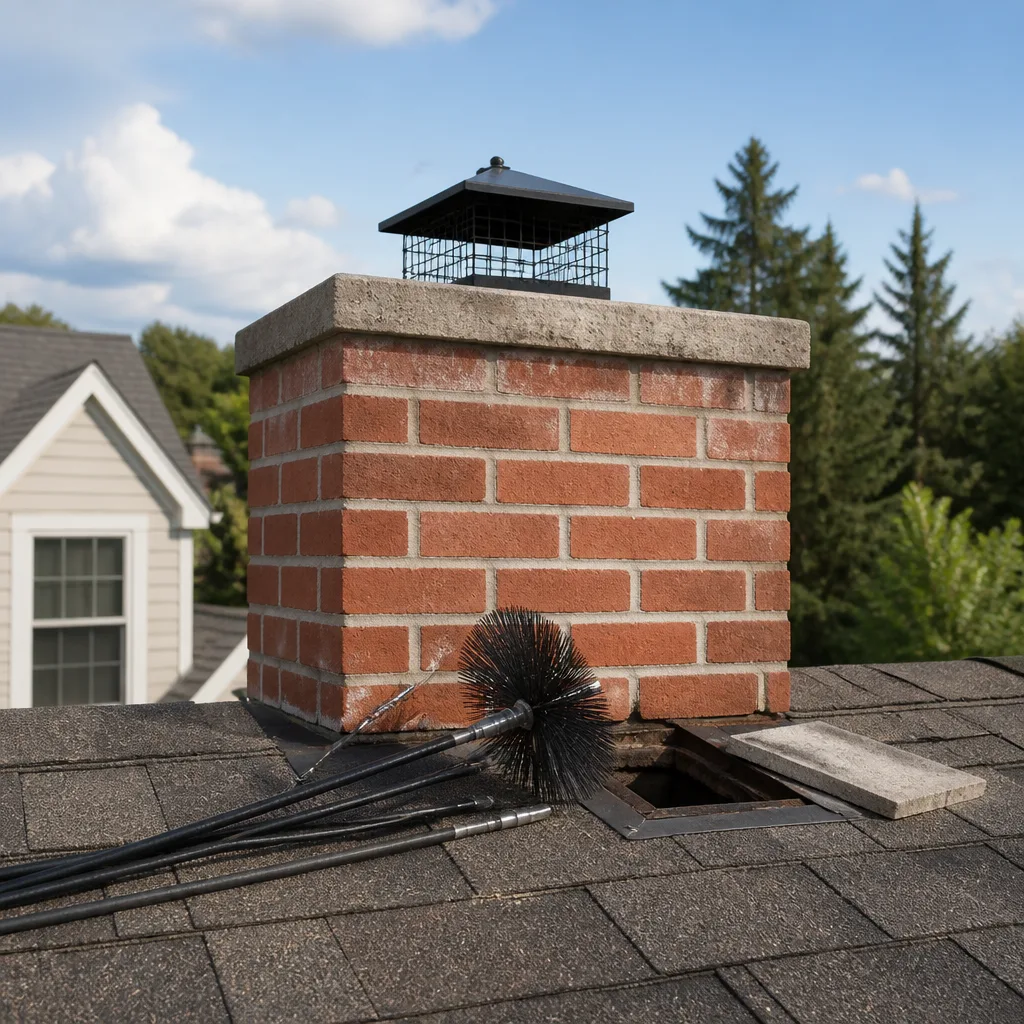 Sweep & inspection
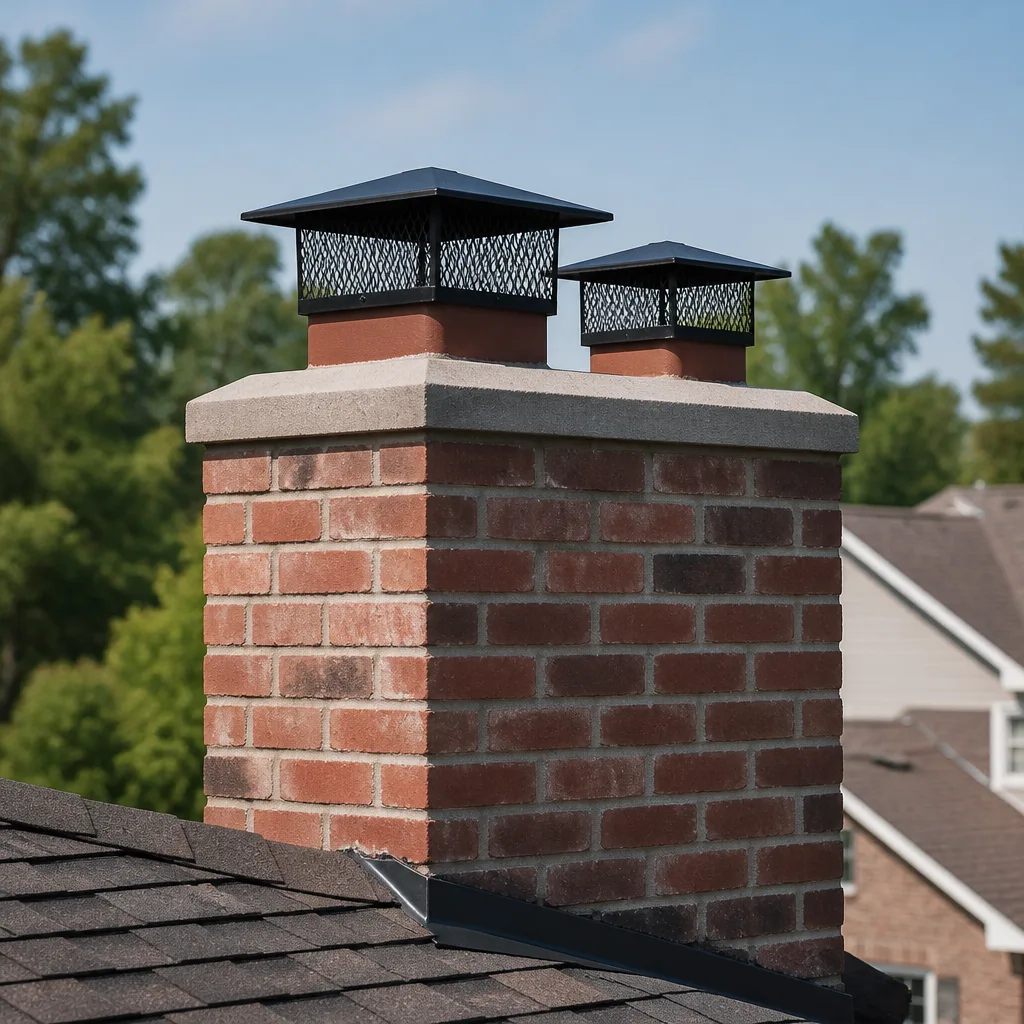 Caps & crowns
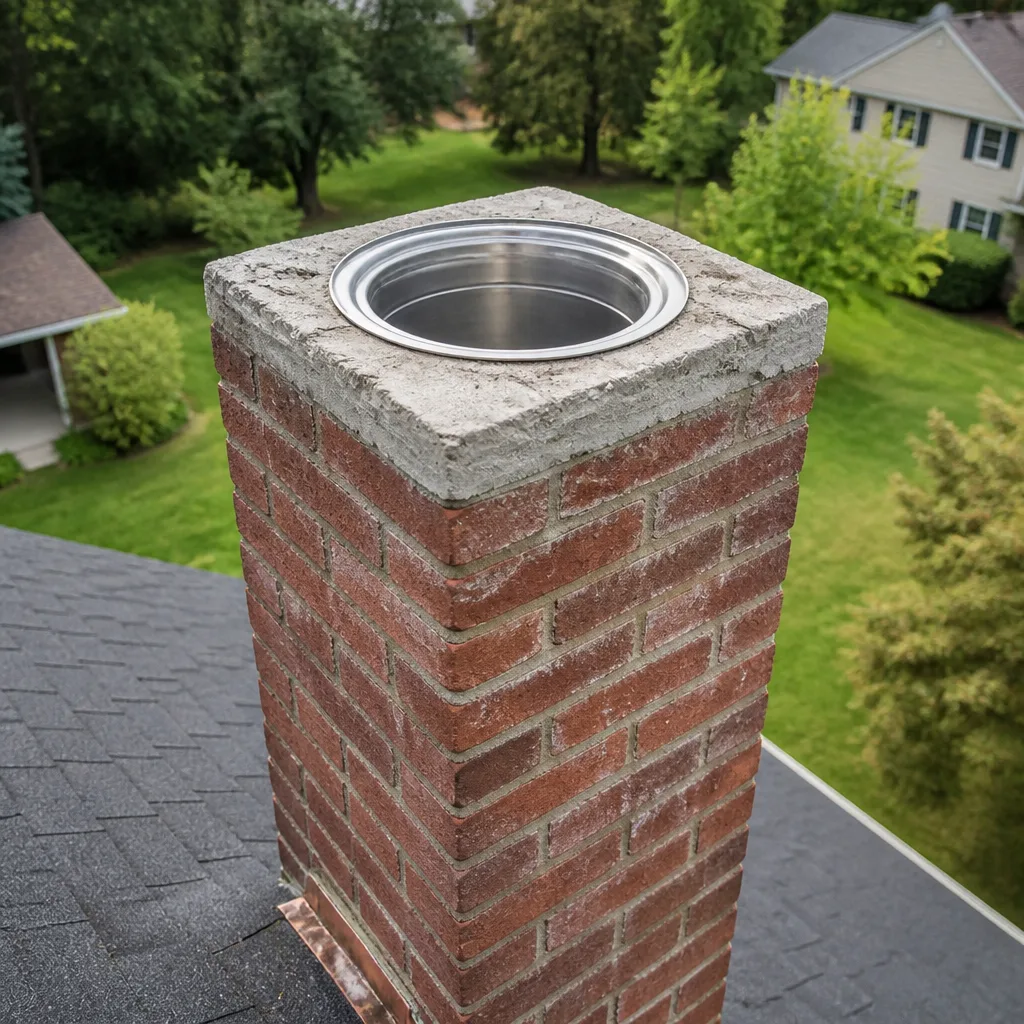 Flue relining
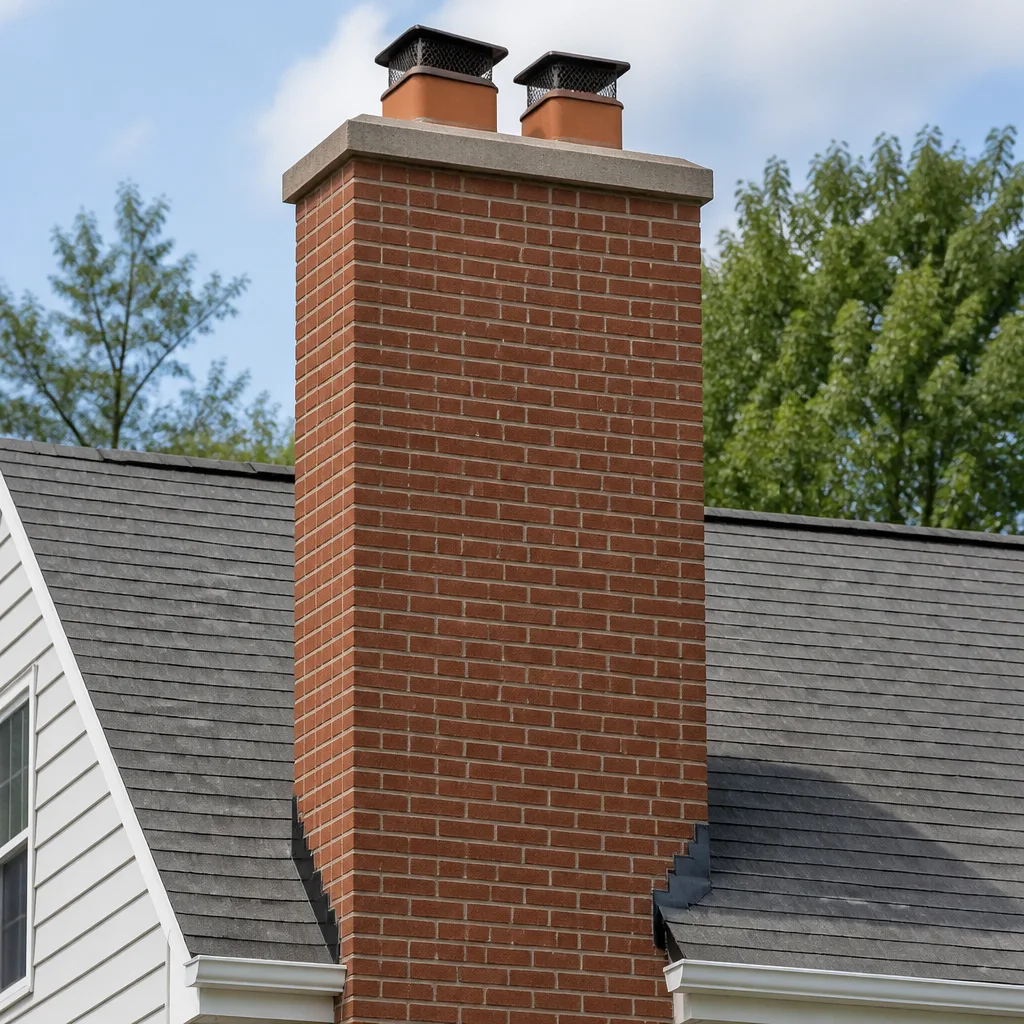 Masonry repair
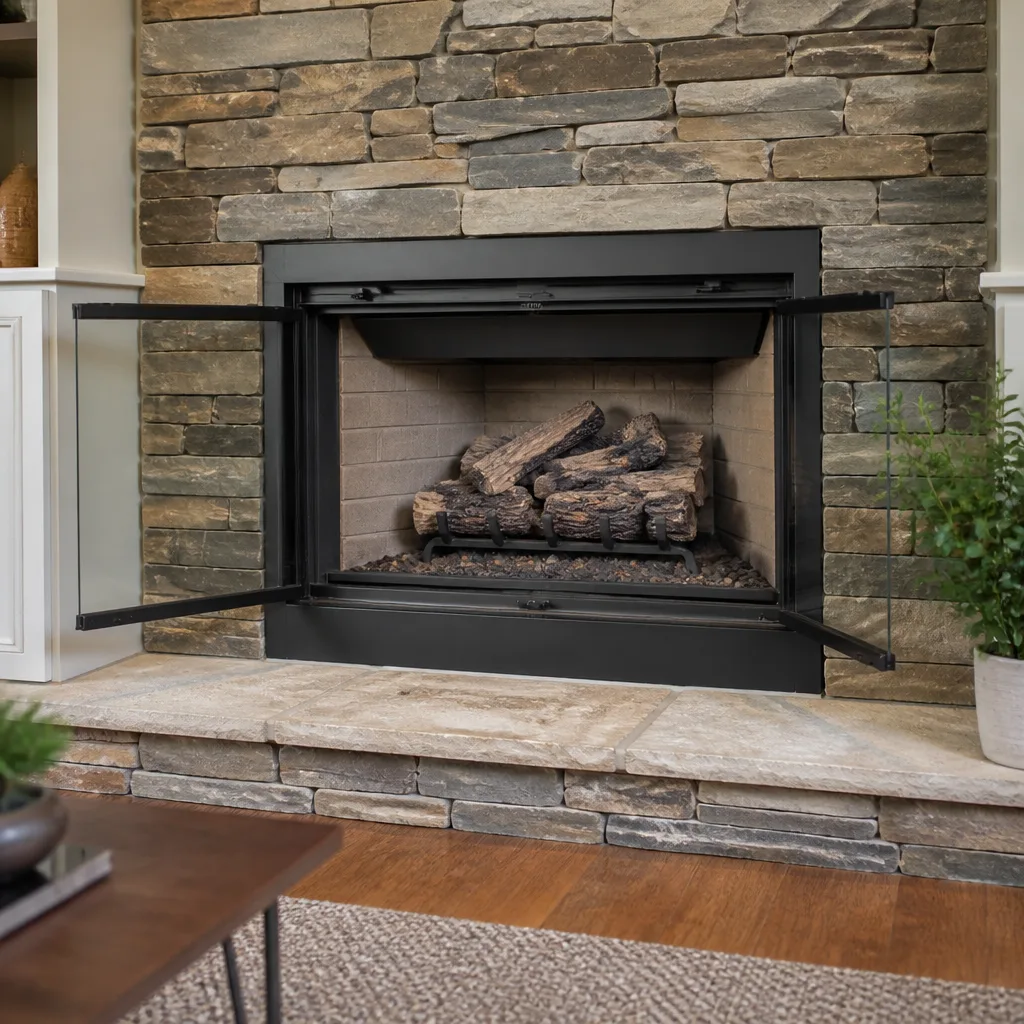 Gas fireplace service
Level 1 sweep and inspection to the NFPA 211 annual standard - flue, crown, cap, and flashing checked and photographed
Chimney sweep logs do not sweep chimneys. They loosen some creosote - which then falls where a brush and vacuum still have to collect it.
How to Hire a Chimney Cleaning Contractor in Spring Valley: A Step-by-Step Guide
CSIA certification is the floor, not the ceiling. Almost every homeowner we talk to in Spring Valley knows to ask whether a chimney contractor is certified, and that’s a good instinct. But the harder question, and the one that actually tells you what kind of operation you’re dealing with, is simpler: what brand of liner do they stock, and why that one? A contractor who can name the system going into your flue, explain why it fits your appliance and venting setup, and show you the certification behind the installation is running a real operation. A contractor who mumbles about “good quality materials” is probably fitting whatever the supply house had on the shelf. This guide walks you through the questions, credentials, and red flags that separate the two, so you can hire with confidence in Spring Valley.
Quick Answer
To hire a chimney cleaning contractor in Spring Valley, verify CSIA certification (and NFI certification if you have a gas or wood appliance), ask for a written estimate that itemizes inspection level and sweep scope, ask what brand of liner and cap they install and why, and confirm they work to Nevada fire code under NRS 477. A qualified contractor inspects before sweeping, shows you what they find, and puts the scope in writing before any work begins. Anything less is a reason to keep calling.
Styles & brands we work with
- Sweep & inspection
- Caps & crowns
- Flue relining
- Masonry repair
- Gas fireplace service
Table of Contents
- Why the Spring Valley Chimney Market Is Hard to Read
- What CSIA and NFI Certification Actually Cover
- Nevada-Specific Code: What NRS 477 Means for Your Chimney
- The Interview Questions That Reveal a Real Contractor
- What a Legitimate Written Estimate Includes
- Why the Materials a Contractor Stocks Matter
- Reading Online Reviews for Chimney Services
- Inspection Levels Explained: Level 1, 2, and 3
Why the Spring Valley Chimney Market Is Hard to Read
Spring Valley sits in the Las Vegas Valley, and that geography shapes how chimneys here actually age. Our desert climate swings hard between cool nights and warm days through much of the year, and the heating season compresses into a few focused months when homeowners run their fireplaces and inserts consistently. That pattern means chimneys here often sit idle for long stretches, then get worked hard, which can produce creosote buildup and masonry movement that a casual inspection misses. A sweep-only operator can glide past that. A contractor who understands the local climate will look for it.
The bigger complication is who’s offering chimney services in Spring Valley. You’ll find certified specialists who stock professional-grade materials and handle repair alongside maintenance, and you’ll find general handymen who’ve added chimney sweeping to their service list. Both may show up, both may hand you a business card, and both may quote a price. The difference shows up later: in whether the inspection is documented, whether the liner is a known system, and whether the contractor can repair what they find or has to refer you elsewhere.
Spring Valley is a large unincorporated community with a mix of housing stock, from older single-family homes to newer builds, and chimneys vary widely in age and construction. That range is exactly why the hiring process needs to be deliberate. A contractor who works in Spring Valley regularly has seen that range and knows what to look for in each type of home.
What CSIA and NFI Certification Actually Cover
CSIA certification is a baseline credential, and it means something specific. The Chimney Safety Institute of America certifies individual chimney sweeps based on a standardized exam covering inspection standards, sweeping practice, and venting fundamentals. It tells you the person doing the work has been tested on the trade. NFI certification, from the National Fireplace Institute, is a separate credential focused on hearth appliances, including gas and wood. If your home has a gas insert or a wood stove, NFI certification is the one that speaks to safe installation and venting of that specific appliance.
Here’s the distinction most homeowners miss:
- CSIA-certified covers sweeping and inspection fundamentals. It’s the floor for a chimney sweep.
- NFI-certified covers gas and wood hearth appliance installation and venting. Ask for it if you run an insert or stove.
- Uncertified means the contractor hasn’t been tested against a national standard. They may still do competent work, but you have no external verification.
Our technicians carry CSIA-certified credentials and have up to 14 years of experience, and we mention that because it’s the kind of concrete detail you should be able to confirm with any contractor you hire. Ask for the certification numbers, ask who holds them, and confirm the person who inspects your flue is the one certified, not a helper sent in their place. In Spring Valley, where the chimney service market spans specialists and generalists, that verification step is worth the two minutes it takes.
Nevada-Specific Code: What NRS 477 Means for Your Chimney
Nevada fire code is not the same as generic national fire code, and a contractor who works here should know the difference. NRS 477 is the Nevada statute governing fire safety, including chimney and venting requirements, and it’s the framework a competent local contractor works within. The details matter: clearances, venting requirements, and inspection obligations all live under that umbrella. A contractor who speaks only in vagaries about “meeting code” hasn’t shown you they know Nevada’s version of it.
This is where interview questions earn their keep. Ask a candidate contractor two things:
- Which Nevada statute governs chimney and venting requirements, and how does it affect what they install?
- When a repair requires a permit, what does the permitting process look like in Clark County?
A contractor who works in Spring Valley regularly will answer both without hesitation. They’ll know that NRS 477 sets the local requirement, and they’ll know that some repairs need a permit while others don’t. They’ll also tell you plainly when a job crosses that line. A generalist, by contrast, tends to answer in generalities, or to tell you permits aren’t needed for everything, which is true but dodges the question.
We work within NRS 477 and Clark County permitting on every repair job we take on in Spring Valley, and we’d rather you ask us directly than take our word for it. If a contractor can’t explain the code that governs their work, that’s a signal worth paying attention to.
The Interview Questions That Reveal a Real Contractor
When you call around for chimney services, the questions you ask in the first five minutes tell you most of what you need to know. Here’s the list we think every Spring Valley homeowner should have ready. Write them down before you dial.
- Are you CSIA-certified, and who holds the certification? Get the name of the certified individual, not just a yes.
- If I have a gas insert, are you NFI-certified for it? Gas appliance work needs the hearth-specific credential.
- What level of inspection do you perform, and is it included in the sweep? The answer should name a level: 1, 2, or 3.
- Do you inspect before you sweep, and will you show me what you find? A camera inspection with a photo report is the standard you want.
- What brand of liner do you install, and why that one? A real contractor names the system and explains the fit.
- If you find a problem, can you repair it, or do I need a separate contractor? The answer reveals their actual scope.
- Do you work to NRS 477 and handle permitting when a repair requires it? A local contractor answers without hesitation.
- Will the estimate be in writing, itemized, with the final price set by the written estimate? Vague quotes are a warning sign.
A contractor who can answer all eight cleanly is worth taking seriously. A contractor who stumbles on the certification questions, or who gets defensive when you ask about liner brands, is telling you something. In our experience working in Spring Valley, the certifications and the material questions separate the specialists from the handymen faster than anything else.
What a Legitimate Written Estimate Includes
A quote scribbled on a business card is not an estimate. It’s a number, and it tells you almost nothing. A legitimate written estimate for chimney work in Spring Valley should include several specific elements, and if any of them is missing, ask why before you sign anything.
Here’s what a proper estimate itemizes:
- The scope of the sweep. Which flue, which appliance, what’s included, and what isn’t.
- Inspection level. Whether it’s a Level 1, 2, or 3 inspection, and what that level covers.
- Any repair recommendations, with evidence. Repairs should be tied to what the camera inspection actually found, not to a general sense that the chimney “needs work.”
- Materials to be installed, with brand names. If a liner or cap is going in, name it.
- The price for each line item, and the final price. The written estimate should state that the final price is set by the estimate, so you know what you’re paying before work begins.
- Permit responsibilities. Who pulls the permit if one is required.
We hand over a flat-price written estimate before any work is booked, and we include camera inspection findings with a photo report, so you can see what we saw. That’s not a sales tactic. It’s the only way a homeowner can verify that a recommended liner replacement or masonry repair is actually needed. If a contractor can’t show you the evidence behind a repair recommendation, ask them to. A real specialist will show you without hesitation, and will tell you plainly when work can safely wait.
To book a sweep and estimate, you can schedule a chimney sweep and see what the process includes before you commit.
Why the Materials a Contractor Stocks Matter
Ask a contractor what brand of liner they install, and listen closely. The answer is a proxy for how seriously they take their work. A specialist stocks recognized professional-grade systems and chooses the right one for each flue: DuraFlex flexible liner systems for relining, HeatShield for resurfacing deteriorated flue tile without a full tear-out, and Gelco or Famco components for caps and vent covers. A generalist fits whatever’s available at the supply house, because the brand doesn’t matter to them. It should matter to you.
Here’s why the brand question works as a filter:
- Named systems carry certifications and installation standards. A DuraFlex liner is installed to a known spec. A generic liner is installed however the contractor decides.
- HeatShield does a specific job. It resurfaces a deteriorating flue rather than replacing it, which is a repair path most sweep-only operators don’t offer. If a contractor can’t do this, they may recommend a full reline you don’t need.
- Caps and vent covers from Gelco and Famco are weather-tested components. A generic cap is a guess. A named product is a component with a track record.
We work with six professional-grade brands in our repair work: DuraFlex, HeatShield, Gelco, Olympia Chimney, Famco, and Copperfield. The list isn’t a sales pitch. It’s the reason we can match the system to the flue instead of forcing every chimney into one solution. When you interview contractors in Spring Valley, ask the brand question. The answer will tell you a lot.
Reading Online Reviews for Chimney Services
Online reviews for chimney services have a specific failure mode, and it’s worth knowing how to spot it. Reviews that praise a contractor for a “great cleaning” without mentioning an inspection level or camera findings are often describing a sweep that wasn’t much more than a surface pass. A review that says “they found a crack in the flue and showed me the photo” tells you something different. That’s a contractor who inspected, documented, and was transparent.
Here’s what to look for, and what should make you cautious:
- Good signs: reviews that mention a specific inspection level, a camera inspection, a photo report, a named liner brand, or a repair done on-site rather than referred out.
- Caution signs: vague language about “cleaning,” no mention of inspection, and no detail about what was actually found or done.
- Red flags: reviews that describe a sudden, large repair recommendation with no evidence shown, or a contractor who found “thousands of dollars” of work that a second opinion later said wasn’t needed.
That last one is the most important. A homeowner’s real hesitation about chimney work is being told they need a big repair they can’t verify. We answer that directly: nothing is recommended without camera evidence you can see yourself, and when work can safely wait, we say so. A contractor who shows you the footage and explains it is one you can trust. A contractor who recommends work without evidence is one to avoid, no matter how good their reviews look.
Inspection Levels Explained: Level 1, 2, and 3
Chimney inspections come in three levels, and knowing which one you need tells you what to ask for. A Level 1 inspection is the basic visual check, done on an accessible chimney with no known problems, typically alongside a routine sweep. A Level 2 inspection is more thorough and includes a camera scan of the flue interior, and it’s the standard when you’ve had a change: a new appliance, a new liner, a home sale, or an event like a chimney fire. A Level 3 inspection goes further and may require opening walls or removing components to access concealed areas.
For a routine sweep in Spring Valley, a Level 1 inspection is often enough. But any of these situations should push you to Level 2:
- You’ve installed a new appliance, insert, or liner.
- You’re buying or selling the home.
- You’ve had a chimney fire, even a small one.
- You’ve noticed a change in draft, smoke, or odor.
Ask any contractor you interview which level they include in a standard sweep, and whether a Level 2 with camera is available and included in the written estimate. A contractor who can explain the difference clearly is one who knows the inspection standards, not just the sweeping. That’s the kind of detail that separates a real operation from a side gig in the Spring Valley market.
If you’re also dealing with a dryer that’s running hot or taking longer to dry clothes, dryer vent cleaning can be handled in the same visit as your chimney sweep, which means one appointment addresses two of the leading household fire hazards.
Common Mistakes to Avoid
- Hiring on price alone. The lowest quote in Spring Valley often comes from a generalist who sweeps without inspecting. You’ll pay less up front and may miss a problem that costs far more later.
- Not asking for the certification. A contractor who can’t name their CSIA certification, or who can’t explain NFI certification for a gas insert, hasn’t shown you they’re qualified.
- Accepting a verbal quote. A number over the phone isn’t an estimate. Ask for a written, itemized estimate with the scope, inspection level, and materials named.
- Skipping the brand question. If a contractor can’t tell you what liner or cap they install and why, they’re fitting whatever’s on the shelf.
- Approving repairs without seeing evidence. Any repair recommendation should come with camera footage or photos you can review. If it doesn’t, ask for it or get a second opinion.
- Ignoring the Nevada code question. A contractor who doesn’t know NRS 477 or the permitting process in Clark County may not be working to local standards.
- Assuming a sweep is enough. A sweep clears creosote; it doesn’t verify the flue. Without an inspection, you don’t know what’s behind the soot.
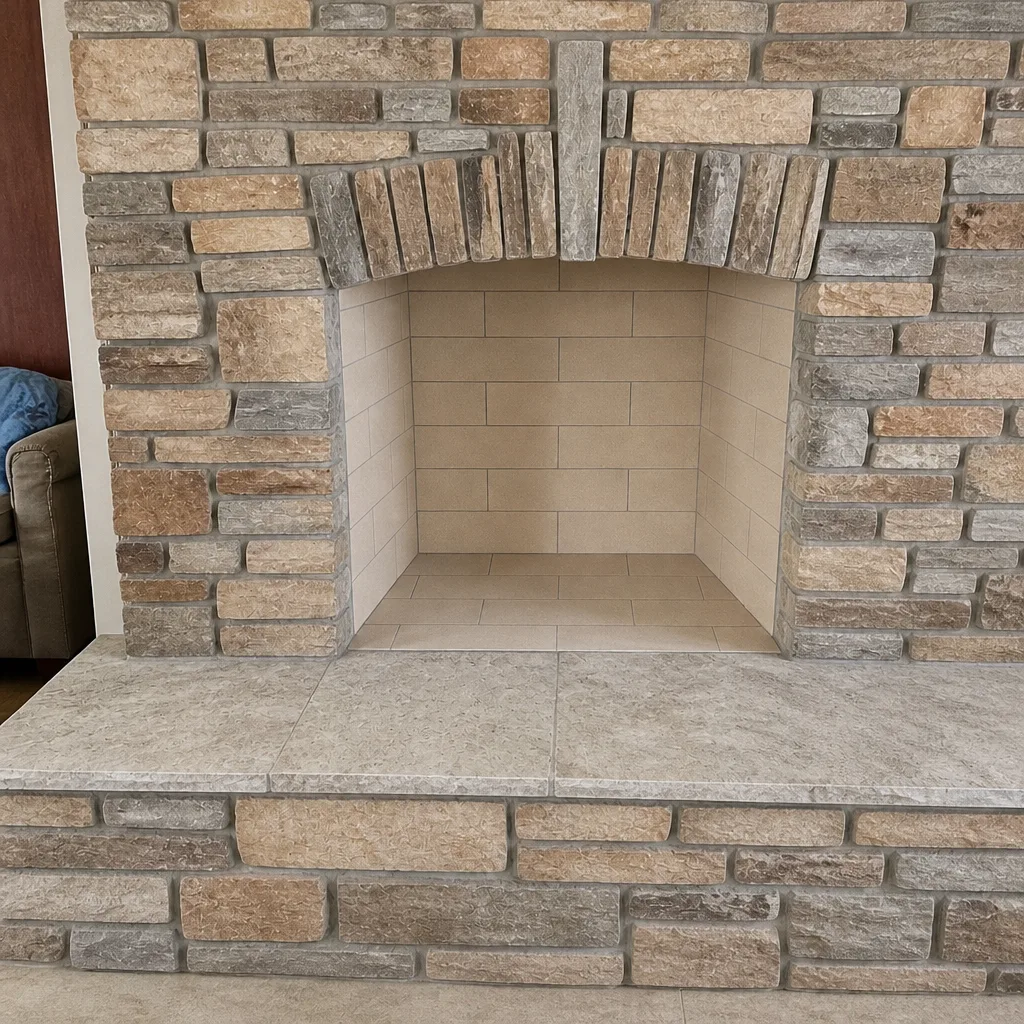
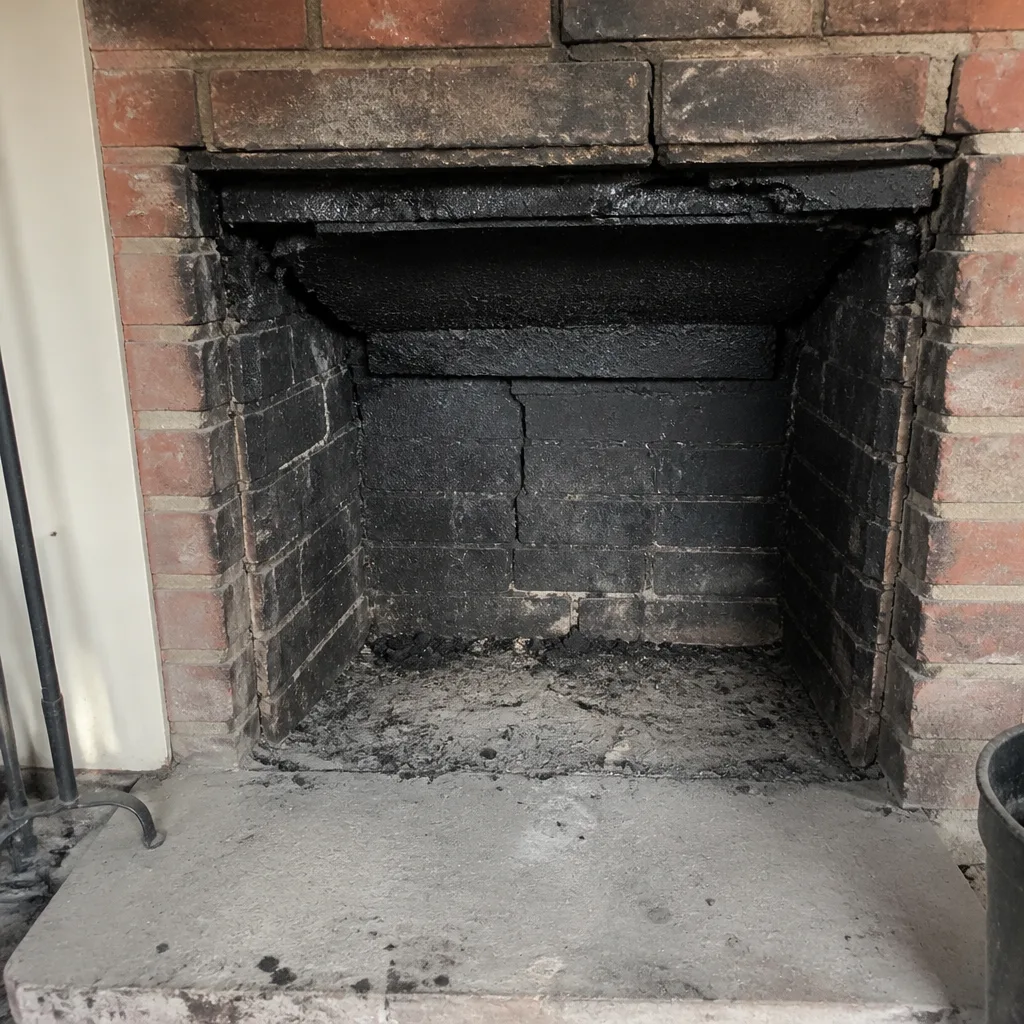
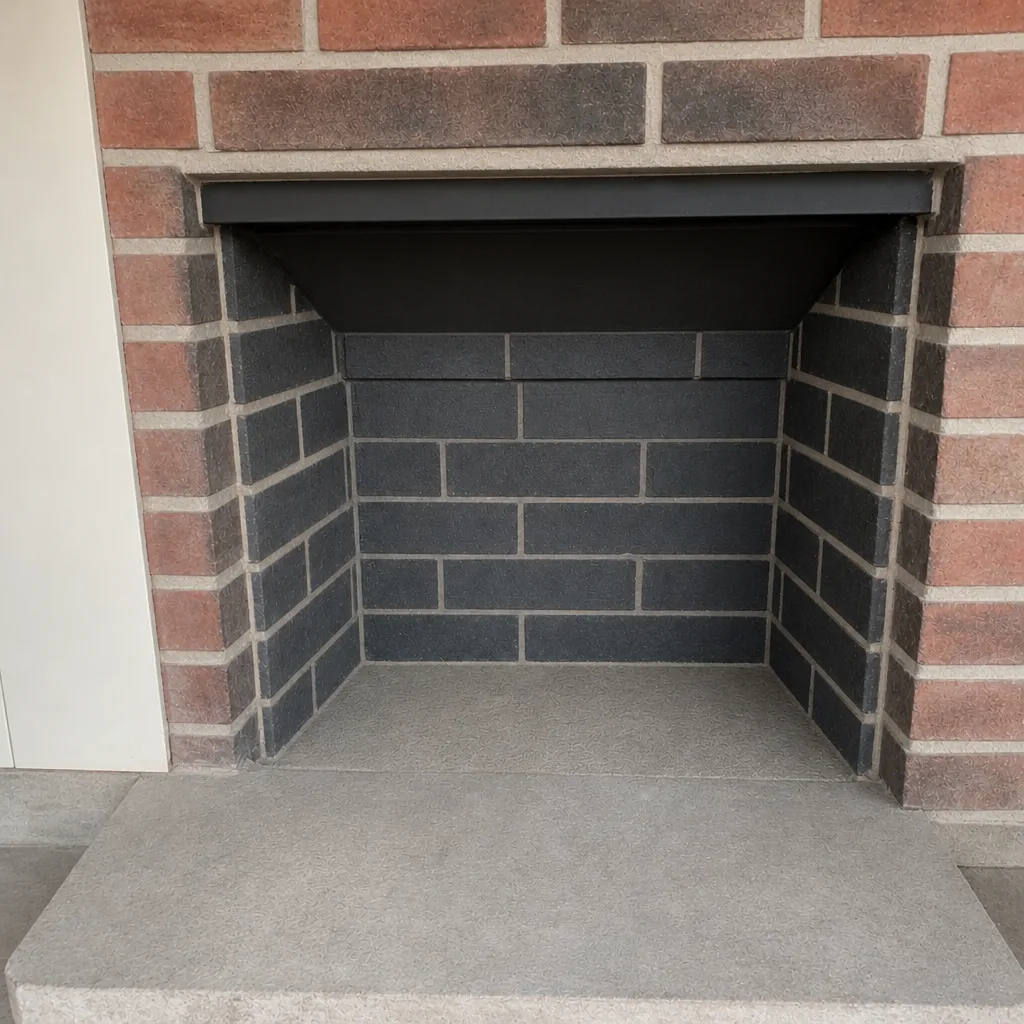
See the difference
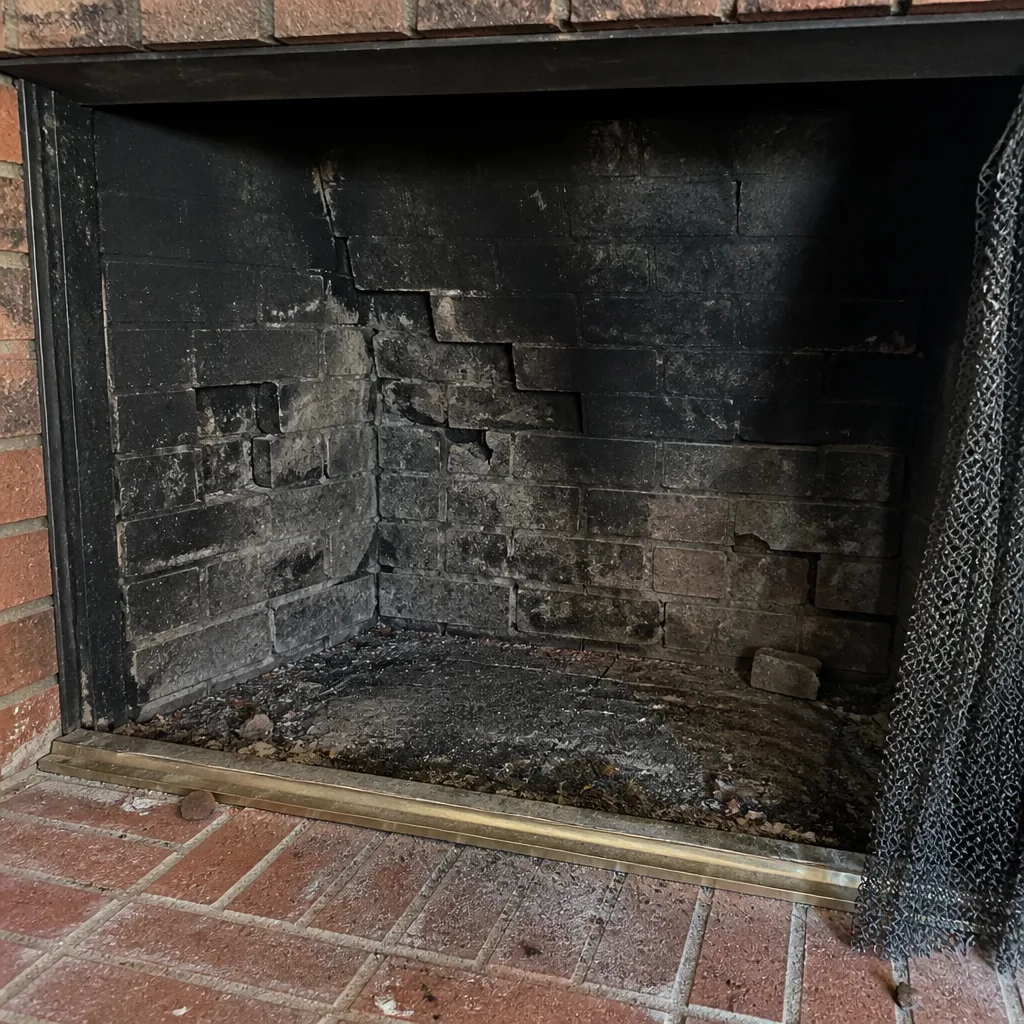 Before
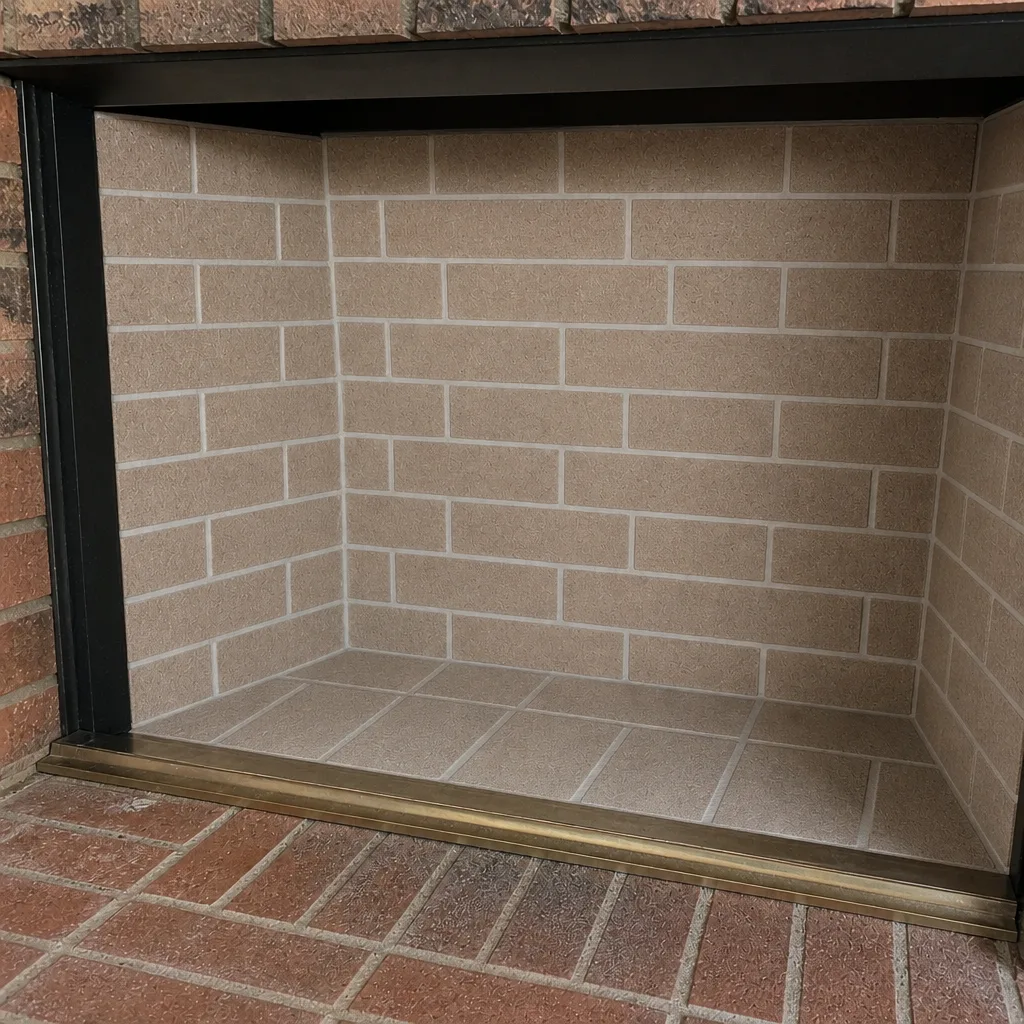 After
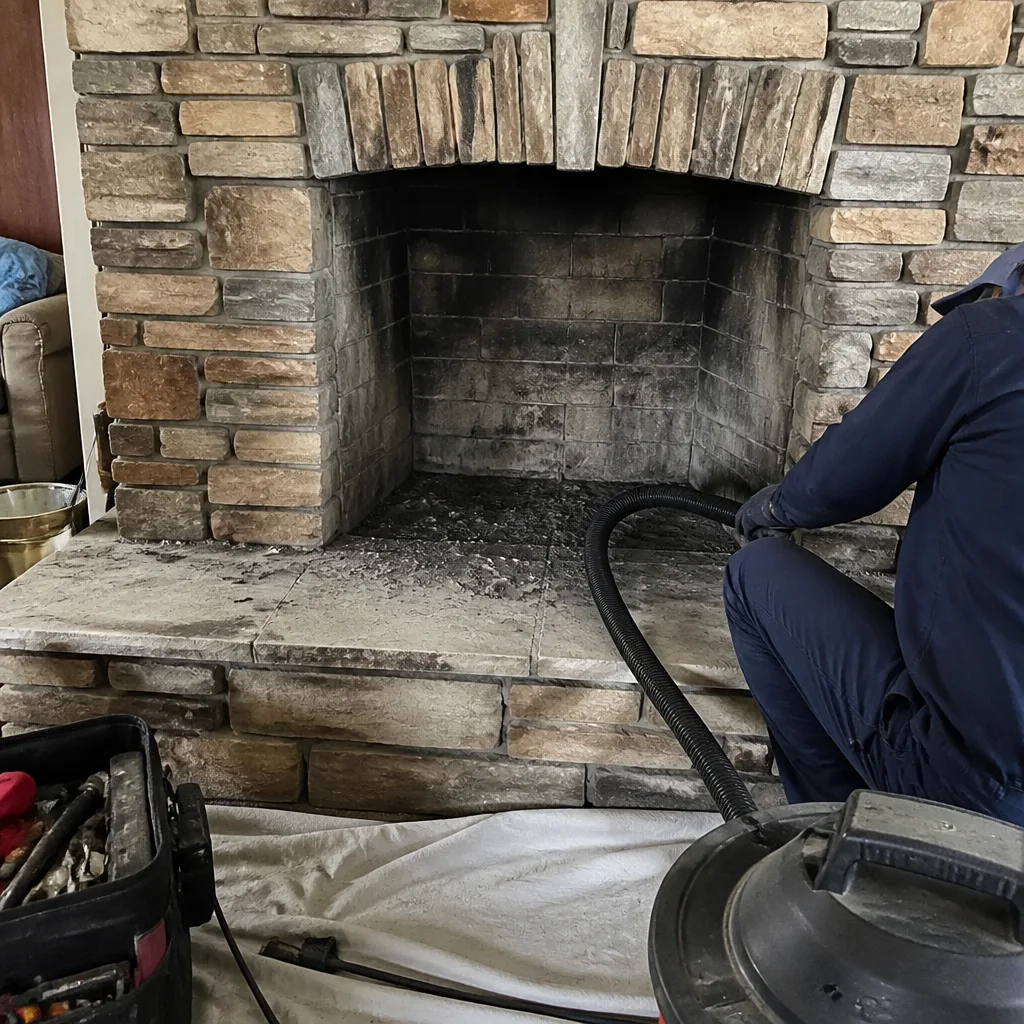 Before
 After
 Before
 After
When to Call a Professional
Some chimney situations call for a professional without delay. If you’ve had a chimney fire, even a small one, call for a Level 2 inspection before you use the fireplace again. If you smell smoke in the house when the fireplace isn’t running, or if draft has gotten noticeably worse, stop using the chimney and get it checked. If your dryer is taking longer to dry clothes or the vent feels hot, that’s a sign to have the vent cleaned. And if it’s been a season or more since your last sweep, book one before the next heating season starts.
The consequence of skipping maintenance is real: creosote buildup is the fuel for chimney fires, and a blocked or damaged flue can let carbon monoxide into the home. That’s why we treat the inspection as the point of the visit, not an add-on. Whitman Chimney Cleaning offers free estimates in Spring Valley. Call (888) 344-4211. We answer 24/7. Fast dispatch from 7am to 7pm, Sunday through Friday.
Frequently Asked Questions
Chimney sweep pricing in Spring Valley depends on the flue, the appliance, and whether a Level 2 camera inspection is included, so there’s no single number. The written estimate sets the final price, and we hand it over before any work is booked. Call (888) 344-4211 for an exact quote, estimates are free. We answer 24/7, with fast dispatch from 7am to 7pm, Sunday through Friday.
Only if the inspection shows your flue is damaged, improperly sized, or unlined, and you can see that evidence on camera. A liner is not a routine recommendation. When a flue tile is cracked or the mortar is deteriorating, HeatShield resurfacing can sometimes restore it without a full reline, which is why the brand question matters. If a contractor recommends a new liner without showing you the footage, ask for it before you agree to anything.
For a wood-burning fireplace that gets regular use, an annual sweep and inspection is the standard, and it’s the right rhythm for most Spring Valley homes given how the heating season compresses here. Gas inserts need less frequent sweeping but still need an annual inspection. If you burn frequently or notice creosote buildup, don’t wait the full year. Call (888) 344-4211 and we’ll book a sweep.
Creosote builds up in the flue, and creosote is what fuels a chimney fire. A blocked or damaged flue can also let carbon monoxide back into the home. Skipping a sweep doesn’t create an immediate problem, but it removes the inspection that would catch one. Book a sweep before the next heating season and you’ll know where the flue stands. Call (888) 344-4211 for a free estimate.
CSIA certification is not a legal requirement in Nevada, but it’s the credential to look for anyway. It means the sweep has been tested against a national standard for inspection and sweeping practice. NFI certification is the equivalent credential for gas and wood hearth appliances. Ask any contractor in Spring Valley which certifications they hold, and confirm who on the team holds them.
Yes, and it’s worth doing in one appointment. Dryer vent cleaning addresses a hazard the NFPA identifies as responsible for thousands of U.S. residential fires each year, and combining it with a chimney sweep resolves two of the leading household fire hazards in a single visit. Ask for both when you book. Call (888) 344-4211 to schedule.
The Bottom Line
Hiring a chimney contractor in Spring Valley comes down to a handful of specific questions. Verify the certification. Ask what inspection level is included. Ask what brand of liner and cap they install and why. Confirm they know NRS 477 and can handle permitting when a repair requires it. Insist on a written estimate with the scope itemized, and expect camera evidence for any repair recommendation. The contractor who answers all of that cleanly is the one worth hiring. The contractor who dodges, or who can’t name a single brand, is telling you what you need to know. We’ve built our operation around those answers, and we’re happy to be asked.
Ready to book? Call (888) 344-4211 for a free estimate. We answer 24/7, with fast dispatch from 7am to 7pm, Sunday through Friday.
Learn more about Whitman Chimney Cleaning and how we approach every visit.
Written by the team at Whitman Chimney Cleaning.