
Last updated November 15, 2026
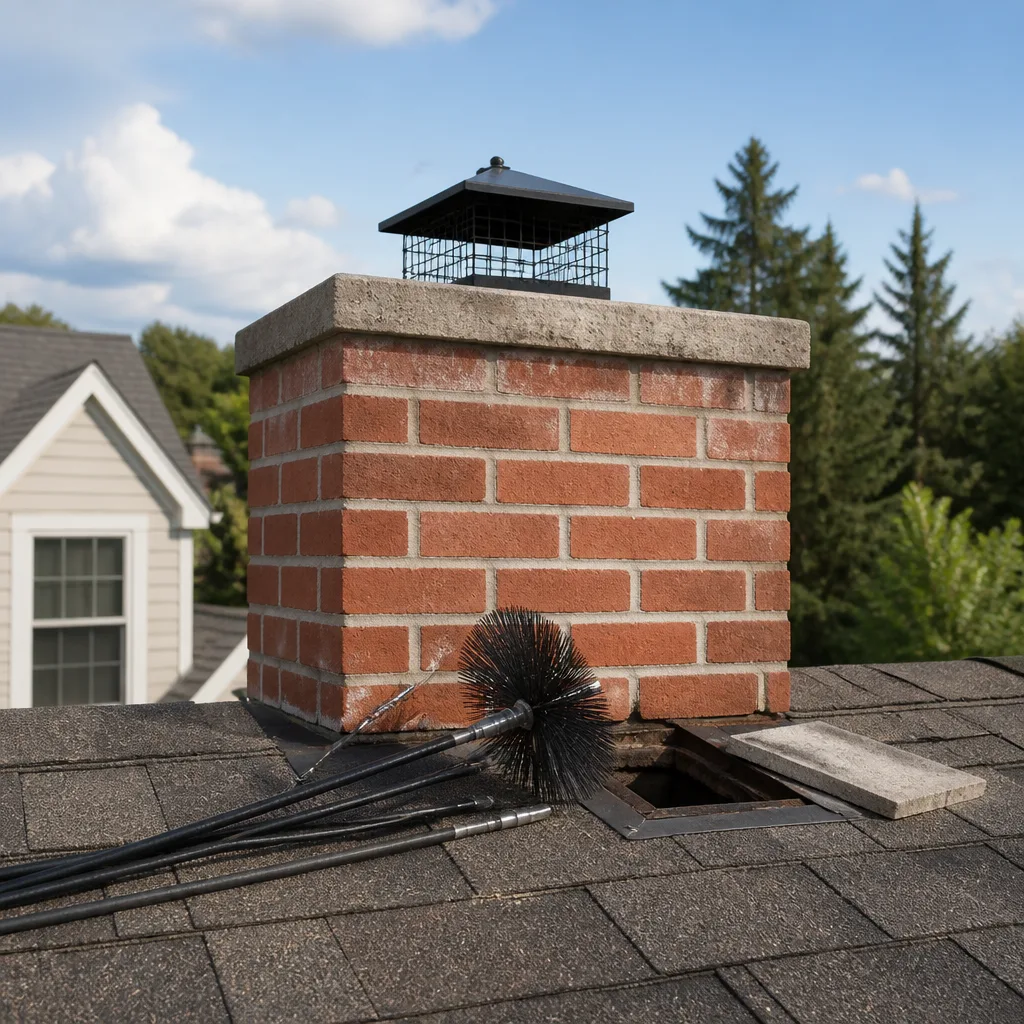 Sweep & inspection
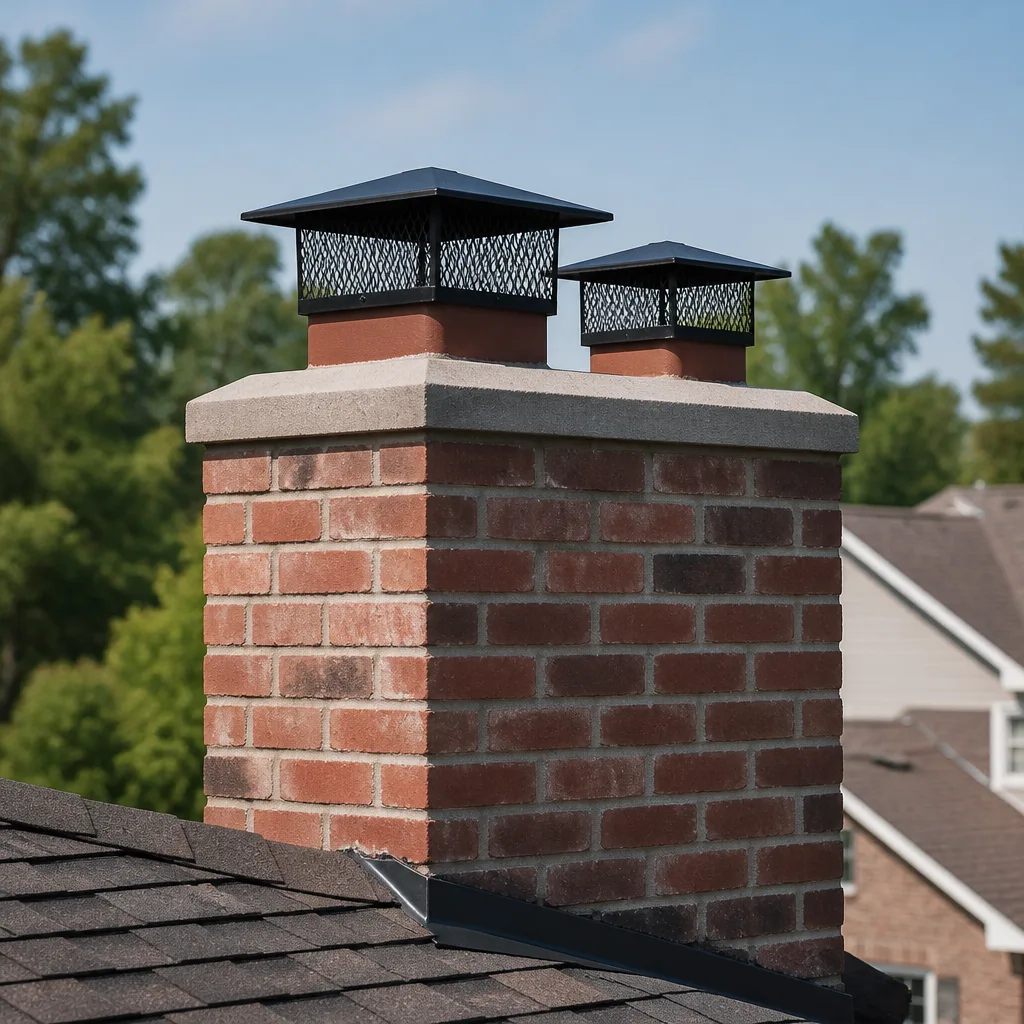 Caps & crowns
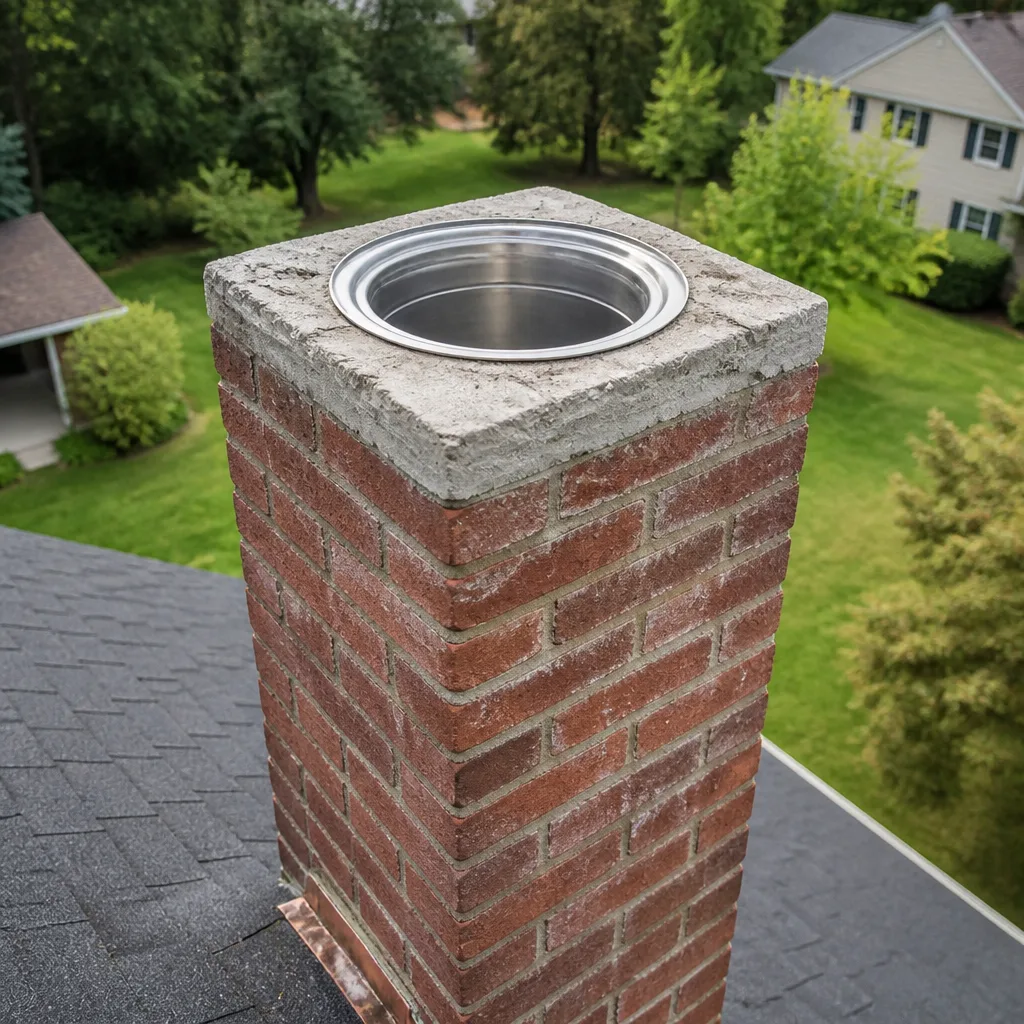 Flue relining
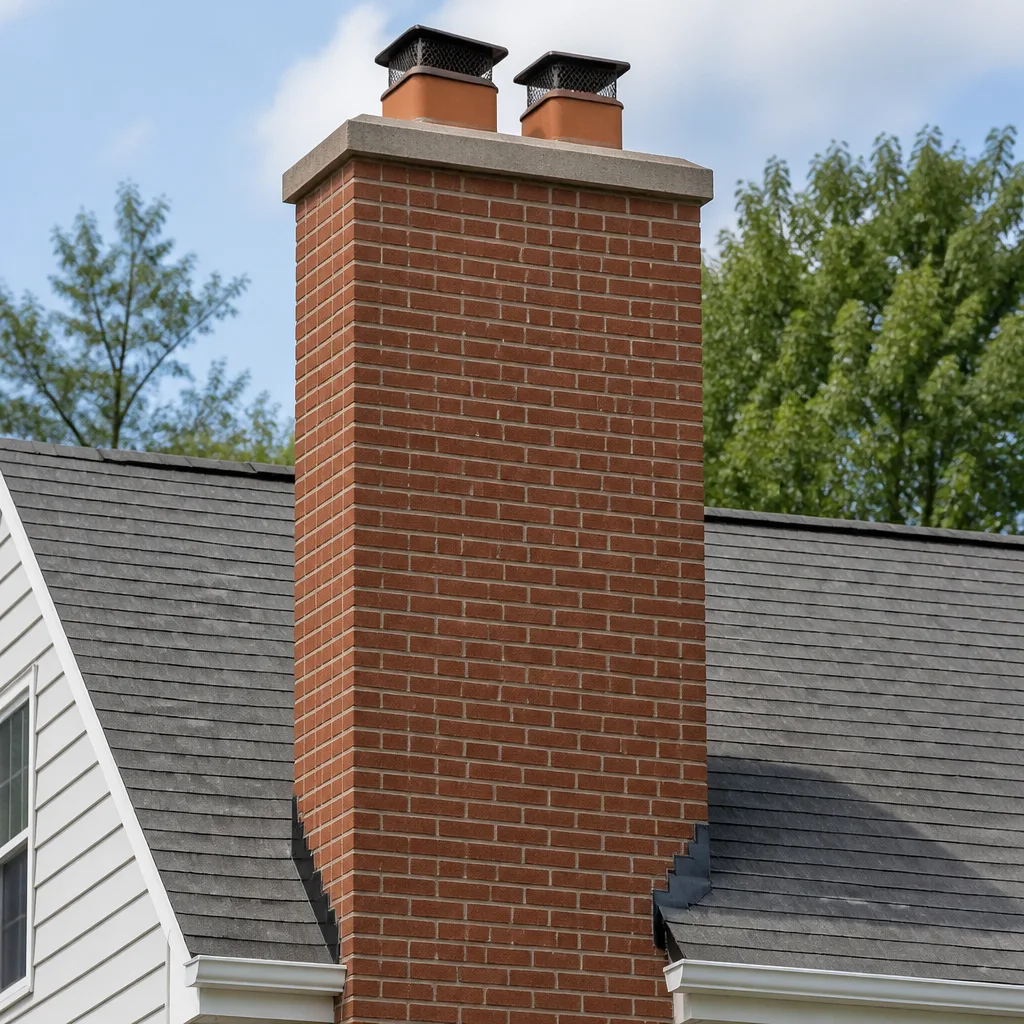 Masonry repair
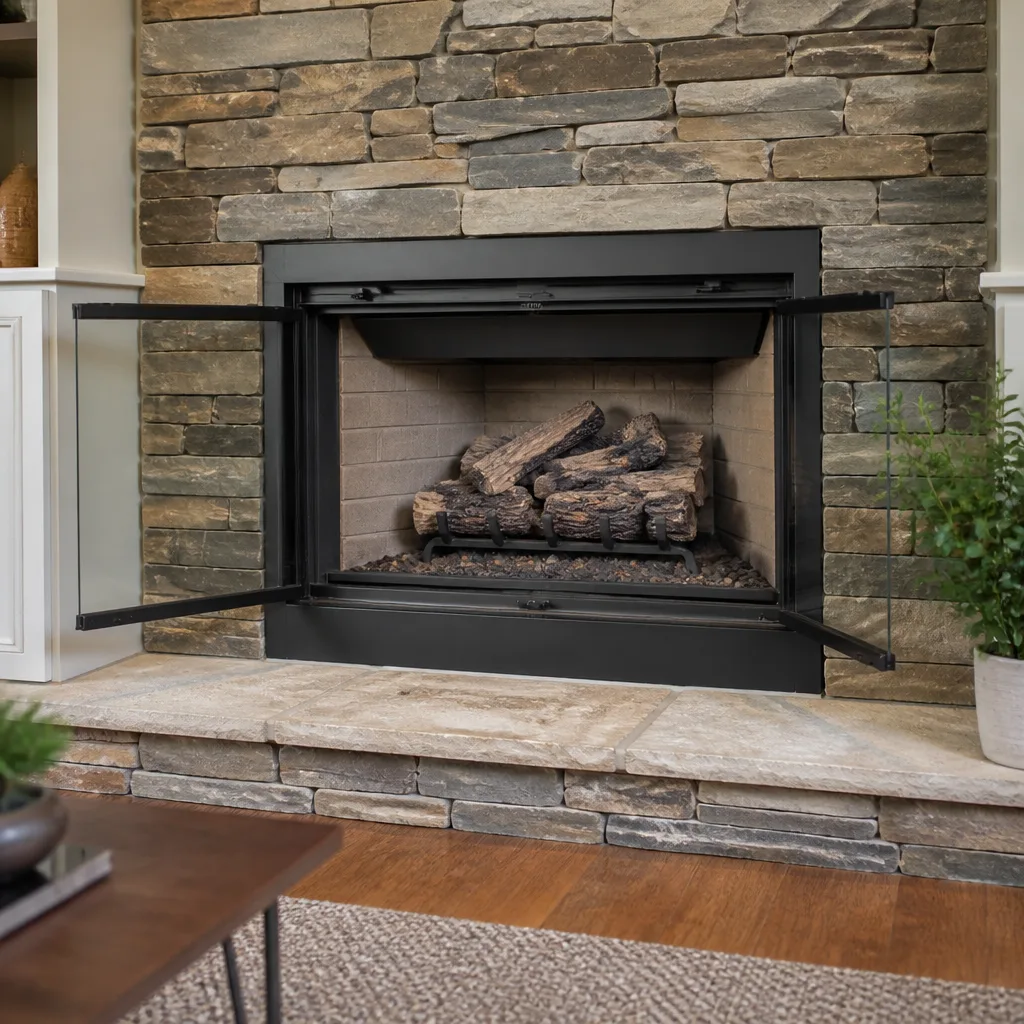 Gas fireplace service
Level 1 sweep and inspection to the NFPA 211 annual standard - flue, crown, cap, and flashing checked and photographed
Chimney sweep logs do not sweep chimneys. They loosen some creosote - which then falls where a brush and vacuum still have to collect it.
Seasonal Chimney Cleaning Care for Spring Valley: Year-Round Homeowner’s Guide
The standard advice says to get your chimney cleaned before winter. In Spring Valley, that advice is already late. By the time November arrives, the summer heat has spent months working on your crown and mortar joints, the monsoon has pushed moisture into cracks you can’t see from the ground, and the good service slots are booked out. Our burn window here is short – roughly 90 days of real fireplace weather – but the care calendar that protects a chimney runs all twelve months. This guide lays out a month-by-month plan built around the Spring Valley climate, not a four-season model copied from colder parts of the country.
Quick Answer
Chimney care in Spring Valley runs on a spring-to-fall cycle, not a fall-only one: inspect and repair after the burn season ends in spring, watch for monsoon moisture damage in July and August, and book your sweep in September rather than November so the flue is clean and any repairs are finished before the first fire. Year-round tasks like cap inspection, animal intrusion checks, and dryer vent cleaning fill the months in between. Waiting until the weather turns cold means competing for appointments and losing the prep time your chimney needs.
Styles & brands we work with
- Sweep & inspection
- Caps & crowns
- Flue relining
- Masonry repair
- Gas fireplace service
Table of Contents
- Why Spring Valley’s Chimney Calendar Doesn’t Match the Textbook
- The Month-by-Month Spring Valley Chimney Calendar
- Why September Beats November for Your Sweep
- What Summer Heat Does to Flue Tile and Mortar
- Monsoon Moisture: What July and August Leave Behind
- Off-Season Tasks: Caps, Animals, and Dryer Vents
- How the Right Materials Change a Repair
- Common Mistakes to Avoid
- When to Call a Professional
Why Spring Valley’s Chimney Calendar Doesn’t Match the Textbook
Most chimney care advice is written for places with long, hard winters and wet springs. A homeowner in Colorado or Tennessee gets a natural rhythm: burn through the cold months, clean up in spring, and let the mild summer do no harm. Spring Valley doesn’t work that way. Our summers are punishing, our winters are mild, and most of our annual moisture arrives in a concentrated burst during the monsoon.
That changes what a chimney is actually up against. The biggest threat to a Spring Valley flue isn’t the fire in December. It’s the heat in July, the water in August, and the swing between the two. Masonry expands in the sun and cools at night, and it does that across hundreds of cycles every summer. The mortar joints between flue tiles take the strain, because they’re the softest part of the assembly. Add a monsoon soaking into a hairline crack, then another summer of heat, and the joint starts to fail.
Our technicians have up to 14 years of experience, and the pattern we see in Spring Valley homes is consistent: chimneys that get a spring inspection and a September sweep hold up far better than ones that only get attention when the fireplace is lit. The architecture of the calendar matters as much as the work itself.
One more local factor: the burn window. Most Spring Valley households use their fireplace from roughly November through February, and some barely at all. That short season means less creosote builds up per year than in a cold-climate home, but it also means problems sit unnoticed for nine months. A flue that sees forty fires a year still needs a proper annual look.
The Month-by-Month Spring Valley Chimney Calendar
Here’s the sequence we recommend for a Spring Valley home with a wood-burning fireplace or gas insert. It’s built around our actual weather pattern: hot dry summers, monsoon moisture in mid-summer, mild winters, and a short burn window.
- January and February – burn season. Use the fireplace as normal. Glance up at the cap after windy days and check that the damper opens and closes cleanly. If smoke rolls into the room instead of up the flue, stop using it and get it looked at.
- March and April – post-season inspection. Once the last fire is out, get the chimney inspected. This is when you catch what the burn season did: creosote deposits, cracked tile, a crown that took frost damage, or a damper that’s sticking.
- May and June – repair window. If the inspection turned up anything structural, this is the time to fix it. Mild, dry weather is ideal for liner work and crown repair, and the job is finished long before fall.
- July and August – monsoon watch. After the first big rain, check for water stains on the ceiling or firebox walls, rust on the damper, or a musty smell. Moisture intrusion left unaddressed compounds every season.
- September – sweep and pre-burn prep. Get the chimney swept and any minor repairs finished. This is the optimal month in the Las Vegas Valley, and we’ll explain why below.
- October – final readiness check. Confirm the cap is secure, the flue is clear, and there’s no animal nesting. Do a small test fire on a cool evening before you actually need the heat.
- November and December – first fires. Enjoy the season. Keep an eye out for smoke backdraft and any new smells.
Each block has a purpose built around Spring Valley weather. Skip one, and the next season inherits the problem.
Why September Beats November for Your Sweep
September is the best month in Spring Valley for a chimney sweep. That’s earlier than the standard advice, and it’s deliberate. November is when most homeowners think about the fireplace, which means November is when everyone calls. The result is a congested schedule and a rush to fit everyone in before the holidays.
Booking in September gets you three advantages:
- Availability. The late-summer schedule is wide open. You pick the date that works for you rather than taking whatever slot is left.
- Prep time. If the sweep turns up a cracked tile or a failing joint, there’s still time to schedule the repair in October and have it done before the first fire. A November sweep that finds a problem can leave you waiting or burning in a compromised flue.
- Dry weather. September in Spring Valley is reliably dry, which matters if any repair work needs to be done after the sweep. Liner and crown work go smoother in dry conditions.
The same logic applies to dryer vent cleaning. Getting it done before the holidays saves you from the busiest stretch of the year and addresses a hazard the NFPA identifies as responsible for thousands of U.S. residential fires each year. One visit, two fire hazards handled.
If your home hasn’t been swept in over a year, or you’ve moved in recently and don’t know the history, September is also the best time to establish a baseline. A camera inspection and a photo report show you exactly what’s in the flue, and you can plan from there.
What Summer Heat Does to Flue Tile and Mortar
Spring Valley summer heat is relentless, and the damage it does to a chimney happens out of sight. Attic temperatures regularly exceed 150°F here, and the top of a chimney can be even hotter. That heat works on the flue tile and the mortar joints that hold the tiles together.
Here’s the mechanism. Masonry and mortar expand as they heat and contract as they cool. The mortar between flue tiles is softer and more porous than the tiles themselves, so it takes the stress. Across one summer, that’s hundreds of cycles. Across five or six seasons, the joints start to crack and separate. Once a joint opens, it becomes a path for hot gases and moisture to get behind the tiles.
What we look for after a few summers:
- Hairline cracks running vertically along flue tiles
- Mortar joints that have started to crumble or recede between tiles
- Spalling on tile faces – small flakes and chips that mean the tile surface is breaking down
- A white, powdery bloom on the tile, which usually points to moisture reacting with salts in the masonry
- Visible gaps when we run a camera down the flue
Gaps matter because they lead to hot combustion gases, including carbon monoxide, getting into the structure of the house rather than up and out. They also weaken the flue’s ability to contain a chimney fire if one starts. This is one of the strongest arguments for the spring-to-fall care cycle in Spring Valley: repair work done in May or June closes those joints before the heat has a chance to widen them further.
The good news is that not every cracked joint means a full reline. HeatShield liner resurfacing can restore a deteriorating flue without tearing out the tile work, which is a repair path most sweep-only outfits simply can’t offer. We’ll come back to that.
Monsoon Moisture: What July and August Leave Behind
Spring Valley gets most of its annual moisture in a concentrated burst during the July and August monsoon. It’s different from rain-climate water damage, where months of drizzle slowly work into masonry. Here, a dry, sun-baked chimney gets a sudden dumping of water over a few weeks. The masonry doesn’t have time to gently absorb it – the water finds every crack and gap on the first real rain.
The two most common places moisture gets in:
- A failing crown. The crown is the concrete cap on top of the chimney. When it cracks, water runs straight down into the chimney structure around the flue tiles.
- A missing or damaged cap. The chimney cap keeps rain out of the flue itself. When it’s gone, rusted out, or pulled loose by wind, the flue becomes a rain barrel.
What to look for after the first big monsoon:
- Water stains on the ceiling or drips near the chimney
- Rust on the damper or firebox components, which points to moisture sitting inside the flue
- A musty smell in the firebox or the room where the chimney runs
- Crumbling material in the firebox – water finding its way into the masonry
- Efflorescence (white staining) on the exterior brick
Any of these warrant an inspection. Moisten masonry over a summer or two and the freeze-thaw cycle of winter can split brick and mortar. Catching a cracked crown or a loose cap in August is cheap. Fixing what follows is not. If you’re not sure what you’re looking at, get a professional on the roof with a camera. Call (888) 344-4211 – estimates are free.
Off-Season Tasks: Caps, Animals, and Dryer Vents
The months when the fireplace is cold are the best time for the tasks that don’t get done during burn season. Three stand out in Spring Valley.
Chimney cap inspection. A cap is the simplest protection a chimney has. It keeps rain out, keeps sparks in, and keeps animals from moving in. Check it once in spring and once after monsoon season. Look for rust, missing screws, a bent or loose top, and gaps where the cap meets the flue. When it needs replacing, we fit vent covers and caps from Gelco and Famco product lines, matched to the flue size and appropriate for the home.
Animal intrusion checks. Spring Valley’s surrounding open desert means birds, squirrels, and other animals look for sheltered spots. A chimney without a cap is prime real estate. Signs of a nest include scratching sounds, a smell in the firebox, twigs or debris on the smoke shelf, and chimney drafts that pull poorly. Never light a fire in a flue that might hold a nest. Get it cleared and inspected first.
Dryer vent cleaning. This one is often treated as a once-in-a-while chore. It shouldn’t be. Lint builds up in the vent line year-round, and every load of laundry adds more. Getting it cleaned on the same visit as a spring or fall sweep handles two of the leading household fire hazards in a single appointment. It also keeps the dryer running more efficiently, which is a small but real relief during a Spring Valley summer.
Each of these tasks fits naturally into the off-season months. None of them require the fireplace to be cold, but all of them are easier when it is.
How the Right Materials Change a Repair
When a Spring Valley chimney needs repair, the outcome depends heavily on the materials. A generic cap or a one-size-fits-all liner can work for a while, but a flue that’s seen several summers of 150°F-plus heat and a monsoon season wants materials chosen for the specific job.
We work with an intentional portfolio of professional-grade brands so the technician can match the system to the flue rather than forcing every chimney into the same solution. The names you’re likely to see quoted on your estimate:
- HeatShield for flue resurfacing. It’s designed to repair deteriorated mortar and tile without full relining tear-out. When a camera inspection shows joints opening but the tile itself is largely intact, HeatShield is often the right call. Not all sweep-only providers carry it.
- DuraFlex flexible liner systems when a full reline is the correct answer. It’s an industry benchmark for safe and durable chimney relining, and it’s the system we reach for when a flue has deteriorated beyond what resurfacing can fix.
- Gelco and Famco for cap and vent cover replacements, chosen to fit the flue and appropriate for the home.
- Olympia Chimney and Copperfield round out the portfolio for the right system on the right job.
The reason this matters for a Spring Valley homeowner planning year-round care is repair timing. If your spring inspection turns up a resurfacing need, getting it done in May or June with the right material means the flue is ready before the summer heat stress and monsoon moisture. That decision is easier when the person on your roof can specify the material and complete the repair, rather than handing you off to a separate contractor. We handle the sweep, the repair, and the dryer vent work under one roof, so nothing gets lost between visits.
Common Mistakes to Avoid
- Waiting until November to schedule a sweep. In Spring Valley, this means competing for slots and losing the prep window before the burn season starts. September is the right month to book.
- Skipping the post-season inspection. The burn season is when problems start. The spring inspection is when you catch them before summer heat widens every crack.
- Assuming monsoon season does no damage. A dry-climate chimney can take on a lot of water in a few weeks if the crown or cap is compromised. Check after the first real rain.
- Burning with a missing or damaged cap. It’s an open invitation for animals and rain. Replace it before the burn season, not after the first smoky fire.
- Treating dryer vent cleaning as a once-a-decade chore. Lint builds up every cycle. It belongs on the annual care calendar alongside the chimney sweep.
- Hiring a sweep-only provider for a job that needs repair. A sweep will clean the flue but can’t always fix a failing joint. Ask upfront whether the company can inspect, resurface, and reline.
- Ignoring a small crack until it’s a big one. In our heat, a hairline joint crack in spring is a candidate for resurfacing. By the next spring, it can be a reline.
When to Call a Professional
Some chimney care is routine, and some needs a trained technician. Call us if you see or smell any of the following: smoke rolling back into the room when you light a fire, water stains near the chimney after monsoon rains, a musty smell in the firebox that lingers after it dries out, rust on the damper, visible cracking in the firebox or flue tiles, or any animal activity you can hear or smell. Call before you light the first fire if it’s been over a year since the last sweep, if you’ve recently moved in and don’t know the history, or if a spring inspection flagged a repair you haven’t gotten to yet. A sweep scheduled in good time protects the whole year.
Whitman Chimney Cleaning offers free estimates in Spring Valley. Call (888) 344-4211. We answer 24/7. Fast dispatch from 7am to 7pm, Sunday through Friday.
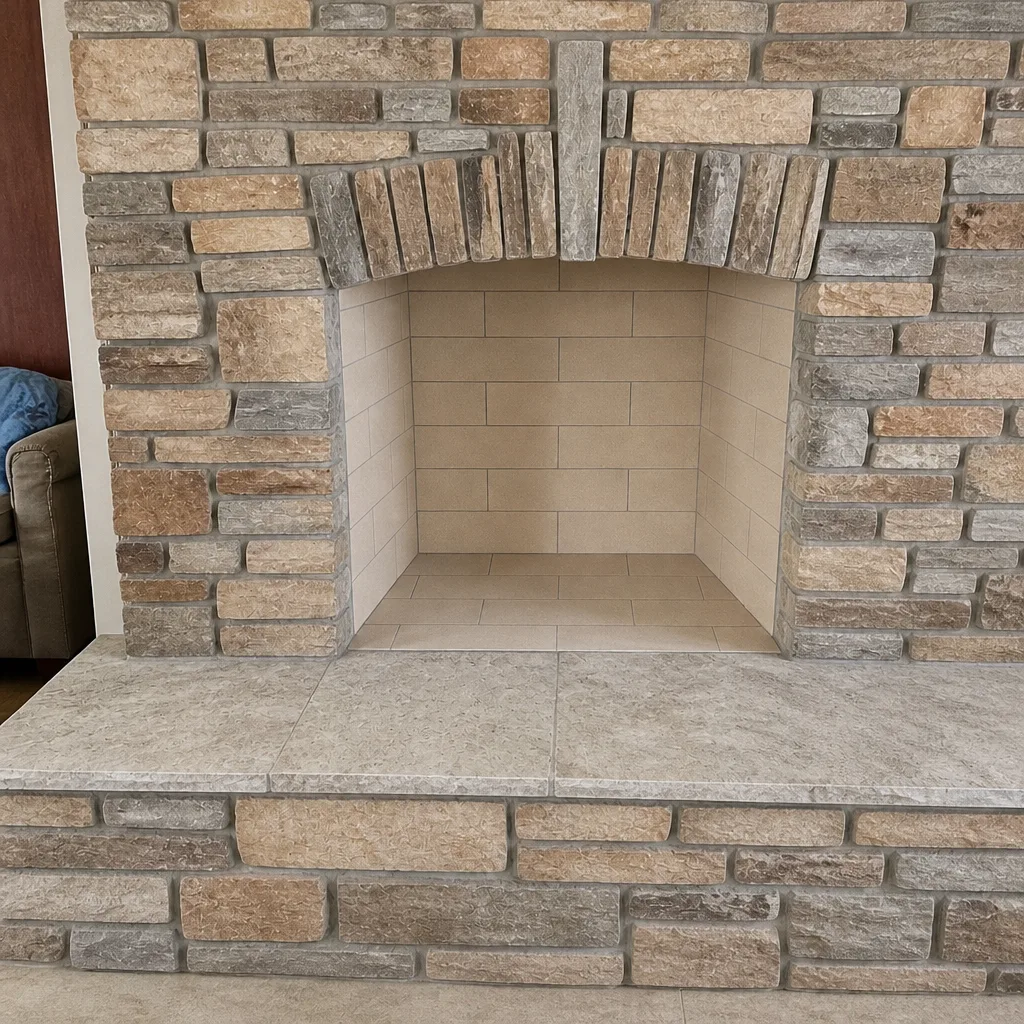
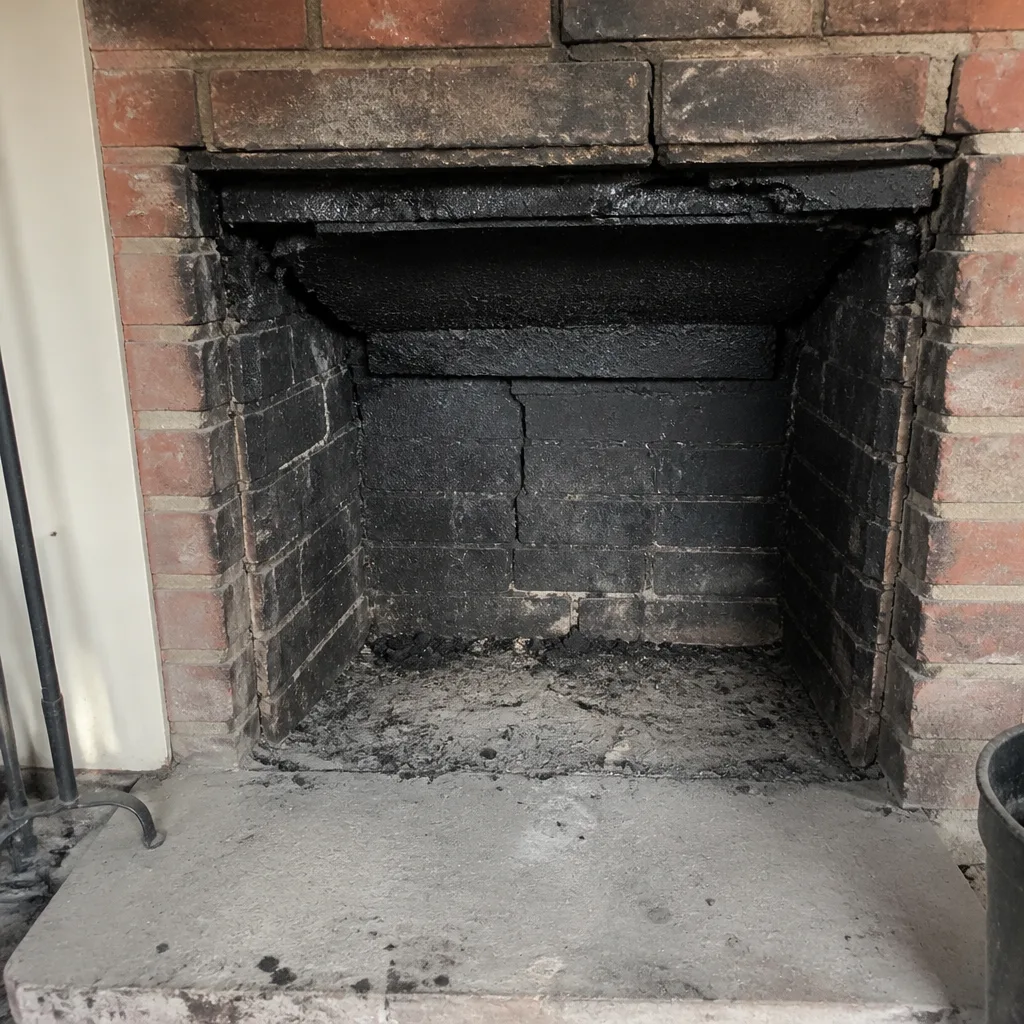
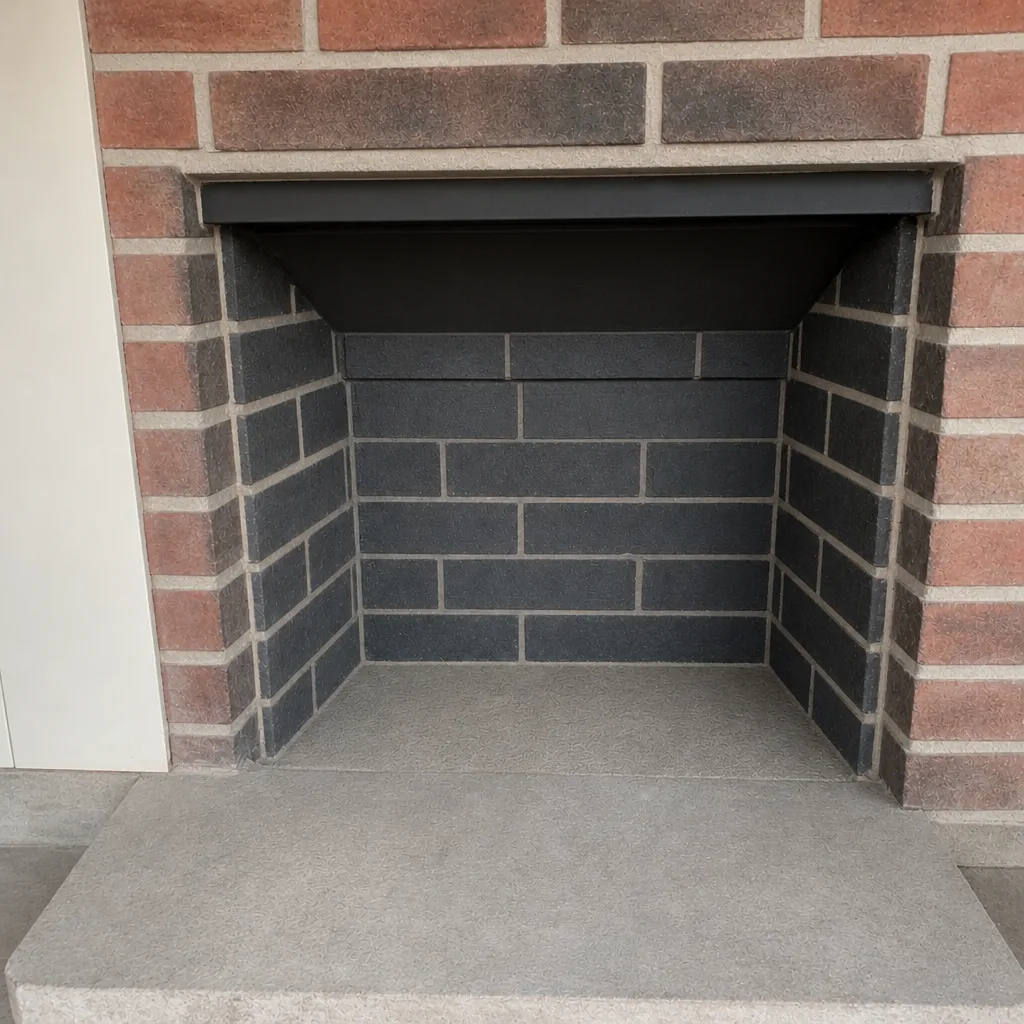
See the difference
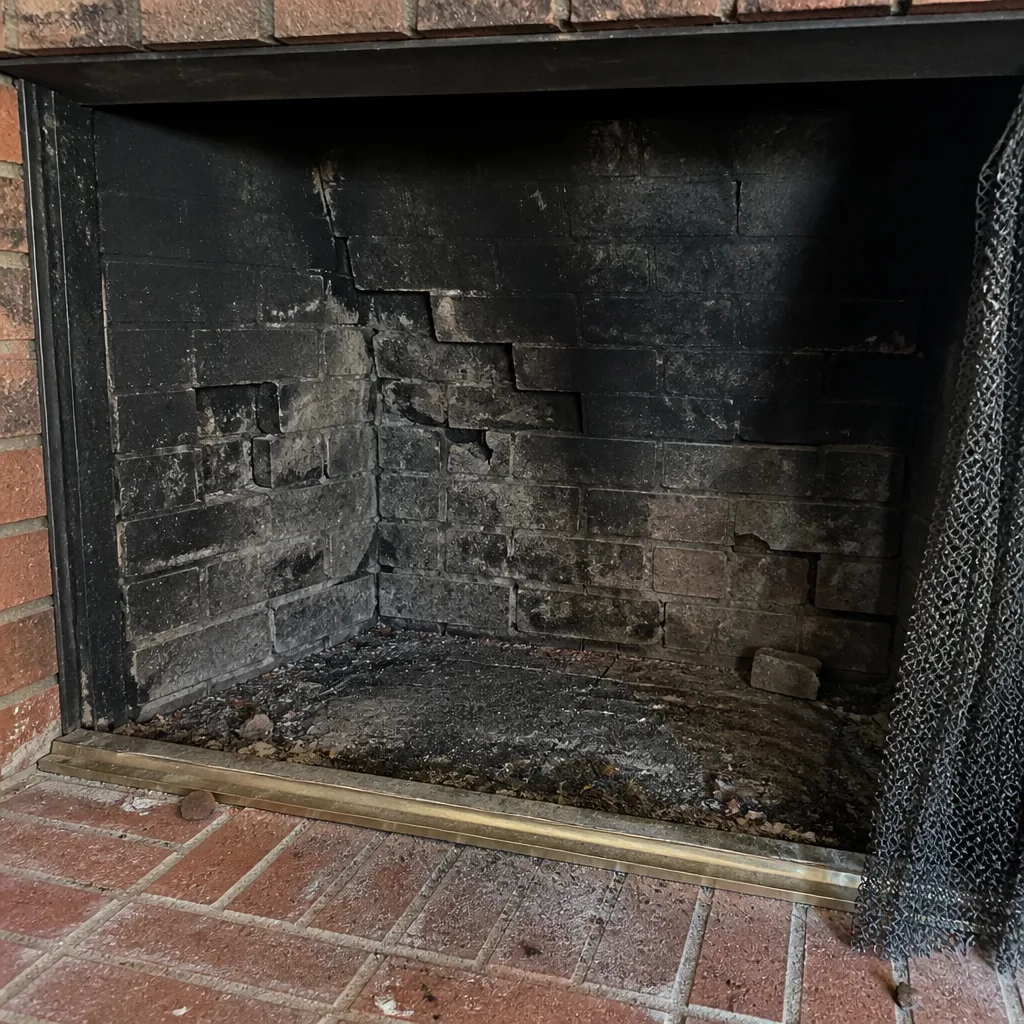 Before
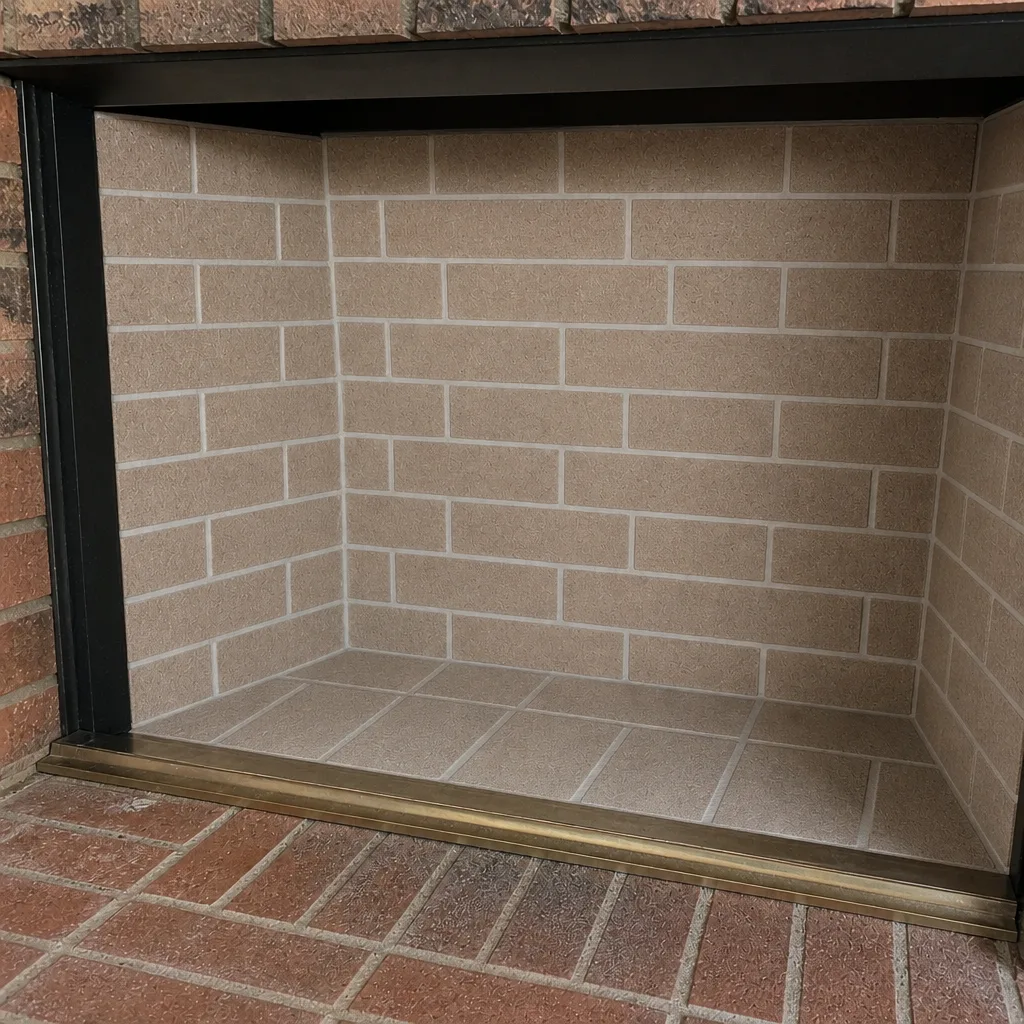 After
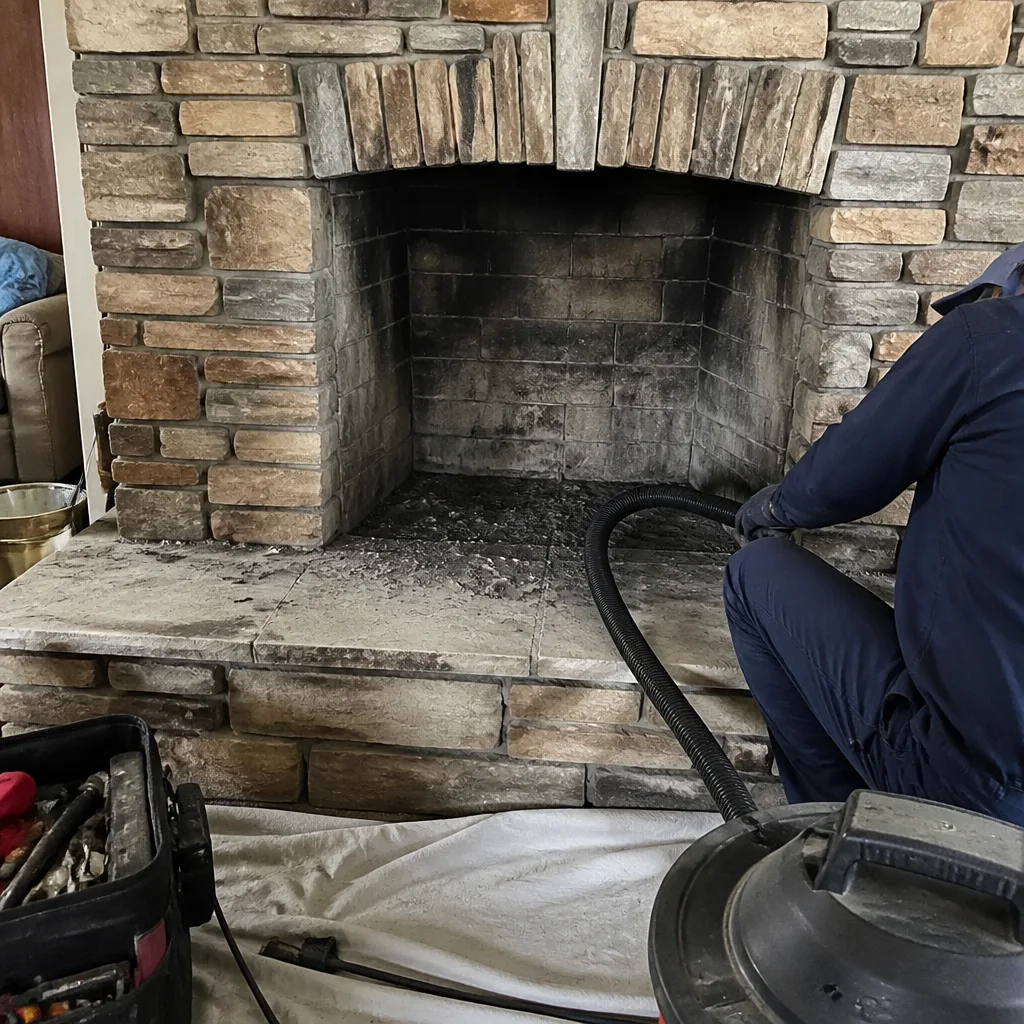 Before
 After
 Before
 After
Frequently Asked Questions
Once a year, typically in September just before the burn season. Spring Valley’s short burn window means less creosote builds up per year than in cold climates, but the annual sweep is still the right baseline because it’s also when a trained technician runs a camera down the flue and checks for heat and moisture damage from the previous summer. Call (888) 344-4211 for a free estimate.
September gives you contractor availability and prep time. The November rush is real, and a November sweep that finds a cracked joint can leave you waiting for repair or burning in a compromised flue. September leaves room to fix anything that turns up before the first fire. Call (888) 344-4211 to book.
Yes, especially when the crown is cracked or the cap is damaged. Spring Valley’s rain arrives in a concentrated burst over July and August, so a dry, sun-baked chimney takes on water fast. Watch for ceiling stains, rust on the damper, a musty smell, and white staining on the exterior brick after the first big rain. Call (888) 344-4211 if you spot any of those.
Attic temperatures in Spring Valley regularly exceed 150°F, and masonry and mortar expand and contract with every heat cycle. The mortar joints between flue tiles take the stress, so they’re the first thing to crack. Once a joint opens, hot gases and moisture find their way behind the tile. Catching cracks in spring often means a resurfacing repair rather than a full reline. Call (888) 344-4211 to schedule an inspection.
It belongs on the same annual care calendar. Dryer vents are a leading household fire hazard, and lint builds up with every load. Booking a dryer vent cleaning alongside a chimney sweep handles two hazards in one appointment. We offer both as standard services. Call (888) 344-4211 for a free estimate.
Get it inspected before you light a fire. A camera inspection and photo report show exactly what’s in the flue, and we can tell you whether a sweep, a repair, or nothing is needed. If it’s been over a year since the last clean, or if you’ve recently moved in, a September appointment is the safest place to start. Call (888) 344-4211.
The Bottom Line
Spring Valley chimney care is a year-round job, not a November errand. Inspect in spring, repair in late spring or early summer, watch for monsoon moisture in July and August, and book your sweep in September so the flue is clean and any repairs are finished before the first fire. Fill the gaps with cap checks, animal intrusion checks, and dryer vent cleaning. Choose a provider who can sweep, inspect, and repair with professional-grade materials like HeatShield and DuraFlex, so a small joint crack doesn’t turn into a full reline next summer. For a chimney or a dryer vent in Spring Valley, chimney sweep and dryer vent cleaning are the two services to schedule this year, and Spring Valley homeowners can reach us at Whitman Chimney Cleaning with the number below.
Call (888) 344-4211 for a free estimate. We answer 24/7. Fast dispatch from 7am to 7pm, Sunday through Friday.
Written by the team at Whitman Chimney Cleaning.