
Last updated November 15, 2026
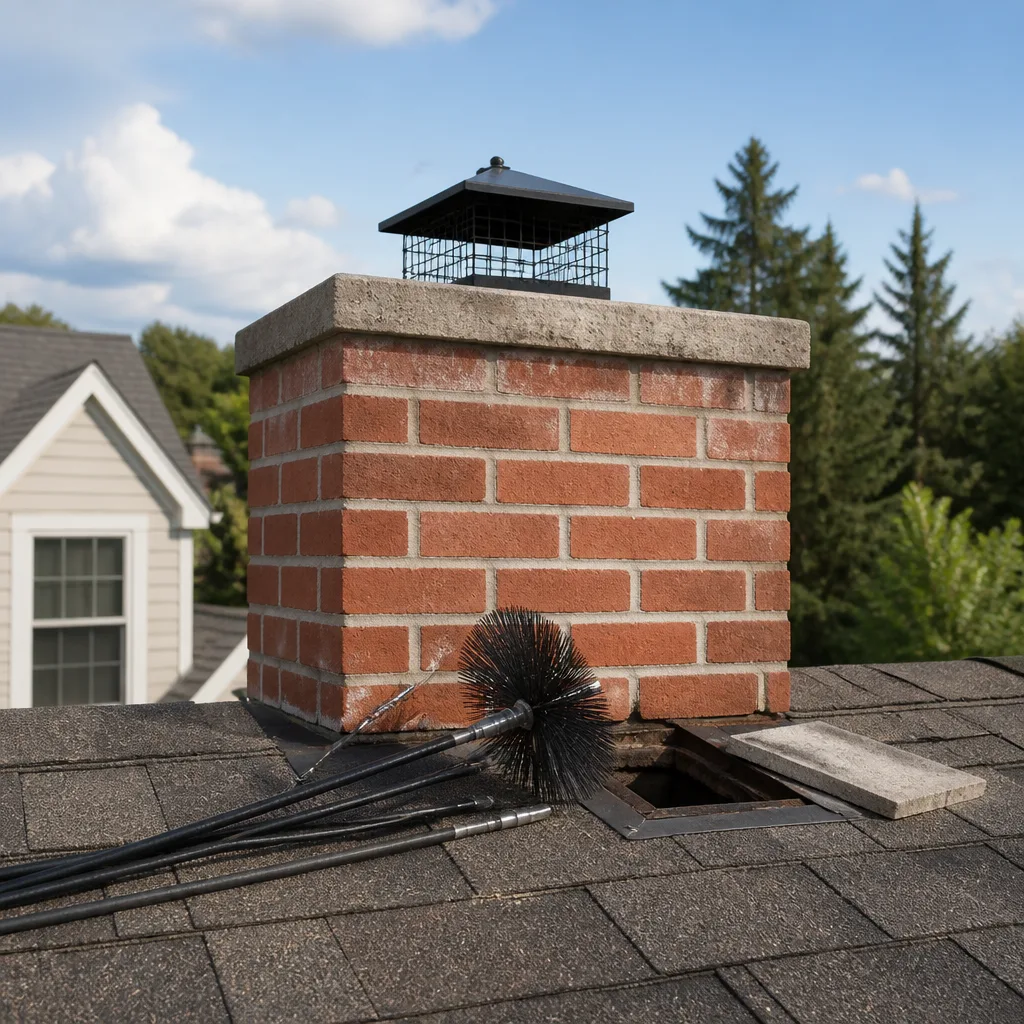 Sweep & inspection
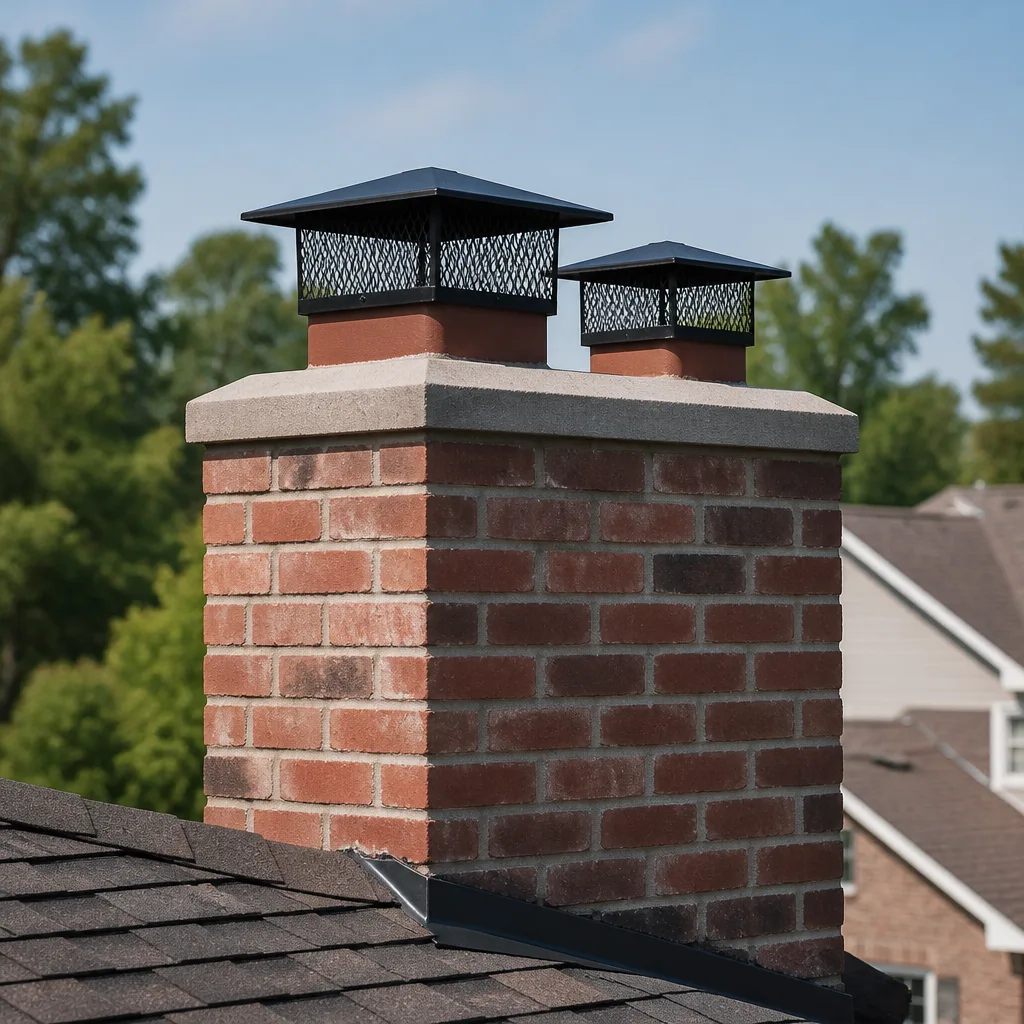 Caps & crowns
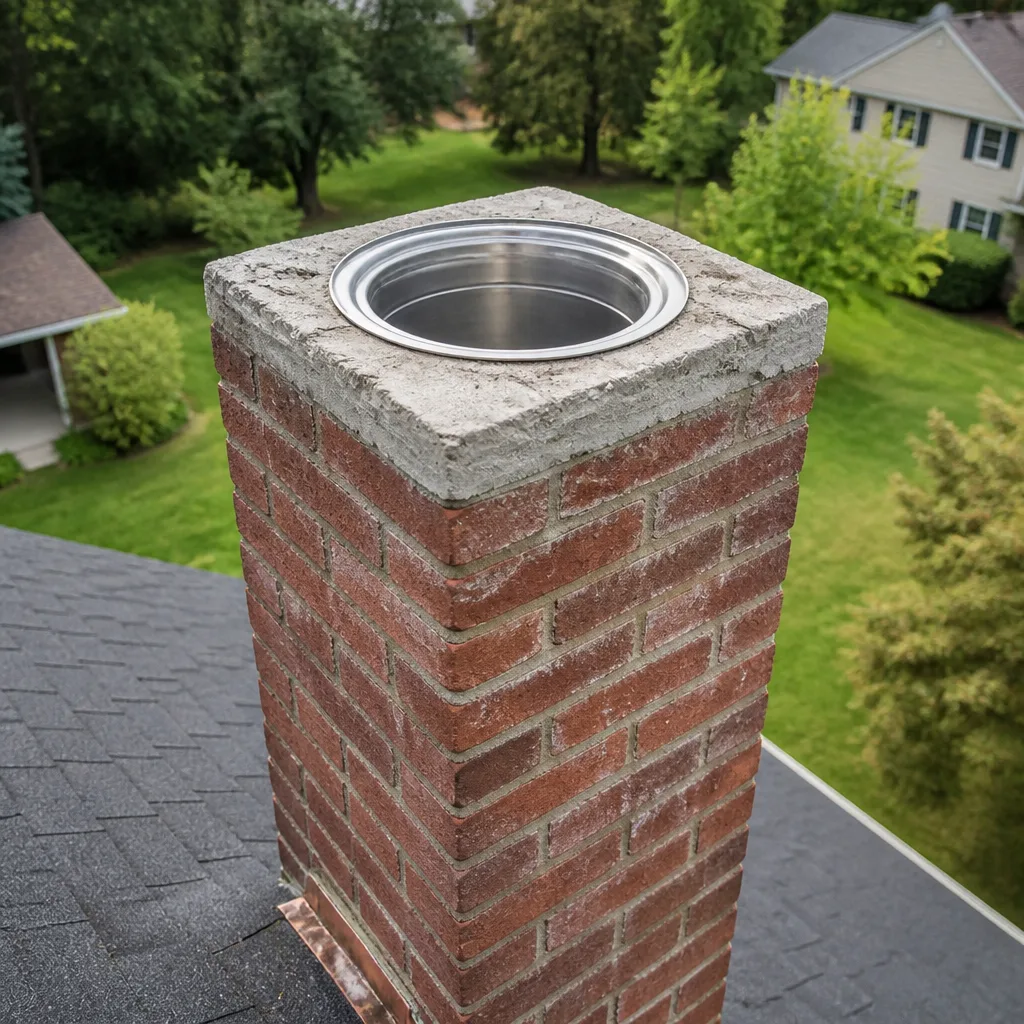 Flue relining
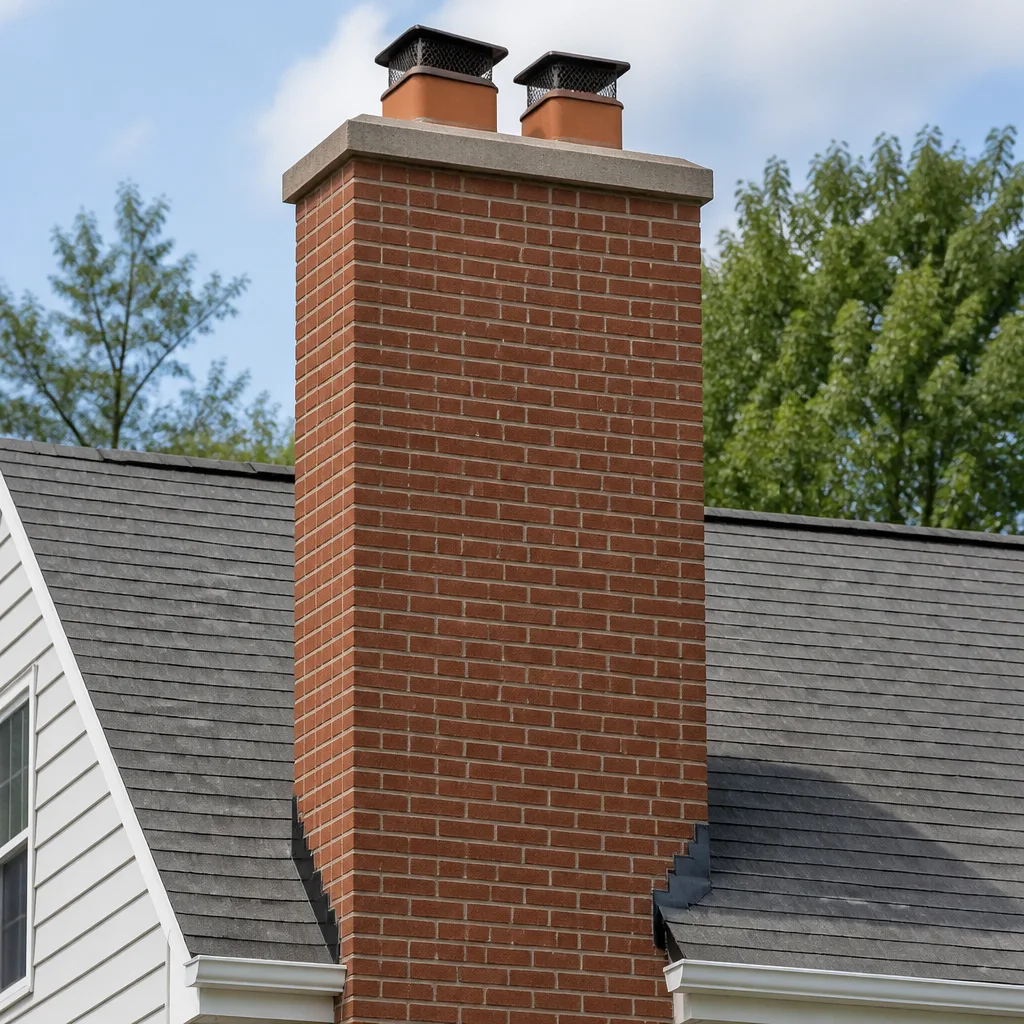 Masonry repair
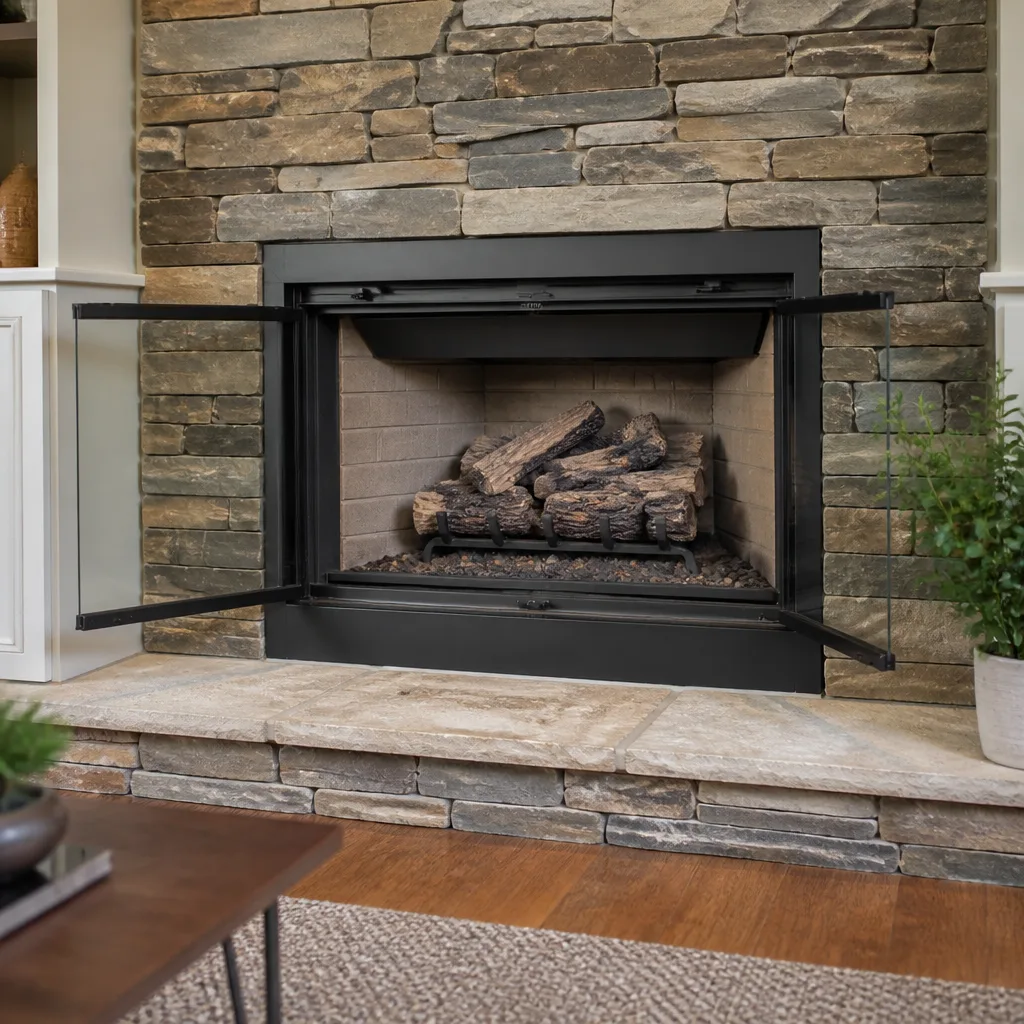 Gas fireplace service
Level 1 sweep and inspection to the NFPA 211 annual standard - flue, crown, cap, and flashing checked and photographed
Chimney sweep logs do not sweep chimneys. They loosen some creosote - which then falls where a brush and vacuum still have to collect it.
Chimney Cleaning Warning Signs: A Spring Valley Homeowner’s Reference Guide
White staining on your chimney’s exterior isn’t cosmetic. It’s efflorescence, and it means water is already moving through your masonry. In Spring Valley’s freeze-thaw winters, that moisture expands inside the brick and tile, and what starts as a stain becomes a liner crack. Most warning-sign guides hand you a list of symptoms and stop there. This one pairs each visible sign with the specific failure it predicts, so you know not just what you’re looking at but what it’s telling you about the flue behind it. We’ll cover exterior clues, smell-based signals, interior checks you can make from the hearth, and how to document everything before a contractor arrives.
Quick Answer
The chimney warning signs that matter most in Spring Valley are: white efflorescence or crumbling brick on the exterior, rust inside the firebox or damper, an acrid or musty smell when the fireplace is cold, smoke spilling back into the room, and a crown that’s cracked or pulling away. Each points to a specific problem – water intrusion, a failing damper, animal intrusion, third-degree creosote, or a draft defect – and any one of them is reason to book a professional inspection before you light another fire.
Styles & brands we work with
- Sweep & inspection
- Caps & crowns
- Flue relining
- Masonry repair
- Gas fireplace service
Table of Contents
- Why Warning Signs Are Easier to Read Than You Think
- Exterior Warning Signs: Efflorescence, Spalling, and the Crown
- Reading a Stucco-Exterior Chimney in Spring Valley
- Interior Warning Signs You Can Check From the Hearth
- Smell-Based Warning Signs in Desert Homes
- Smoke Backdraft and Draft Problems
- How to Photograph Warning Signs Before You Call
- Common Mistakes to Avoid
- When to Call a Professional
- Frequently Asked Questions
Why Warning Signs Are Easier to Read Than You Think
A chimney fails in a predictable order. Water gets in first. The water works on the masonry, the mortar joints, or the flue tile depending on where it lands. Then the fire and the creosote it leaves behind accelerate whatever damage the water started. Almost every serious chimney problem in Spring Valley follows that chain, which is why the visible sign and the hidden cause usually sit three or four links apart.
That’s the gap most warning-sign advice leaves open. A homeowner sees white powder on the brick and thinks “staining.” A technician sees white powder and thinks “moisture is migrating through the masonry, the mortar is leaching salts, and somewhere behind that wall a flue tile may already be spalling.” Same evidence, very different diagnosis.
You don’t need to climb a ladder to read most of this. The signs that matter live in three places you already have access to: the outside of the chimney as seen from the ground with binoculars, the firebox and damper from inside the room, and your own nose. We’ll walk through each in turn, pair the symptom with its mechanism, and tell you when the finding is cosmetic aging versus a structural problem that needs a written estimate before burning season.
One note before we start. This guide is a reference, not a replacement for an inspection. Reading your own chimney teaches you what to ask and what to photograph. It doesn’t confirm a flue is sound. That takes a camera run through the flue by someone trained to interpret what it shows. If you want the maintenance side of the picture first, our chimney sweep page covers what a standard sweep involves and what a report should include.
Exterior Warning Signs: Efflorescence, Spalling, and the Crown
The exterior of the chimney is where the earliest and clearest warnings show up, because masonry reacts to water in visible ways long before the flue fails. Stand back where you can see the whole stack, ideally with binoculars, and check for the five signs below. Each one predicts something specific.
- White, powdery staining (efflorescence). Water is moving through the masonry and depositing salts on the surface as it dries. Predicts: active water intrusion, most often at the crown, the flashing, or a failed mortar joint. In Spring Valley, where winter nights drop below freezing and afternoons warm back up, that trapped water expands overnight and stresses the masonry repeatedly.
- Crumbling or flaking brick faces (spalling). The face of the brick is shearing off. Predicts: freeze-thaw damage already underway underneath, and a real risk of the same cycle cracking flue tile inside.
- Missing or crumbled mortar joints. The joints recede or turn to sand when you rub them. Predicts: the stack is losing structural integrity and water has a wider path in with each season.
- A cracked, tilted, or pulling-away crown. The concrete cap at the top has fractured or lifted off the flue. Predicts: direct rain and snowmelt into the flue, which is a straight line to liner failure.
- Rust streaks on the exterior or around the firebox door. Predicts: a corroding damper, damper frame, or firebox component, which we’ll cover in the interior section.
Here’s the distinction that matters most: cosmetic aging is even weathering, a slightly faded brick tone, or a hairline mortar crack that hasn’t opened. Structural deterioration is uneven, concentrated near the top or one face, and worsening over a single season. If you photograph the same chimney in October and again in March and the white staining has spread or the crown crack has grown, that’s structural, and it should go to a technician with the photos in hand.
Reading a Stucco-Exterior Chimney in Spring Valley
Many Spring Valley homes have a stucco-clad chimney rather than exposed brick, and stucco changes how the warning signs present. Stucco can hide a problem that would be obvious on bare brick, and it can also mimic a problem that isn’t there. Knowing which is which keeps you from overreacting to normal stucco aging and underreacting to a real failure.
Stucco is a cement-based coating over a lath and substrate. It cracks. A single hairline crack that runs vertically and doesn’t widen is often just normal movement, especially on a chimney that sees big day-to-night temperature swings. What you’re looking for instead:
- Stucco that’s pulling away from the chimney at the top. The top edge lifting or bulging is a strong sign water is getting behind the coating, and once it’s behind the stucco, the substrate and the masonry beneath both stay wet.
- Rust-colored bleeding or dark staining through the stucco. This usually traces back to a metal component – the flashing at the roof line, a chimney cap, or a damper – corroding under the coating.
- Stucco that sounds hollow when tapped. Gently tap along the chimney with a screwdriver handle. A hollow note means the stucco has separated from what’s behind it, and moisture is almost always the reason.
- Efflorescence blooming through the stucco surface. Stucco is porous too, so the same white salt staining that shows on brick can push through it. It reads the same way: water inside.
Spring Valley’s dry climate means stucco failures here often start at the top and work down. Rain is infrequent but intense when it comes, and the crown and flashing take the brunt. When we find stucco damage, the first question we ask is whether the crown and cap are shedding water the way they should. If they aren’t, re-stuccoing the chimney without addressing the source just restarts the clock. Chimney caps and crowns are where we lean on suppliers like Gelco and Famco for code-appropriate, weather-tested components so the fix addresses the actual failure point.
Interior Warning Signs You Can Check From the Hearth
You don’t need roof access to read most of the interior warning signs. With the fire cold and the fireplace cleaned out, you can check the firebox, damper, and smoke chamber from the room. Each sign below points to a different failure. Work through them in order.
- Open the damper and look up. You should see daylight (or a clear cap) and an unobstructed flue. Any visible glazing, a heavy black crust, or a broken flue tile edge is a find.
- Check the damper for operation and rust. A damper that sticks open, sticks shut, or shows rust or scale is near the end of its life, and a stuck-closed damper sends smoke into the room on the first cold night you light a fire.
- Look at the firebox brick and mortar. Cracked firebrick, crumbling joints, or white efflorescence inside the firebox tells you water or heat stress is reaching the firebox.
- Run a hand along the smoke chamber shelf. The smoke chamber (the sloped area above the damper) collects creosote and debris. A thick, crusty deposit there is a sign creosote is building where it burns hottest.
- Check for creosote texture. Fluffy, soot-like creosote is a maintenance concern. Glazed, shiny, tar-like creosote is third-degree and is a chimney fire waiting on a spark. That’s a stop-burning-now sign.
- Look for animal or debris evidence. Nesting material, droppings, or a pile of leaves on the smoke shelf means something has gotten past the cap or the cap is missing.
Any one of these findings is worth a call. Two or more together almost always means the chimney needs more than a sweep, and the interior evidence you gathered lets a technician arrive knowing what to check with a camera. This is exactly the point where an in-house repair capability matters: the same team that diagnoses the damper, firebox, or smoke chamber issue can route the repair through the right material. DuraFlex flexible liner systems come into play when the flue itself needs relining, and HeatShield flue resurfacing makes sense when the mortar and tile need restoration without tearing the whole thing out.
Smell-Based Warning Signs in Desert Homes
Your nose catches problems the eye misses, especially in a Spring Valley home where the fireplace sits unused through the hot months. When the fire is cold and the house is closed up, a strange smell is diagnostic. Here are the ones that matter and what each predicts.
- Musty, damp, or animal-like odor. Predicts animal intrusion – birds, squirrels, or bats getting in past a missing or damaged cap – or active water intrusion keeping the flue damp. In desert homes this often shows up as a smell the first time the chimney is warmed after months of disuse, because heat drives the odor out of the flue into the room.
- Acrid, harsh, campfire-gone-wrong smell. Predicts third-degree, glazed creosote. This is a burned-tar smell that lingers well after the fire is out, and it’s one of the clearest indicators that the flue has a layer of fuel just waiting on a spark.
- A sooty smell that appears even when no fire has been lit. Often means the flue is pulling air backwards – a draft problem, which we’ll cover next – or that a cap or damper seal has failed and soot is migrating in.
- A sharp or chemical smell near the fireplace. Occasionally points to a nearby gas appliance or insert venting issue rather than the wood flue. Worth flagging when you call so the technician checks both.
Spring Valley’s climate makes smell-based warnings more useful than they are in a wetter region. Because the air is dry and the fireplace may sit unused for months, a musty or acrid odor after the first cold snap is a strong signal, not a coincidence. We treat it that way. The goal isn’t to guess from the smell; it’s to use the smell to point the camera inspection at the right section of the flue.
Smoke Backdraft and Draft Problems
Smoke rolling into the room when you light a fire is one of the most misunderstood warning signs. It’s easy to chalk up to “the wind” or “a cold flue.” Sometimes that’s true. Often it isn’t. Backdraft is a symptom with a handful of distinct mechanisms behind it, and each one leads to a different fix.
What backdraft looks like: smoke escapes the firebox before the flue warms up, or the fire smokes steadily instead of drafting up. What causes it:
- A cold flue. A flue that hasn’t been used in weeks is full of cold, dense air. Warming it first with a small fire can resolve simple cases, but if it happens every time, cold isn’t the whole story.
- A blocked or undersized flue. Creosote buildup, a nest, a fallen tile, or a flue that’s too small for the fireplace opening will chronically fail to draft.
- A pressure problem in the house. Tight modern homes, the clothes dryer running, or a range hood pulling air out of the house can reverse the flue’s draw. This is worth knowing because it’s one of the few backdraft causes a homeowner can act on directly, and it’s a good reason to have dryer vent cleaning done while the chimney is being serviced – a clogged dryer vent strains the same household airflow.
- A taller structure nearby or a modified chimney height. Changes to the roofline, a new addition, or a cap that restricts flow can change the draft pattern in the flue.
- A failing smoke chamber or a damaged cap. Structural defects in the smoke chamber or a restricting cap change how exhaust clears the flue.
Persistent backdraft deserves a proper inspection rather than trial and error. It’s also a carbon monoxide concern if the chimney is venting a gas insert, so don’t shrug it off. If it happens more than once or twice in a season, book the diagnosis.
How to Photograph Warning Signs Before You Call
Documentation is your best defense against an inflated estimate. When you photograph the warning signs yourself before a contractor arrives, you have a record of what was there, and you can compare it against what you’re told needs fixing. In our experience, homeowners who come to an inspection with photos already taken ask sharper questions and approve repairs with far more confidence. Here’s a repeatable way to do it.
- Photograph the whole chimney from the ground. Get a wide shot of the whole stack where the crown, cap, and stucco all appear. This is your baseline.
- Zoom in on each specific sign. One close photo each of the crown, the cap, the flashing, and any efflorescence, spalling, or cracks. Use a reference – a coin or a ruler next to a crack – so the size is clear.
- Photograph the firebox with a flashlight. Straight-on and angled shots of the firebox brick, the damper, and the smoke chamber shelf.
- Note the smell in writing. Write down what the flue smelled like when cold (musty, acrid, sooty) and when you last lit a fire. Smell is hard to photograph but easy to describe.
- Take a short video of smoke behavior. If you have backdraft, a fifteen-second clip of smoke rolling into the room is worth a dozen words on the phone.
- Repeat the photos each season. A February set next to a June set tells a technician whether a finding is stable or growing. That comparison is often what separates a small repair from a big one.
Do this before you call for a free estimate. If the chimney on your Spring Valley home turns out to need relining, the photos also let us match the right system to the failure, whether that’s a DuraFlex flexible liner or a HeatShield resurfacing job, and explain exactly why. When we can point to the camera evidence behind a recommendation, the conversation changes from “trust me” to “here’s what we saw.”
Common Mistakes to Avoid
- Treating efflorescence as a cosmetic stain. Painting over it, or trying to scrub it off with a hose, hides the symptom without addressing the water behind it. In Spring Valley, that just means the next freeze-thaw cycle finds the moisture still there.
- Burning through a season on glazed creosote. Fluffy creosote is a maintenance item. Glazed creosote is a fire risk. Mistaking one for the other is the single most common way a sweep becomes a fire call.
- Skipping the interior check because the exterior looks fine. The firebox, damper, and smoke chamber fail independently of the outside of the chimney. A sound-looking exterior says nothing about the flue.
- Ignoring a smell you can’t explain. A musty or acrid odor is a real diagnostic signal, not a mystery to live with. Waiting until the next burn season often makes the underlying problem worse and the repair bigger.
- Pointing at a symptom and skipping the camera inspection. The visible sign is a starting point, not a diagnosis. Insist on seeing the camera evidence behind any repair recommendation.
- Letting a stuck or rusted damper go. A damper that won’t open cleanly is a smoke-in-the-room problem in waiting. It’s a simple thing to catch early and irritating to deal with once it fails.
- Assuming one visit handles both the chimney and the dryer vent. They’re separate hazards, and in many homes they’re both overdue. Bundling them is the efficient way to close two gaps at once, but only if you actually ask for both.
When to Call a Professional
Call when you find any of the following: glazed or shiny creosote inside the flue, a firebox brick or mortar failure, a damper that won’t move freely, persistent smoke backdraft, an acrid or musty smell from a cold flue, efflorescence or spalling that has spread since the previous season, or a crown that’s cracked or separated. Those aren’t cosmetic findings, and none of them should wait for the next burn season. Our technicians have up to 14 years of experience reading exactly these signs, and we’d rather look at a small finding now than a structural one later. Whitman Chimney Cleaning offers free estimates in Spring Valley – call (888) 344-4211. We answer 24/7. Fast dispatch from 7am to 7pm, Sunday through Friday.
Frequently Asked Questions
White efflorescence on the exterior is the highest-value sign to check first, because it signals water intrusion, and water intrusion is what starts most of the structural problems in a Spring Valley chimney. Pair it with a look at the crown: if the crown is cracked, the staining is almost certainly being fed from the top down. Call (888) 344-4211 for an exact quote on an inspection – estimates are free.
White staining itself is not dangerous, but it’s a reliable indicator that water is moving through your masonry. If that moisture is reaching the flue tile, repeated freeze-thaw cycles in Spring Valley can crack it, and a cracked flue tile is a real safety concern. The stain is the message, not the threat. Worth a call to look at it properly.
Look at the texture. Fluffy, sooty, or dry-flake creosote is a routine maintenance item. Shiny, glazed, tar-like creosote is third-degree, and it ignites readily, which makes it a fire risk. You don’t need to reach up into the flue to tell the difference – if the smell is acrid and the deposit looks glazed from the damper opening, treat it as third-degree and stop burning until it’s cleaned. Call us to look at it.
A musty smell from a cold flue usually means either animal intrusion past the cap or active moisture inside the chimney. In a Spring Valley home, the smell often shows up the first time the house warms up after months of disuse, because the heat drives the odor out. Either way, it points to a cap, crown, or flashing issue worth finding before burn season. Call for a free estimate to pin it down.
No. Painting over efflorescence hides the symptom without addressing the moisture driving it, and the trapped water can damage the masonry behind the paint. The fix is upstream, at the crown, cap, or flashing, where the water is actually getting in. A professional can trace it to the source. Call (888) 344-4211 for a free estimate – estimates are free.
Persistent backdraft needs an inspection, not just a sweep. A sweep cleans the flue; an inspection finds the reason the flue won’t draft, which could be a blockage, an undersized flue, a pressure problem in the house, or a structural defect in the smoke chamber. If it happens more than once a season, book the diagnosis. Call and we’ll set it up.
The Bottom Line
The warning signs in this guide all point to the same handful of underlying causes: water getting in, creosote building up, a component failing, or a draft problem in the flue. Efflorescence, spalling, a cracked crown, rusted damper, musty or acrid smell, and smoke backdraft are the visible symptoms. Your job is to spot them early and photograph them. The technician’s job is to run a camera through the flue and show you exactly what’s behind them. If you find any of these signs in your Spring Valley home, get the diagnosis before burn season, and make sure the repair recommendation comes with camera evidence you can see.
Whitman Chimney Cleaning handles the full lifecycle of the chimney – preventive sweep maintenance, liner and structural repair, and dryer vent cleaning – so one visit can address two fire hazards at once. We work with professional-grade materials from DuraFlex, HeatShield, Gelco, Olympia Chimney, Famco, and Copperfield, selecting the system that fits your flue rather than forcing a one-size fix. If a deteriorated flue can be restored without a full reline tear-out, HeatShield resurfacing is on the table.
Call (888) 344-4211 for a free estimate. We answer 24/7. Fast dispatch from 7am to 7pm, Sunday through Friday. Whether you’ve already seen the warning signs or just want a baseline for the season ahead, that first look through the flue camera is the one that tells you what’s actually going on – and for more on keeping the whole system clear, start with your local Spring Valley chimney team.
Written by the team at Whitman Chimney Cleaning.
See the difference
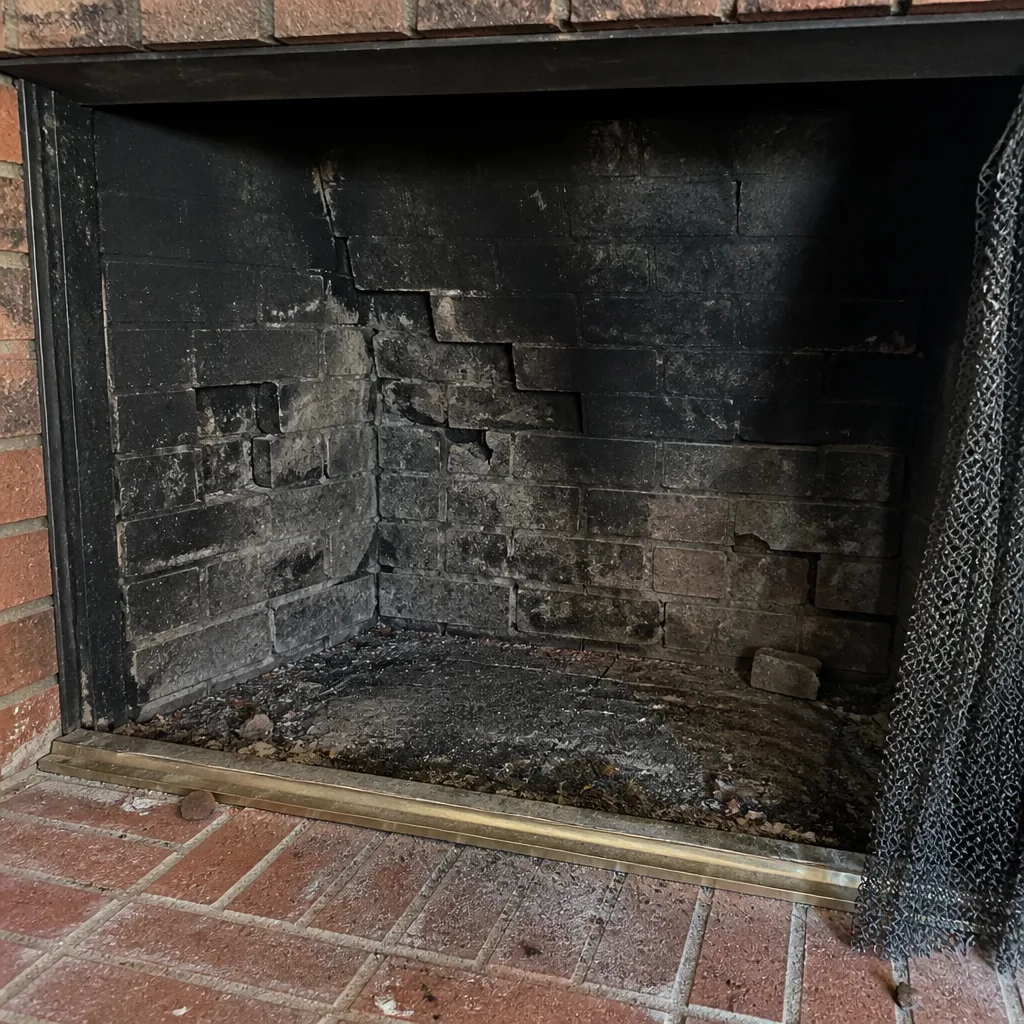 Before
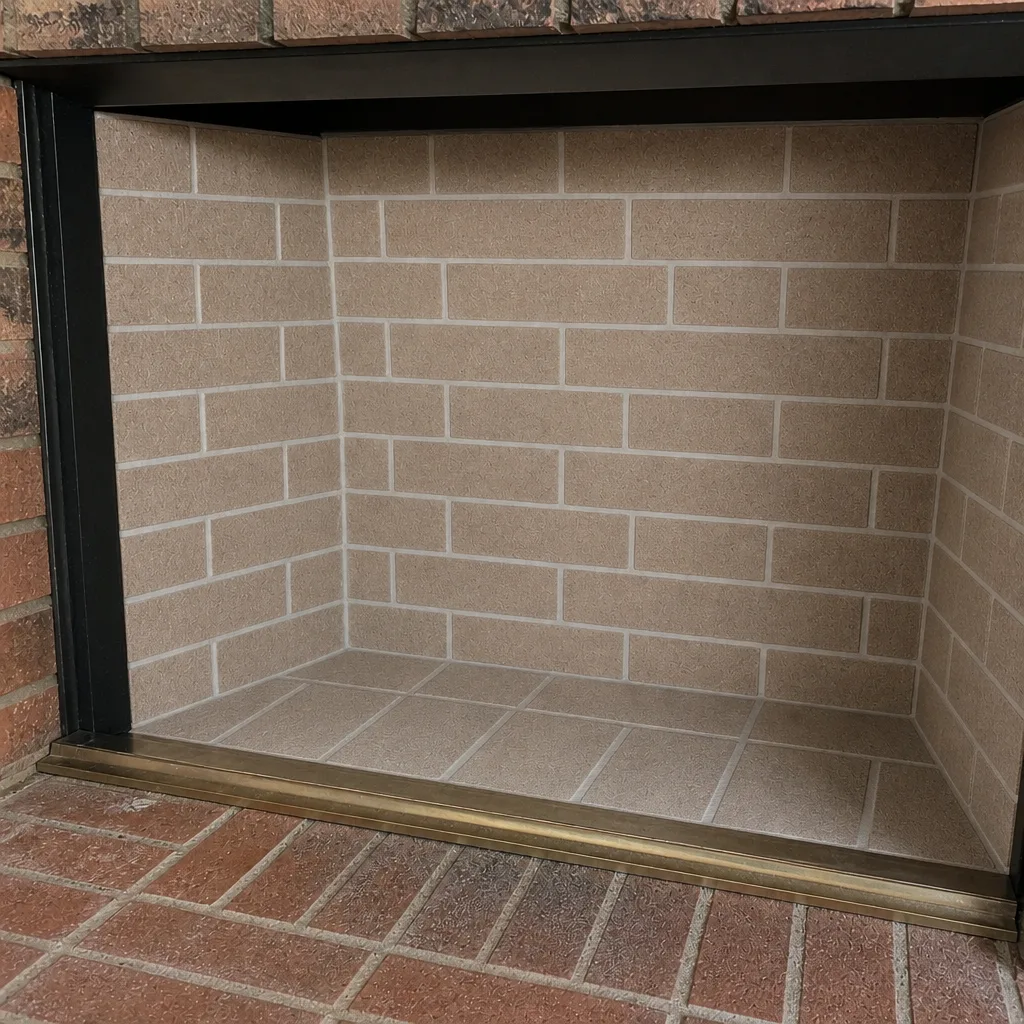 After
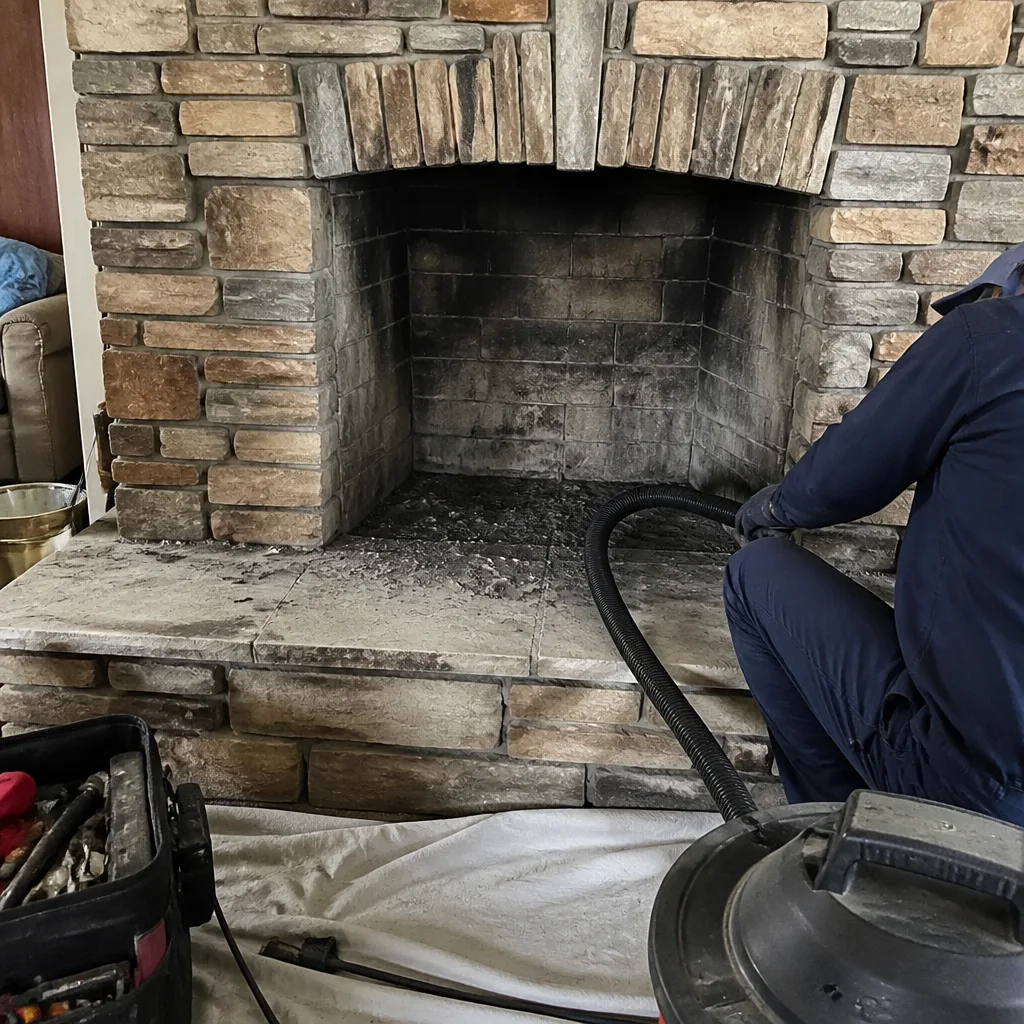 Before
 After
 Before
 After