
Last updated November 15, 2026
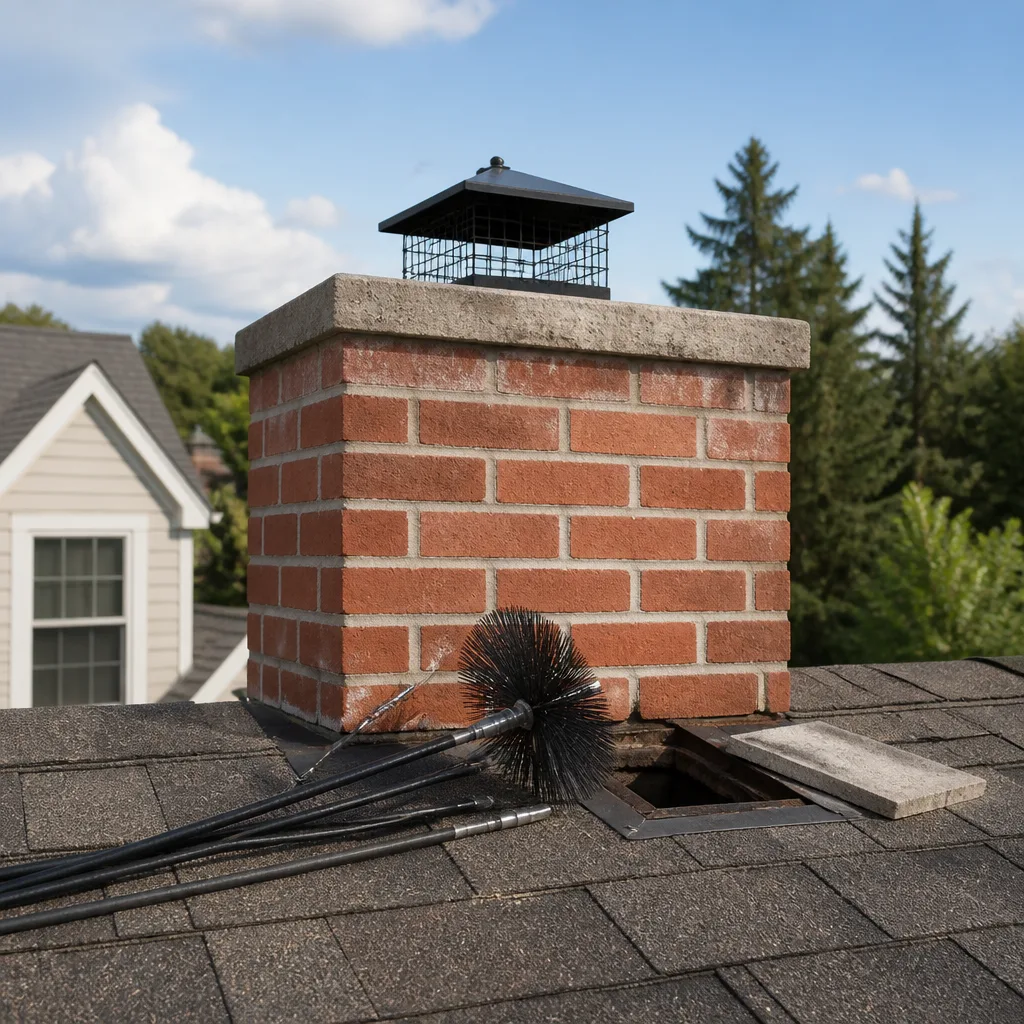 Sweep & inspection
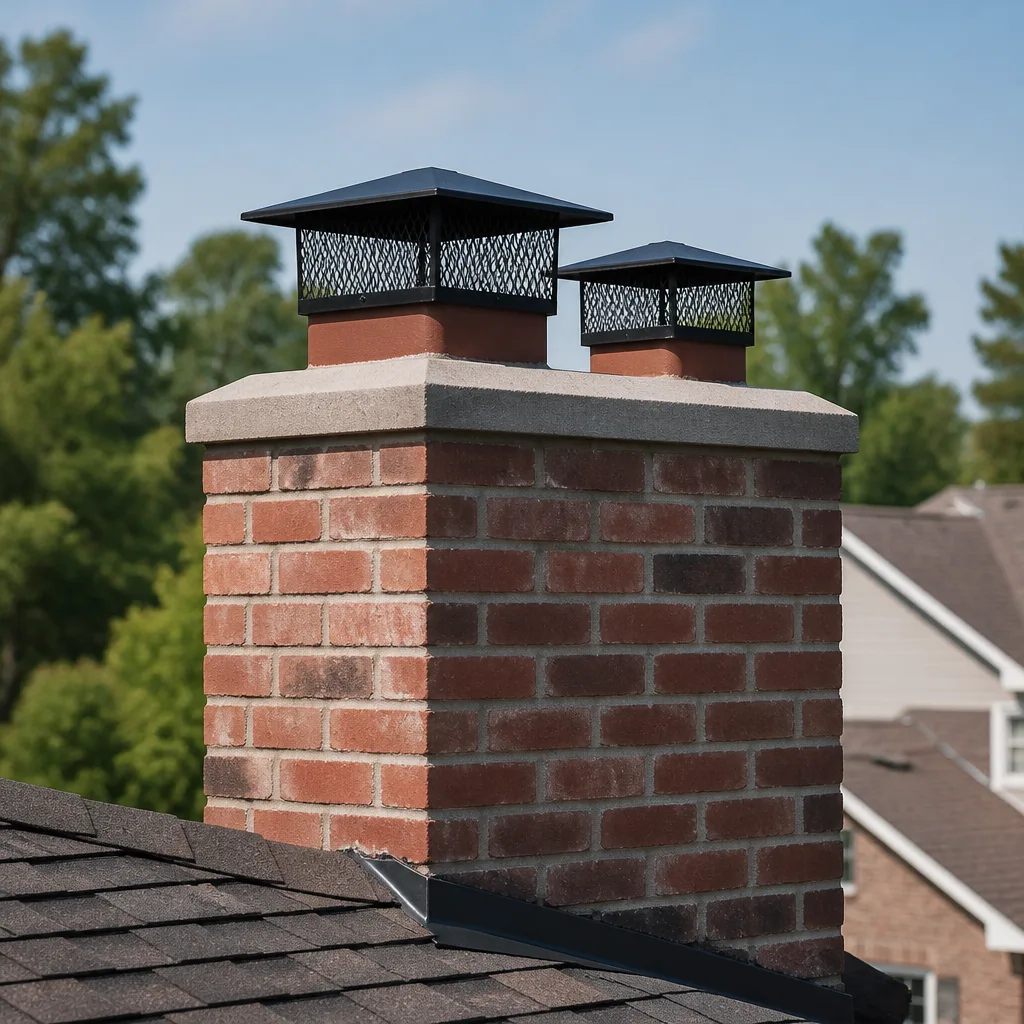 Caps & crowns
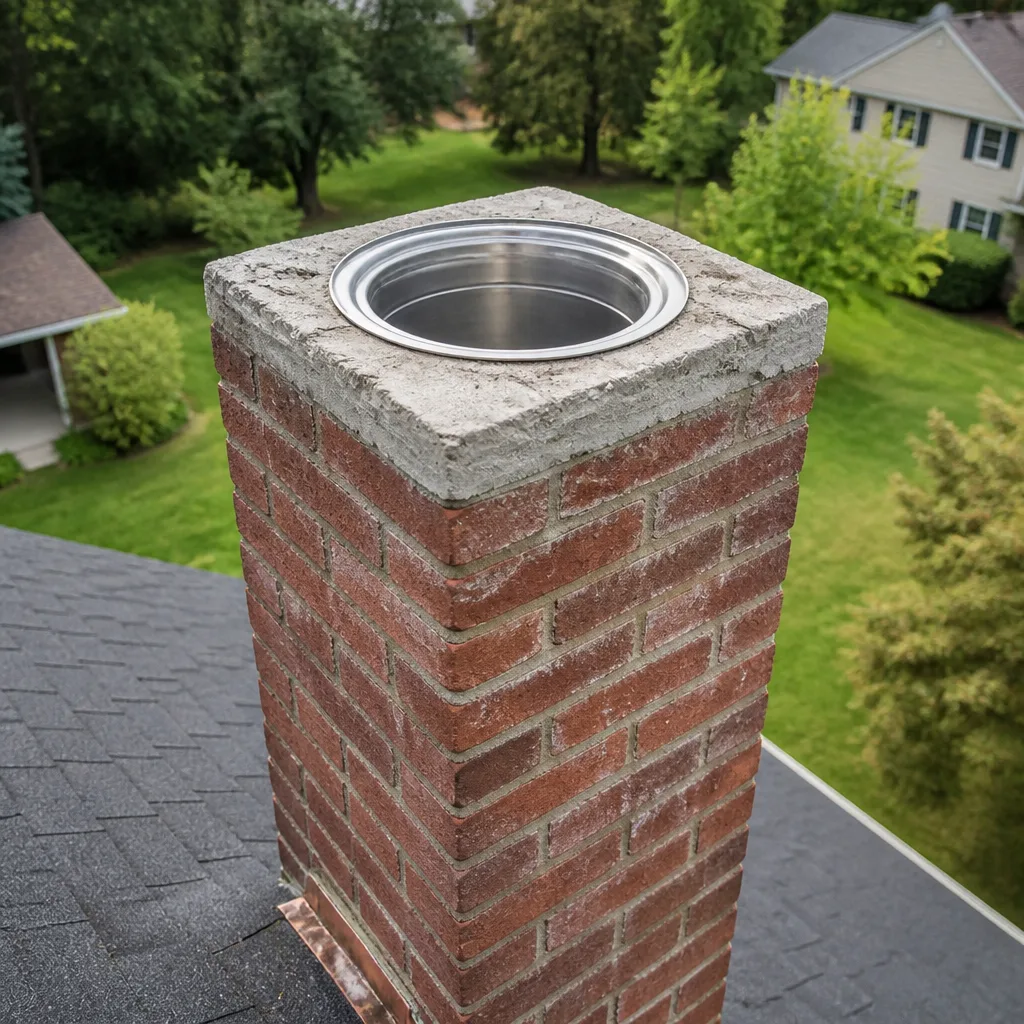 Flue relining
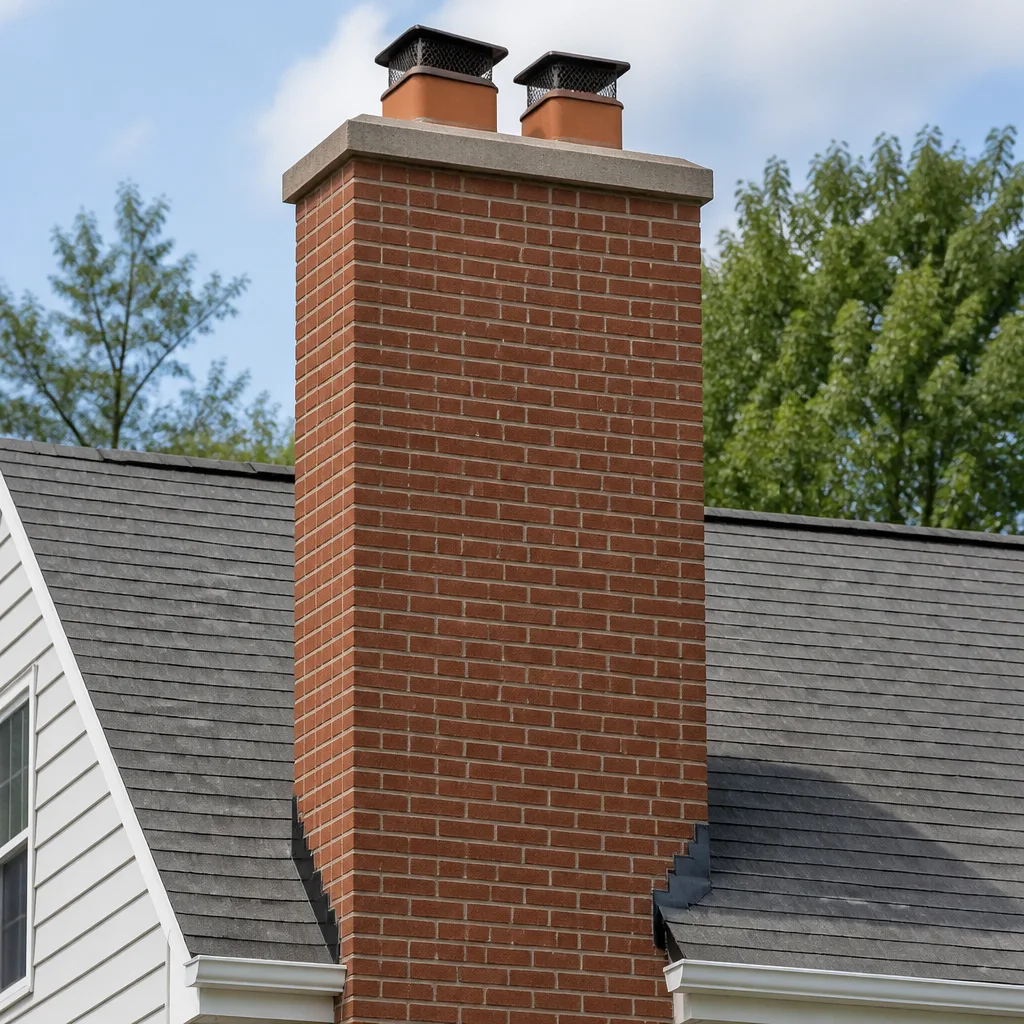 Masonry repair
 Gas fireplace service
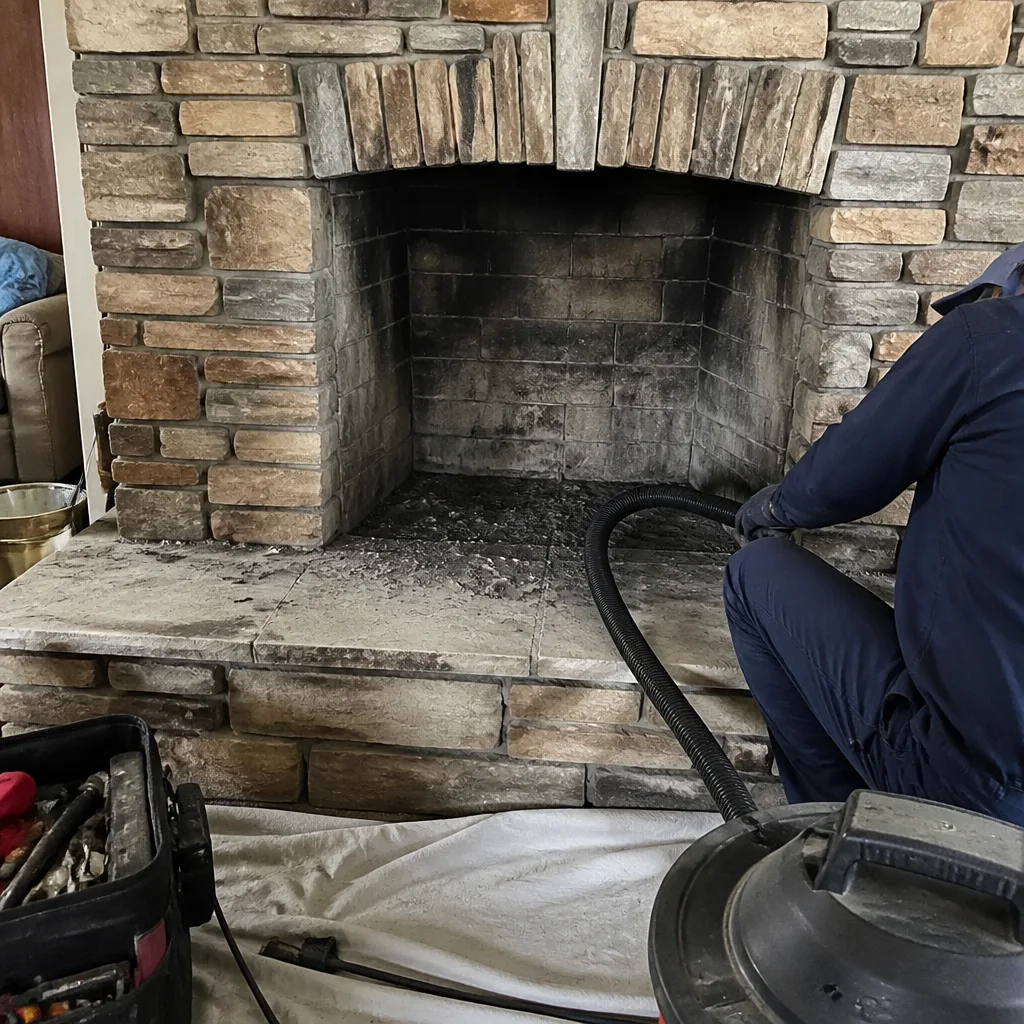
Level 1 sweep and inspection to the NFPA 211 annual standard - flue, crown, cap, and flashing checked and photographed
Chimney sweep logs do not sweep chimneys. They loosen some creosote - which then falls where a brush and vacuum still have to collect it.
Chimney Sweep Maintenance Checklist for Spring Valley Homeowners
Most chimney checklists you’ll find online were written for a house with four distinct seasons and a roof that stays wet half the year. That isn’t the house you live in. In Spring Valley, a fireplace might burn for four months and then sit in desert heat and wind-blown dust for the other eight. The things that fail here aren’t the things generic guides warn you about. Summer heat cycles crack mortar from the inside out. Hard water leaves mineral crust on exterior masonry that signals a moisture problem. Dust settles into caps and crowns and holds grit against the surface for years. This guide walks through each component of your chimney – cap, crown, flashing, liner, damper, firebox – and tells you what actually degrades, what you can check from the ground, and what requires someone on the roof. You’ll also get a realistic service schedule built around Spring Valley’s short burn window.
Quick Answer
A spring-through-fall maintenance check of your chimney’s cap, crown, flashing, and exterior masonry, combined with a professional sweep before your first fire in November, keeps most Spring Valley chimneys in working order. The components that degrade fastest in this climate are the crown and mortar joints, not the flue interior. Look for cracked or sandy mortar, rust on the cap, and white mineral staining on exterior brick. If you see any of those, schedule service before the burn season starts.
Styles & brands we work with
- Sweep & inspection
- Caps & crowns
- Flue relining
- Masonry repair
- Gas fireplace service
Table of Contents
- Why a Generic Checklist Doesn’t Fit Spring Valley
- What You Can Check From the Ground
- The Cap: Your First Line of Defense
- The Crown: Preventing Water From Getting In
- Flashing and Exterior Masonry
- The Liner: The Most Important Part You Can’t See
- Damper and Firebox
- Building a Service Schedule Around Your Burn Window
- Red-Flag Findings That Mean Stop Using the Fireplace
Why a Generic Checklist Doesn’t Fit Spring Valley
The house you live in asks different things of a chimney than a house in a climate with wet springs and freezing winters. In Spring Valley, the thermometer swings from the high teens on a January night to well past 110°F in July. That cycling expands and contracts masonry joints year after year. Moisture trapped in a mortar joint expands when it heats and contracts when it cools, and over enough seasons the joint opens up into a crack. The interior flue is actually less vulnerable here than the exterior shell, which runs the opposite of what most national guides emphasize.
Dust matters too. Spring Valley sits in the Mojave basin where wind-driven grit is a fact of life. Dust collects behind a chimney cap, on the crown, and inside an unused flue. When it combines with even a small amount of moisture – from summer monsoons, from sprinkler overspray, from a roof leak – it forms a paste that holds dampness against the masonry. That is where the real damage starts.
Your burn window matters for how much creosote actually builds up. Most Spring Valley homeowners burn from November through February, which is short. That means the firebox is loaded with intense fires during a compressed window, and then quiet for eight months. The creosote that accumulates during those four months still requires a sweep before the next season, even if the volume is lower than what you’d see in a home that burns year-round.
One more local factor: Southern Nevada water is hard. It leaves a white, chalky scale on brick and stone wherever sprinklers splash exterior masonry. That scale itself is cosmetic. What matters is what it can hide – a hairline crack or a deteriorating mortar joint that only gets worse under constant moisture. Any time you see mineral staining creeping higher on your chimney chase than it used to, take it as a prompt to look more closely.
What You Can Check From the Ground
You can learn a lot about your chimney’s condition without ever getting on the roof. A homeowner with a pair of binoculars and a flashlight can inspect the vast majority of the exterior and spot problems early. What you cannot check from the ground is the interior of the flue, the top surface of the crown up close, or the condition of the liner. Those require a trained eye and the right camera equipment.
Here is what you can realistically check yourself:
- The overall profile of the chimney chase. Stand back and look for leaning, spalling (brick face flaking off), or a white residue on the exterior. Any of these suggest moisture intrusion.
- The chimney cap. With binoculars, look for rust, bent mesh, or a cap that looks like it has shifted off-center. A missing or damaged cap is the most common way water and animals get in.
- Roof flashing around the chimney. Look at where the chimney meets the roof. Any visible gap, lifted metal, or dark staining on the roof surface below the chimney is a red flag.
- Exterior mortar joints. Check for joints that look recessed, sandy, or cracked. On a Spring Valley home, joints exposed to full afternoon sun are often the first to fail.
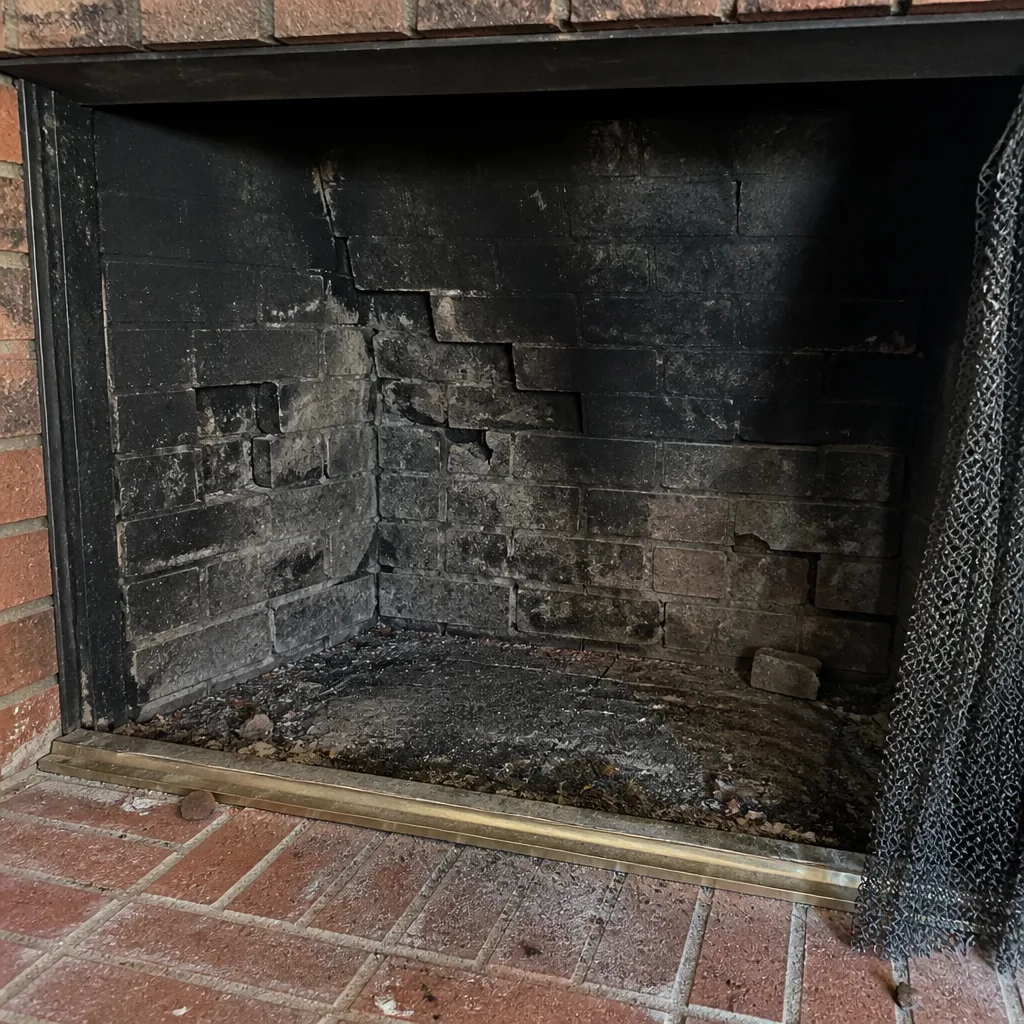
- The firebox interior. Shine a flashlight up into the firebox and look at the brick and firebrick panels. Wide cracks, crumbling mortar at the throat, or missing pieces are signs to call a professional.
- The damper. Open and close it a few times. It should move freely and seal reasonably flat.
If any of those checks turn up something that concerns you, it’s worth having a professional take a closer look before the burn season starts. For a full chimney sweep, a technician can inspect and clean in the same visit.
The Cap: Your First Line of Defense
A chimney cap does three jobs: it keeps rain out of the flue, it keeps birds and small animals from nesting inside, and it keeps sparks from landing on the roof. In Spring Valley, the cap also takes the full brunt of summer sun and winter wind, which degrades the metal faster than most homeowners expect. A cheap, thin-gauge cap can rust through in a handful of seasons. Once it rusts, the mesh fails, and the next windstorm sends it off the chimney.
Here’s what to look for when you inspect your cap:
- Rust and corrosion. Surface rust on a painted cap is cosmetic. Rust that has eaten through the metal, or bubbling paint with soft metal underneath, means the cap is near the end of its life.
- Mesh integrity. The screen mesh should have no holes, no sagging sections, and no gaps at the edges. If a bird or squirrel can get through, the mesh is already compromised.
- Attachment to the flue. The cap should sit level and be firmly attached. A cap that spins in the wind, is off-center, or is held on with wire is one step away from blowing off.
- The cap size relative to the flue. The cap needs to fully cover the flue opening, with mesh sides tall enough to allow adequate draft. An undersized cap lets water in at an angle.
We replace caps with components from Gelco and Famco, chosen to match the flue size and the exposure the chimney sees. A properly sized, weather-tested cap is the single most cost-effective way to protect the inside of your chimney from water and animals. If your cap is rusted through or missing, that is the fix to prioritize before anything else.
The Crown: Preventing Water From Getting In
The crown is the concrete or mortar surface at the very top of the chimney, sloping away from the flue opening to shed water. In Spring Valley, the crown takes the most abuse of any component. Intense summer sun bakes it, winter nights freeze any moisture that has soaked in, and after enough cycles the surface starts to crack. That’s when water starts finding its way down between the flue tile and the chimney walls.
From a distance you can see the obvious problems:
- Cracks running across the top surface, especially cracks wide enough to catch a fingernail.
- Sections that have chipped away or separated from the flue tile.
- A crown that slopes toward the flue instead of away, or that looks flat or concave.
- Visible moss or dark staining on the top surface – a sign that water is pooling.
What you can’t judge from the ground is whether the crown has separated from the flue tile at the joint – the exact place where water does the most damage. That requires a technician on the roof. A crown repair is a small job if it’s caught early. Once water has been running down inside the chimney chase for a few seasons, the repair turns into a masonry rebuild, and then it’s a different conversation.
This is where the Spring Valley heat cycles really matter: the crown is a concrete surface that expands and cools daily, and it will crack faster here than in a climate with stable temperatures. If your home is more than a few years old and the crown has never been inspected, it’s worth having someone look at it during your next sweep visit.
Flashing and Exterior Masonry
Flashing is the metal that seals the joint between your chimney and the roof surface. When flashing fails, water doesn’t just stain the ceiling – it gets into the framing and, over time, into the chimney structure itself. The signs of flashing failure are usually visible from the ground or from a window that overlooks the roof.
Look for these signals:
- Water staining on the roof below the chimney – a dark streak on the shingles is the classic sign.
- Gaps between the flashing and the chimney – if you can see daylight between the metal and the masonry, it’s open.
- Lifted or curled flashing edges – flashing that has pulled up from the shingles lets water underneath.
- Rust staining on the flashing – a sign the metal is deteriorating.
- Water stains on the ceiling or walls near the chimney inside the house – this is the late-stage sign and means water has already made it inside.
Exterior masonry in Spring Valley gets another signal worth watching: white mineral staining from hard water. Southern Nevada’s water supply leaves calcium deposits on brick wherever sprinklers hit. If the staining on your chimney chase is creeping upward or has appeared in an area that used to be clean, that’s usually a sign that a sprinkler head has been repositioned, a downspout has shifted, or the masonry itself has started to wick water. A weeping mortar joint is a joint that has opened enough to let water inside. Any joint that crumbles when you touch it with a screwdriver needs to be repointed before it gets worse.
The Liner: The Most Important Part You Can’t See
The flue liner is the vertical tube inside your chimney that carries smoke and combustion gases up and out of the house. It sits between the fire and the wood framing of your home, and it’s the component you absolutely cannot check from the ground. In Spring Valley, you can have a chimney that looks fine from every angle on the exterior and still have a liner that has cracked, spalled, or separated at the joints. That’s the situation where a professional inspection genuinely matters.
Liner condition affects two things equally: fire safety and indoor air quality. A cracked liner lets heat and embers reach combustible framing. It also lets carbon monoxide and other combustion byproducts seep into the living space rather than going up the flue. Neither of those makes itself obvious to a homeowner until the situation is serious. That’s the whole reason a professional visit uses a camera – not because the technician enjoys climbing on roofs, but because interior inspection is the only way to know what’s actually going on inside the flue.
If the liner is deteriorated, we can often restore it without tearing the chimney apart. HeatShield is a resurfacing system designed to repair deteriorated mortar and tile joints in place, sealing the flue from the inside and restoring it to a safe working condition. When a full relining is needed, we install DuraFlex flexible liner systems, which are the standard for durable relining installations. The right choice depends entirely on what the camera shows inside your flue. That’s why we carry both.
Here’s the practical rule: a flue that has never been inspected has an unknown liner condition. If you’re going to burn wood this winter, get the liner looked at during the fall sweep. There’s no way to guess at it, and guessing is not worth the risk.
Damper and Firebox
The damper is the plate above the firebox that opens to let smoke up the flue and closes to seal the chimney when the fireplace isn’t in use. It’s a simple piece of hardware and it fails in predictable ways. In Spring Valley, dust and grit work their way into the damper track over the summer, and the first time you open it in the fall, it can feel stuck or move roughly. That’s often a clean-and-lubricate job, not a replacement. But a damper that no longer seals – that closes but leaves a visible gap – is worth fixing. An open damper in the summer is an open door for cool air to escape and dust to come in.
The firebox is the masonry box where the fire sits. Check it for:
- Wide cracks in the firebrick – hairline cracks are cosmetic, but cracks wide enough to slide a dime into are structural.
- Missing or crumbling mortar at the throat – the throat is where the firebox narrows toward the flue, and it takes a lot of heat.
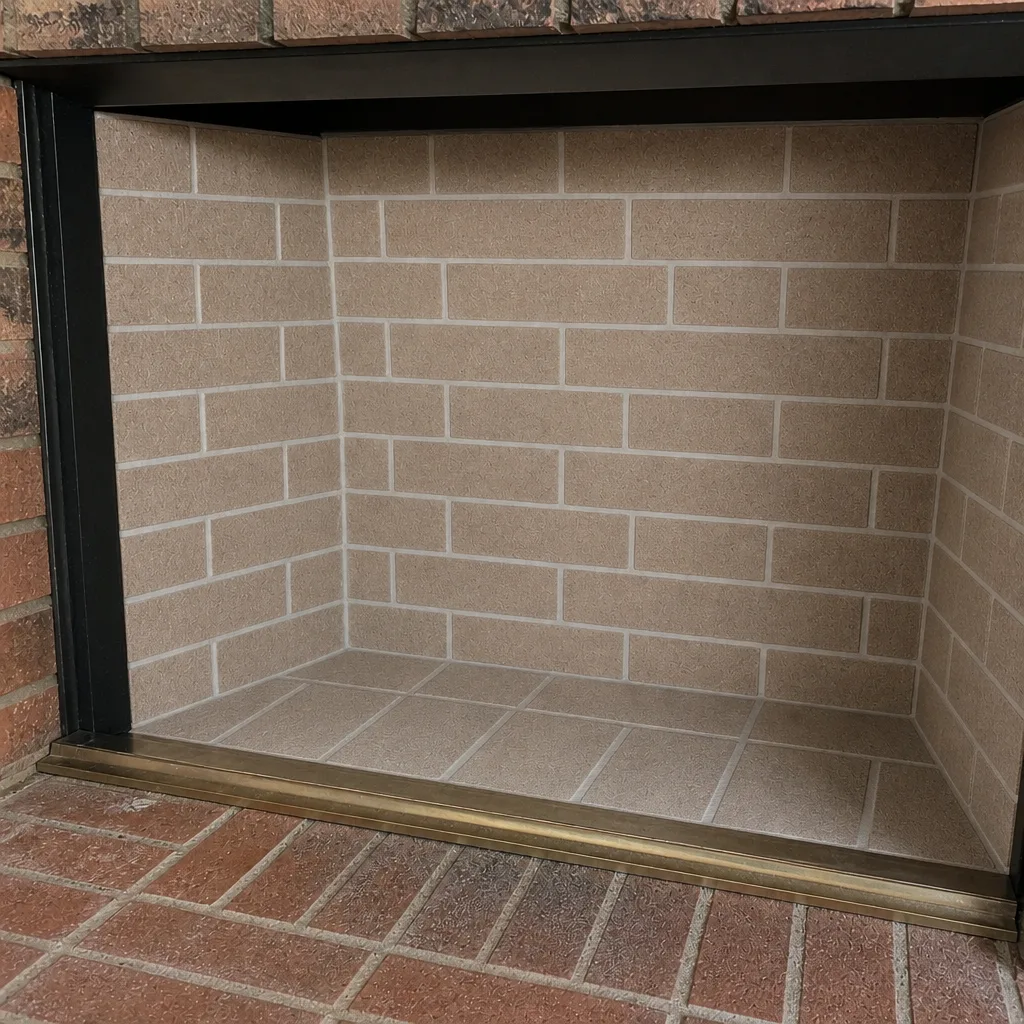
- Loose or missing firebrick panels – these need to be reset or replaced before the next fire.
- Any sign of white, chalky residue on the interior brick – this can indicate moisture getting in from above, and it needs to be traced back to the source.
In our experience, most firebox repairs that get caught early stay small. Fireboxes that get used season after season without a look are the ones that turn into bigger rebuilds. If you want a technician to inspect the firebox and damper, we schedule those with your regular sweep.
Building a Service Schedule Around Your Burn Window
Most of Spring Valley burns from November through February. That’s a short season, and the schedule should match it. Here’s how we’d structure a year-round maintenance calendar:
- Late spring (May-June): Get on the roof or have a technician out to inspect the cap, crown, and flashing after the winter rains. This is the best time to catch water damage because you have months to repair it before the burn season starts.
- Mid-summer (July-August): Do a sweep if your firebox saw heavy use last season or you burn any amount of unseasoned wood. This is also the right window to schedule liner work, so it has time to cure before winter.
- Early fall (September-October): Get the pre-season sweep done. This is when the flue gets cleaned, the liner gets a camera inspection, and any repairs flagged in spring get finished.
- Start of burn season (November): Test the damper, confirm the cap is properly seated, and make sure you have a working carbon monoxide detector on every level of the home before the first fire.
- Mid-season (January): Check the firebox and damper. If you’re burning frequently, a mid-season look catches small problems before they compound.
- End of burn season (February-March): Do a final inspection and cleaning after the last fire of the year. This is when you’d catch any cracked firebrick from the season’s heat cycles.
If you burn continuously, or if you have a wood stove rather than an open fireplace, you may need to sweep more than once a year. The industry standard rule is to sweep when the creosote reaches 1/8 inch. If you’re not sure what 1/8 inch looks like, that’s fine. That’s what the sweep is for.
Don’t forget the dryer vent cleaning piece of this. A dryer vent is a related hazard in the same house, and the same visit can resolve both. One visit, two fire hazards addressed.
Red-Flag Findings That Mean Stop Using the Fireplace
Some findings are a “schedule service soon” and some are a “stop using this fireplace right now.” Knowing the difference matters. These are the cues to treat as a hard stop:
- A liner with visible cracks or gaps that let fire heat reach framing. Stop burning until it’s repaired or relined. A HeatShield resurfacing or a DuraFlex liner replacement may be the fix, but it needs to be done before the next fire.
- Rebuilding levels of creosote in the flue (glazed, tar-like). Glazed creosote ignites at low temperatures and is a chimney-fire waiting to happen. Don’t burn again until the flue is cleaned and inspected.
- Water actively coming into the firebox during a rainstorm. This means the crown or flashing has failed. Water and fire do not belong in the same firebox, and the source has to be closed before you burn.
- A firebox with structural cracking or missing firebrick. Heat can reach the surrounding materials through the crack. Don’t light a fire until it’s repaired.
- A carbon monoxide detector alarm anywhere in the home when the fireplace is in use. This is an immediate stop. Open windows, leave the house, and call for professional inspection.
- A damper that won’t open. A stuck-closed damper means combustion gases go into the room. Don’t burn.
Any of those signs mean the fireplace is out of service until a technician can look at it. Not next week. Before the next fire.
Common Mistakes to Avoid
- Assuming a clean flue means a safe chimney. Sweeping removes creosote, but it doesn’t address cracking mortar, a damaged crown, or a liner that’s past its service life. A sweep without an inspection is only half the job.
- Skipping the crown because it “looks fine from the ground.” Most crown problems only become visible from the roof. A Spring Valley home that has been through several summer heat cycles almost always has crown cracking that the homeowner can’t see.
- Burning unseasoned wood to save on cost. Wet wood creates far more creosote than dry wood. In a short Spring Valley burn season, that creosote accumulates fast and doesn’t get a long enough burn cycle to work itself off.
- Ignoring rust on the cap. A cheap cap can rust through in just a few seasons of desert sun and wind. Once the mesh fails, birds and water have a way in. Replace it before the failure, not after.
- Treating mineral staining on the chimney chase as cosmetic. Hard water scale often hides a mortar joint that has started to weep. Get the joint inspected, not just the surface.
- Forgetting the dryer vent. Clothes dryers are one of the leading causes of home fires, and the vent is part of the same system as the chimney. Clean it once a year along with the chimney sweep.
- Waiting until the first cold night to schedule the sweep. Every sweep company in the valley is booked solid by mid-October. Schedule in the late summer or early fall if you want a slot before the burn season.
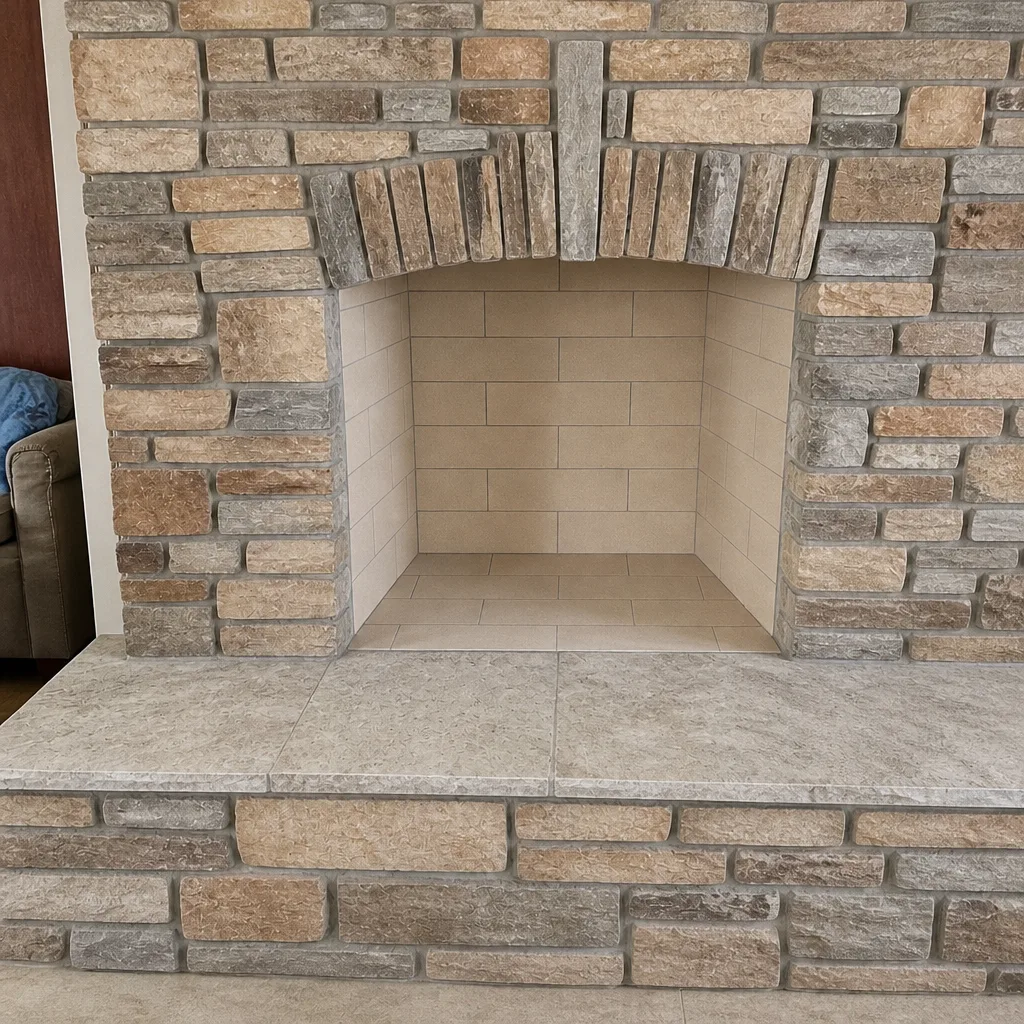
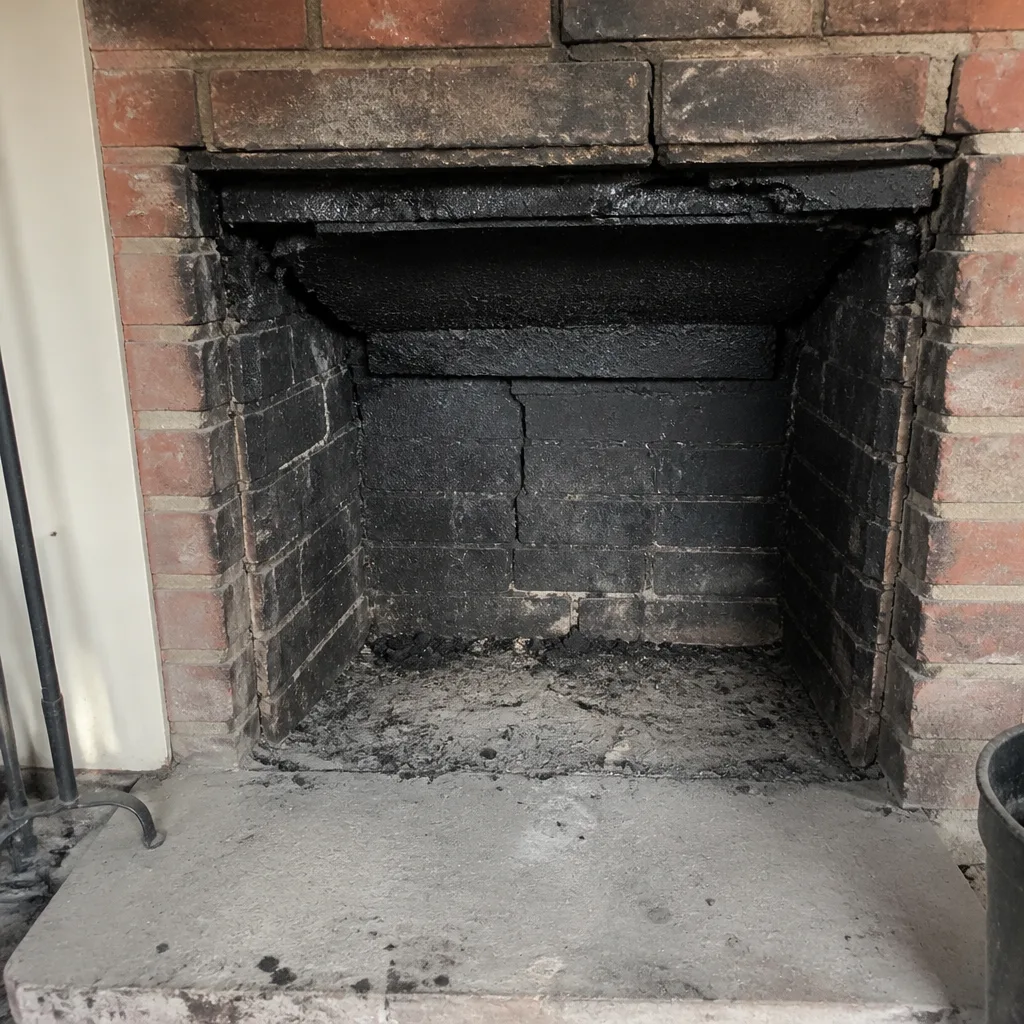
See the difference
 Before
 After
 Before
 After
 Before
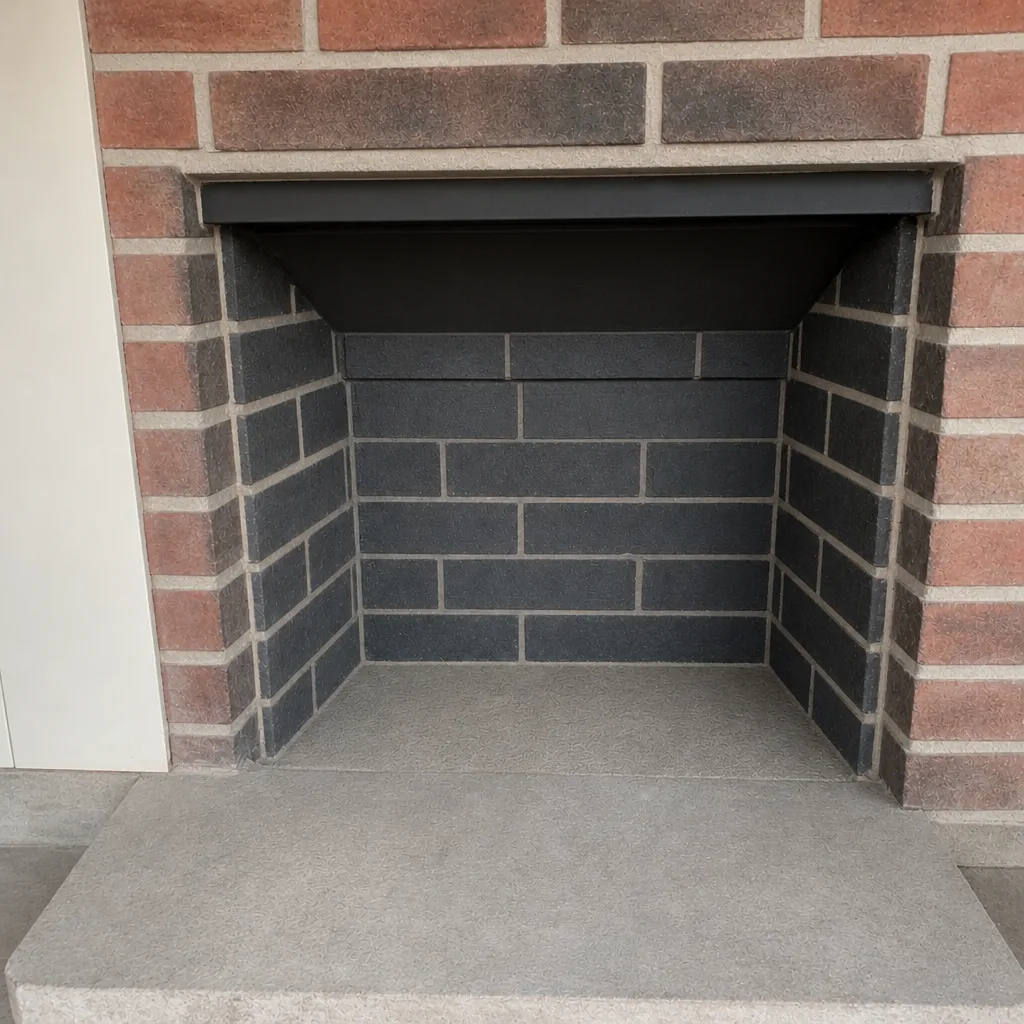 After
When to Call a Professional
If your annual inspection turns up a cracked crown, visible water intrusion, a liner with visible cracks, a firebox in structural decline, or a cap that’s rusted through, that’s the point to call in a specialist. The same goes for anything on the red-flag list above. At Whitman Chimney Cleaning, we offer free estimates in Spring Valley, and we carry the material inventory – HeatShield, DuraFlex, Gelco, Copperfield – to handle the repair without a referral to a separate contractor. If you’re seeing something you don’t like on your chimney, don’t guess. Call Whitman Chimney Cleaning at (888) 344-4211 for a free estimate. We answer 24/7, fast dispatch from 7am to 7pm, Sunday through Friday.
Frequently Asked Questions
Once a year is the standard for most homes, timed to land before the burn season starts in November. In Spring Valley, if you burn frequently through the four-month season or you’re burning unseasoned wood, you may need a second sweep mid-season. The basic rule is to sweep when creosote reaches 1/8 inch, which is what the technician checks for during the inspection. Call (888) 344-4211 to schedule a sweep and inspection before the season starts.
Cracked mortar shows up as thin, dark lines between the brick courses, or as joints where the mortar has recessed and looks sandy. On a Spring Valley home, the joints on the south and west faces – the sides that take full afternoon sun – typically fail first because of the daily heat cycle. If the joint crumbles when you touch it with a screwdriver, it needs repointing. Get a professional look before the burn season.
No. The liner is the interior surface of the flue, and inspecting it requires a camera on a flexible rod that a trained technician runs from the roof or the firebox. From the ground or the firebox, you can see the very top and bottom of the liner, but not what’s happening in the middle. If you want a camera inspection, that’s part of a standard professional sweep. Call (888) 344-4211 to set one up.
White, chalky staining on exterior masonry in Spring Valley is usually mineral scale from hard water, most often from sprinkler overspray hitting the side of the chimney chase. Surface scale is cosmetic, but the moisture that causes it can also find its way into mortar joints and cause them to degrade over time. If the staining has crept upward or appeared where it wasn’t before, it’s worth having the joints inspected.
No. A stuck-closed damper forces combustion gases into the room instead of up the flue. That includes carbon monoxide, which is odorless. Don’t light a fire until the damper has been serviced and moves freely. Call (888) 344-4211 to schedule an inspection.
A sweep removes creosote and soot from the flue and firebox. A repair addresses structural issues – cracked mortar, a damaged crown, failed flashing, a liner that needs resurfacing or replacement, a cap that needs to be replaced. Sweeps handle the cleaning; repairs handle everything else. When we’re at your home in Spring Valley for a sweep, we inspect the whole chimney in the same visit and quote any repairs we find in writing. Call (888) 344-4211 for a free estimate.
The Bottom Line
A chimney checklist that ignores the climate it’s written for misses the biggest risks. In Spring Valley, the components that actually fail first are the crown, the mortar joints, and the exterior masonry – not the flue interior the national guides spend all their time on. Cap your chimney correctly, watch for cracked mortar and mineral staining on the chase, get the liner camera-inspected once a year, and schedule the pre-season sweep before November. If you see a red flag from the list above, stop using the fireplace and call us. A short investment in the right maintenance schedule is what keeps a Spring Valley fireplace safely available for every winter. We offer free estimates, we work with your materials of choice from HeatShield, DuraFlex, Gelco, and Copperfield, and we handle chimney sweep, repair, and dryer vent cleaning in the same visit. When you’re ready, Spring Valley homeowners can call (888) 344-4211. We answer 24/7. Fast dispatch from 7am to 7pm, Sunday through Friday.
Written by the team at Whitman Chimney Cleaning.