
Last updated November 15, 2026
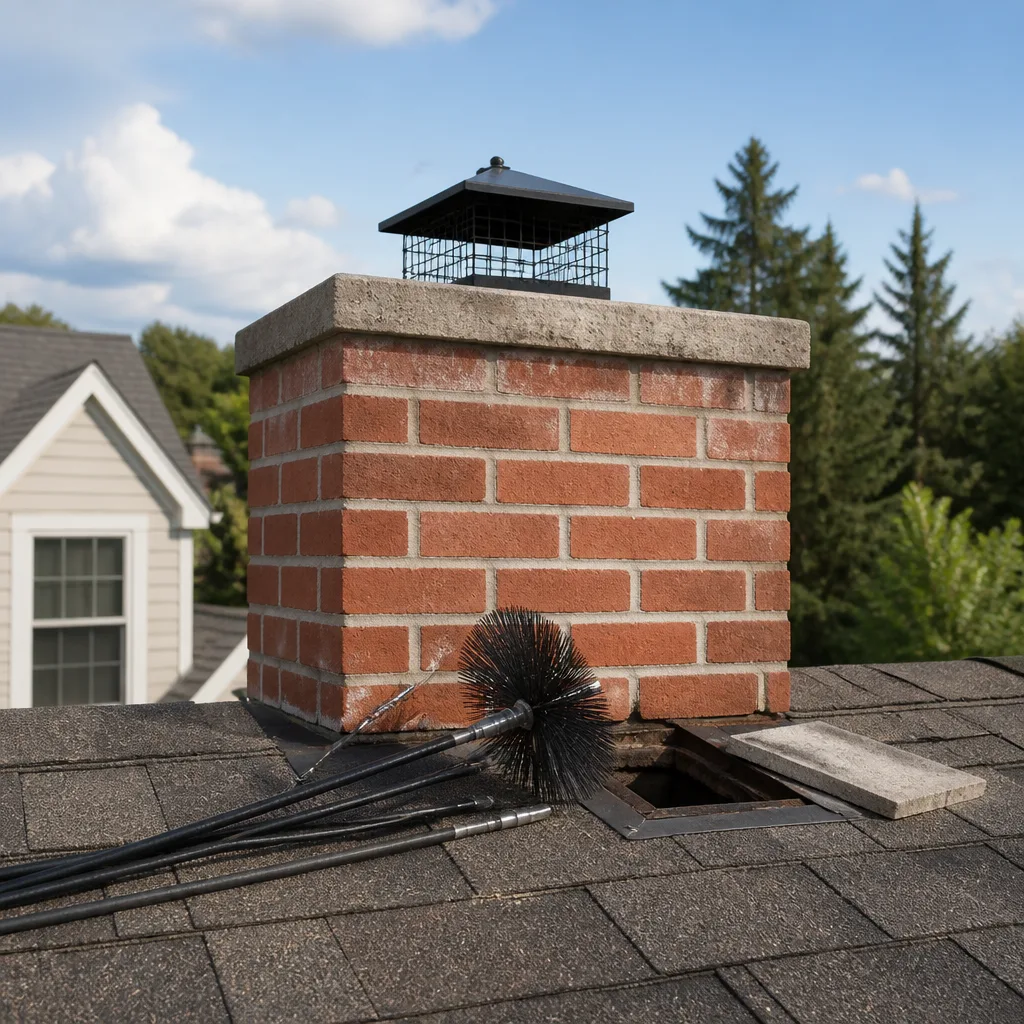 Sweep & inspection
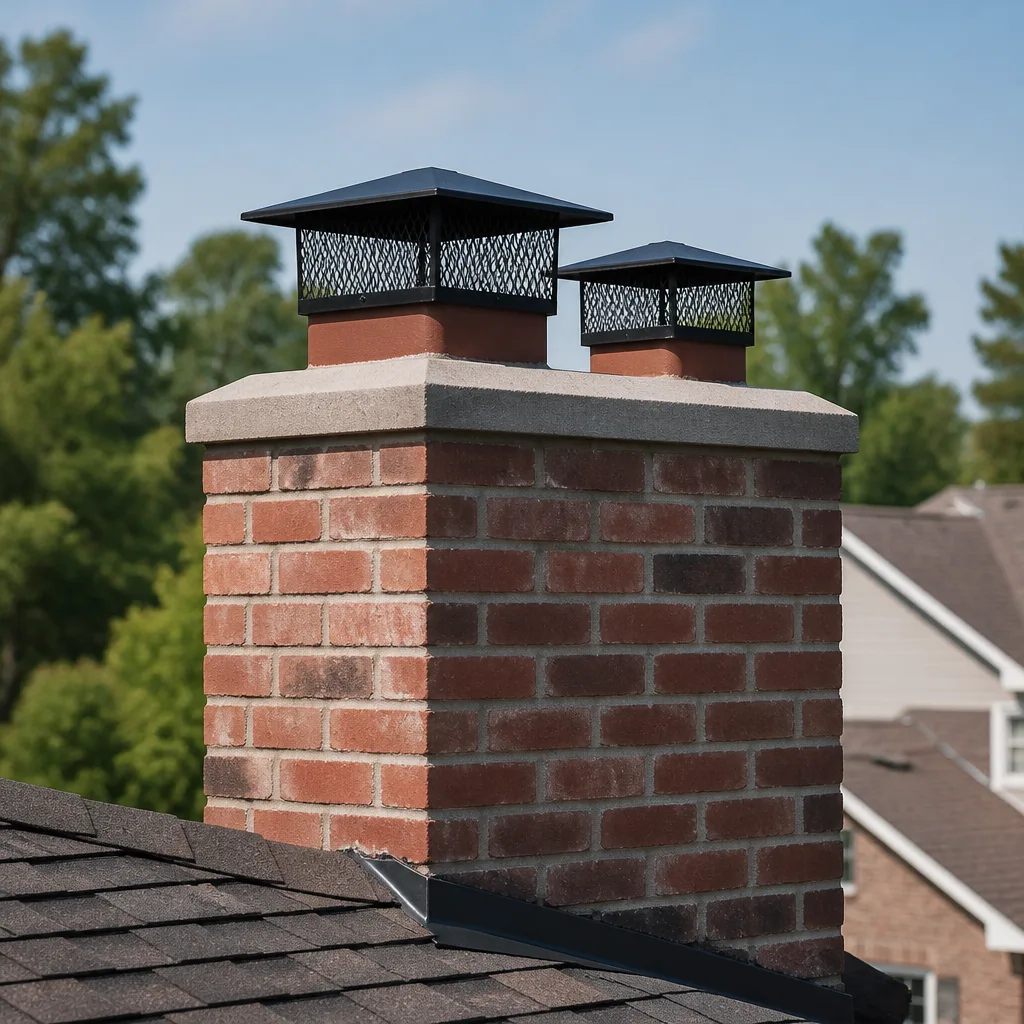 Caps & crowns
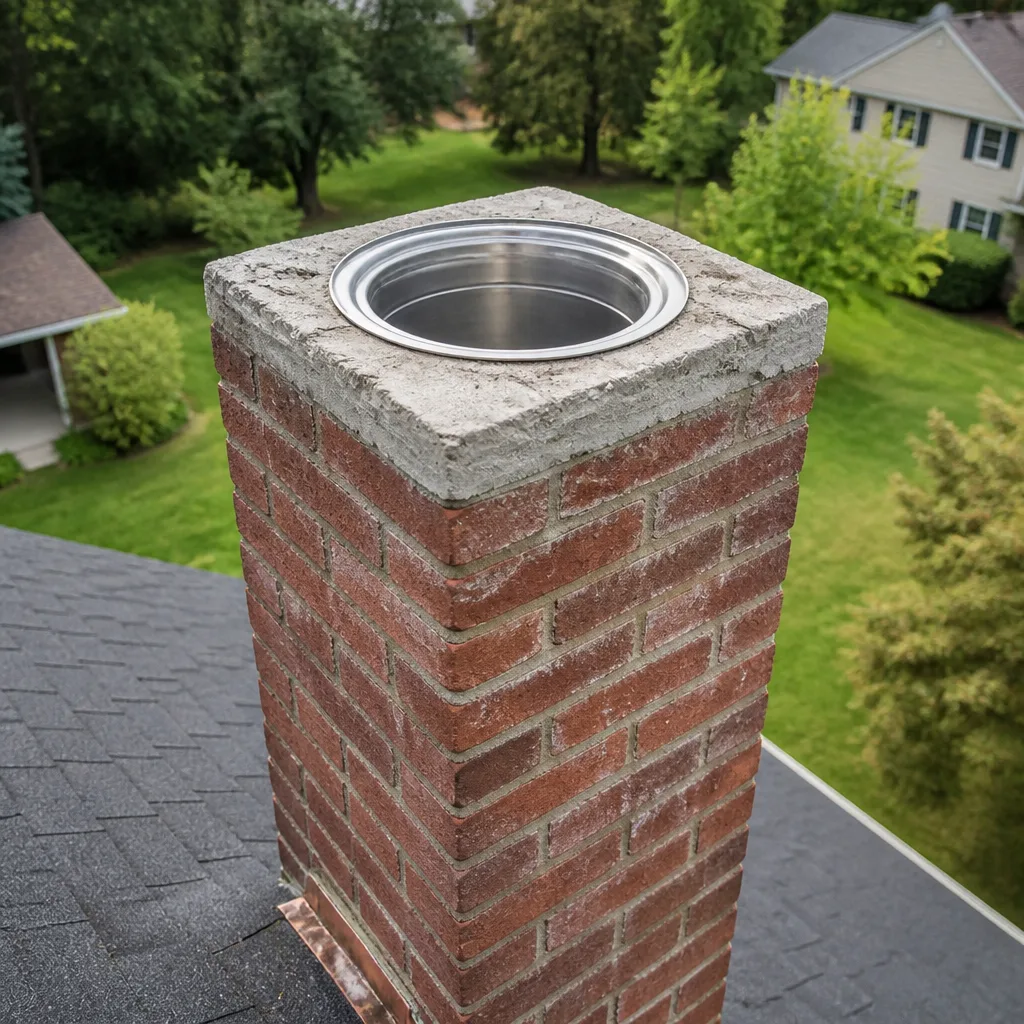 Flue relining
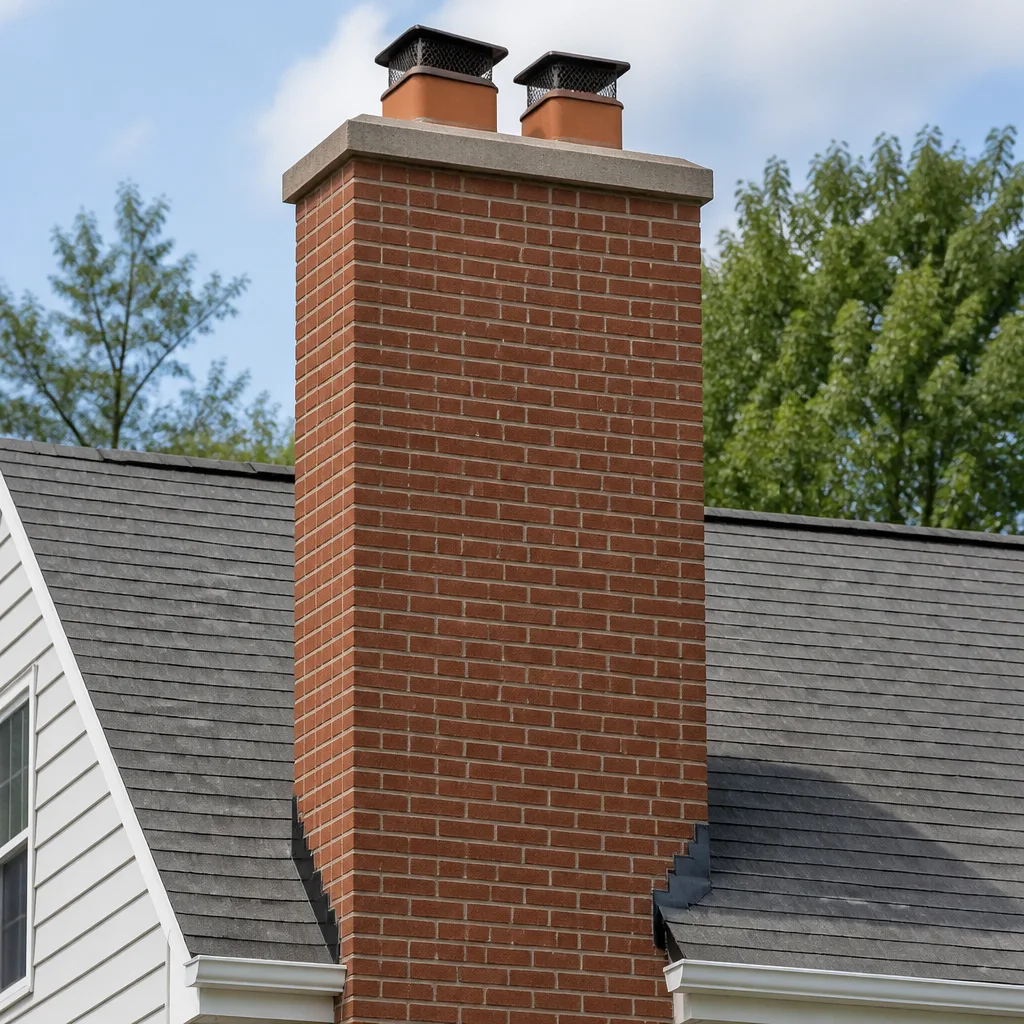 Masonry repair
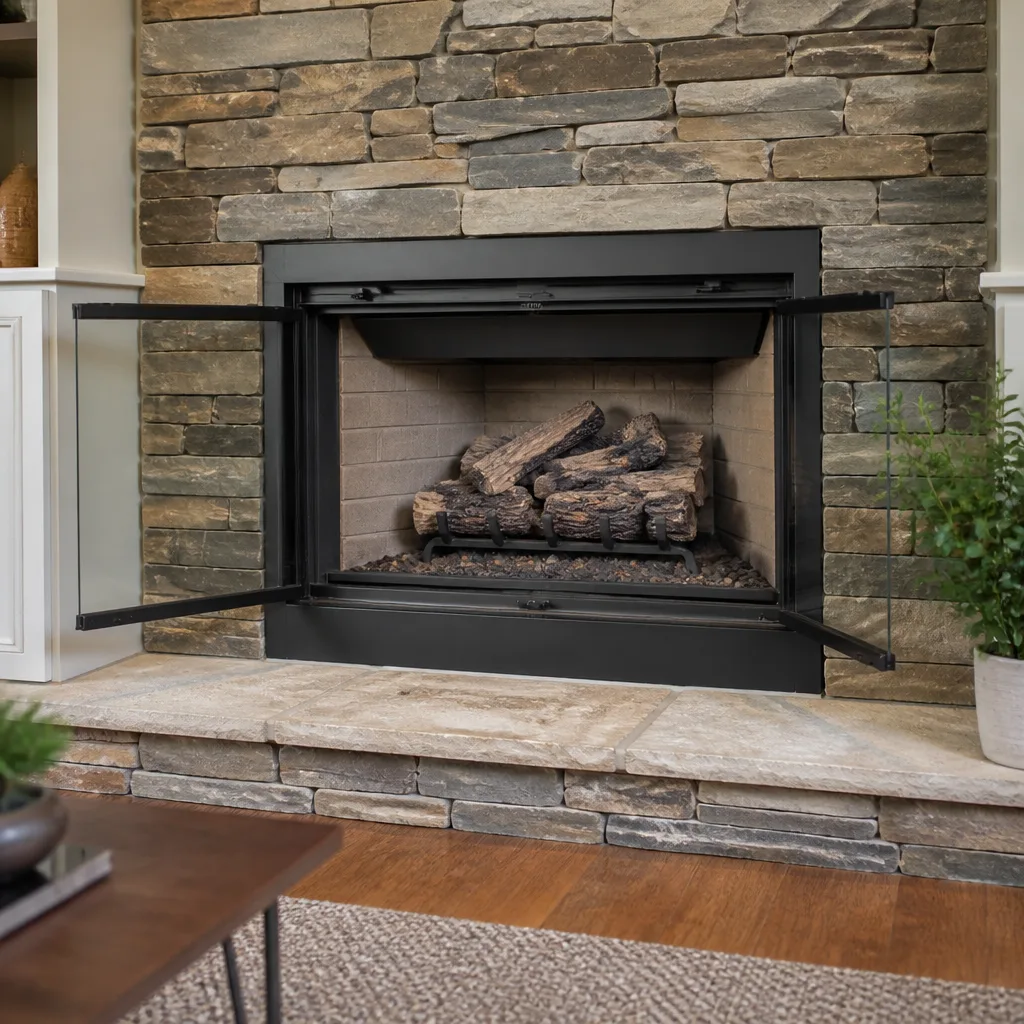 Gas fireplace service
Level 1 sweep and inspection to the NFPA 211 annual standard - flue, crown, cap, and flashing checked and photographed
Chimney sweep logs do not sweep chimneys. They loosen some creosote - which then falls where a brush and vacuum still have to collect it.
Chimney Cleaning Permits, Codes & Inspections in Spring Valley, NV: What You Need to Know
A chimney sweep doesn’t need a permit. A chimney liner replacement might. That distinction costs some Spring Valley homeowners real money at closing, because unpermitted flue work that was never inspected has a way of surfacing the moment a buyer’s inspector starts writing things down. Most people assume “chimney work” is one category, so they also assume the paperwork is one category. It isn’t. Some of what happens inside your chimney is routine maintenance that needs nothing more than a signed invoice. Some of it is construction work that touches building code and belongs in a permit file.
This guide walks through where that line falls in Spring Valley, how Nevada rules and Clark County codes fit together, what a Level 2 inspection actually documents, how to check a contractor’s license before anyone climbs on your roof, and what to do if you discover unpermitted work on your own property. Read it before you book work you might need to prove later.
Quick Answer
Routine chimney sweeping in Spring Valley requires no permit. Repairs that alter the flue structure – full liner replacement, firebox reconstruction, chase work, and major component changes – can trigger a Clark County building permit, and the same work must also meet Nevada State Fire Marshal requirements. A Level 2 inspection is the documentation that typically gets requested when a home sells or after a chimney fire, and a licensed Nevada contractor is the only person who should perform the structural work.
Styles & brands we work with
- Sweep & inspection
- Caps & crowns
- Flue relining
- Masonry repair
- Gas fireplace service
Table of Contents
- Routine Maintenance vs. Permit-Required Work
- How Nevada Fire Marshal Rules and Clark County Codes Interlock
- What a Level 2 Inspection Documents and When It’s Required
- How to Verify a Contractor With the Nevada State Contractors Board
- What “Unpermitted Chimney Work” Means on a Disclosure Form
- Why Spring Valley’s Climate Shapes Chimney Wear
- Why the Liner Material Affects Whether You Need a Permit
- Common Mistakes to Avoid
Routine Maintenance vs. Permit-Required Work
The cleanest way to think about it: if the work removes creosote or soot without changing the shape, material, or structural function of the chimney, it’s maintenance. If it adds, replaces, or rebuilds part of the chimney system, it’s construction – and construction is where permits live.
Here’s how the split typically looks for work we handle in Spring Valley:
- No permit usually needed: standard chimney sweeping, dryer vent cleaning, cap and screen replacement, damper hardware swaps, minor mortar touch-up on an accessible crown, and inspection itself.
- May require a permit: full flue liner replacement, firebox rebuild, chase reconstruction, removal or addition of a wood-burning appliance, and any work that changes the chimney’s height or clearances.
That second list is where the surprises live. A homeowner who budgets mentally for “a sweep” and then gets told the flue needs relining is now funding construction, not maintenance. The work might be entirely legitimate and necessary – deteriorated clay tile, gaps at the mortar joints, a flue that no longer holds a safe margin around heat – but it isn’t routine, and it deserves the same paper trail as any other remodel.
The practical step is simple. Before any repair work starts, ask two questions: does this specific job require a permit in Clark County, and who pulls it? A straight answer, in writing, tells you a lot about who you’re dealing with. The permit isn’t bureaucracy for its own sake – it’s the county’s record that the flue was inspected by someone other than the person who installed it.
How Nevada Fire Marshal Rules and Clark County Codes Interlock
Two different rule systems apply to the same chimney. Nevada Revised Statutes 477 assigns fire safety regulatory authority to the State Fire Marshal, which covers things like chimney and flue safety standards for wood-burning appliances. Clark County’s building department then handles the construction side – permitting, inspection, and sign-off on structural work. They aren’t in conflict. They’re doing different jobs.
In practice:
- The State Fire Marshal framework sets the safety baseline for how a chimney and flue must perform – clearance to combustibles, flue integrity, and venting of wood-burning and gas appliances.
- Clark County issues the building permit and inspects the construction work against the applicable building code.
- A compliant install satisfies both. A homeowner’s closing paperwork often asks for evidence of both.
What this means for a Spring Valley homeowner is that “the county inspected it” and “it’s fire safe” are related but not identical claims. A permitted and inspected liner install should meet the fire safety standard, but the fire safety standard also governs work that never went through a permit process – which is exactly the gap an inspector finds.
Wood-burning fireplace use here runs through our cooler months, and a surprising number of Spring Valley homes still have original clay tile flues from the era the house was built. When we look at those, we’re checking clearance to framing and flue integrity at the same time. If either has been compromised by an earlier unpermitted alteration – say, a liner that was added without appropriate clearances – the fire safety question and the permitting question converge into one repair scope.
What a Level 2 Inspection Documents and When It’s Required
A Level 2 inspection is a documented, camera-based examination of the entire chimney system – accessible portions of the flue interior, the firebox, the smoke chamber, the damper assembly, the crown, and clearances to combustible material. It’s the level of inspection most commonly requested in a real estate transaction, after a chimney fire, after an earthquake or similar event, or any time the appliance or fuel type has changed.
What the report should include:
- Camera images of the flue from top to bottom, with notes on any gaps, cracks, spalling, or offsets.
- The measured or assessed condition of the liner, and whether it holds a safe clearance to surrounding framing.
- Findings on the firebox, damper, smoke chamber, and crown.
- Recommended repairs, separated into work that’s needed now and work that can wait.
The last point matters. A Level 2 report that says “you need a full reline” without photos is a sales pitch, not an inspection. You should be able to see what the technician saw. That’s the standard we hold ourselves to on a Whitman Chimney Cleaning job, and it’s the standard you should expect from anyone you hire.
What Level 2 does not do: it doesn’t confirm the county signed off on the original install. That’s a permit record search through Clark County, and a homeowner or buyer can request those records independently. An inspection report describes the condition of what’s there. It can note that something appears to have been altered. It cannot, on its own, tell you whether a permit existed at the time.
How to Verify a Contractor With the Nevada State Contractors Board
Any contractor performing chimney repair in Nevada – liner replacement, firebox rebuild, structural work of any kind – should hold an active license with the Nevada State Contractors Board (NSCB). Verifying that license takes about five minutes and is the single most useful pre-hire step you can take.
Here’s the process:
- Get the contractor’s business name and license number in writing, on the estimate or invoice header.
- Search the license number on the NSCB website’s contractor lookup.
- Confirm three things: the license is current, the classification matches the type of work being performed, and the license is issued to the exact legal name on your contract.
- Check whether there are any disciplinary actions or complaints on file.
- Ask for a certificate of insurance coverage for the work, and verify the named insured on the certificate matches the licensed entity.
Routine sweeping falls in a gray area – many jurisdictions don’t require a contractor’s license for pure cleaning. But the moment that same company offers to reline your flue or rebuild the firebox, you’re in licensed-contractor territory. A company that can sweep but can’t pull a permit will usually get quiet about the permit question. That silence is the answer.
We handle both sides – a chimney sweep and repair work at the same visit if the inspection calls for it – and the technicians doing the sweep are the same trade professionals who step in when a repair is needed. Our technicians have up to 14 years of experience. You should still verify the license before anyone starts. That’s true of us and it’s true of everyone else.
What “Unpermitted Chimney Work” Means on a Disclosure Form
When a Spring Valley home goes up for sale, the seller’s disclosure asks, in one form or another, about any unpermitted work done to the property. Chimney repairs done without a permit are supposed to be disclosed. Many are not – not out of malice, but because the homeowner never knew the work required one.
If unpermitted chimney work surfaces during a buyer’s inspection, the resolution path usually looks like this:
- A contractor documents the current condition with a Level 2 inspection, including photos of what’s actually there.
- The homeowner and buyer agree on what the code requirement actually is – sometimes the installed work meets code and can be legalized through a permit application with current inspection. Sometimes it must be corrected.
- A corrective permit is pulled through Clark County, the work is remediated if needed, and the county inspector signs off.
- The signed inspection and permit file become part of the transaction record.
The cost and time hit at closing depends entirely on what the work was and how it was done. The best protection is prevention: keep your permit records for any chimney work that changes the structure, and keep the inspection reports that were done alongside. Buyers accept documented work. Undocumented work generates negotiation.
If you’re staring down unpermitted work already, don’t panic and don’t rush. A documented inspection tells you whether the problem is paperwork or physical. Often it’s both – but often the physical piece is smaller than a buyer’s inspector initially suggested.
Why Spring Valley’s Climate Shapes Chimney Wear
Spring Valley sits in the Las Vegas Valley, where summers are long and dry and winters are cool enough to run a wood-burning fireplace regularly, but not cold enough to keep it burning continuously. That pattern – long idle periods followed by bursts of use – is hard on a masonry chimney in specific ways.
- Thermal cycling: a flue that’s cold and dry for eight months and then suddenly hot loads and cools over and over. Clay tile liners crack under that cycle faster than they do in colder climates where chimney use is constant through winter.
- Dry air and mortar: our low humidity draws moisture out of mortar joints in the crown and chimney stack, which accelerates spalling and cracking. The crown is the chimney’s roof – when it cracks, water gets into the masonry below.
- Dust and debris: valley air carries fine dust that settles into caps, screens, and flue tops, and can cut airflow in a marginal flue.
- Gas inserts and appliance venting: many Spring Valley homes have converted from wood to gas inserts without a full understanding of what that change does to the flue’s venting requirements. That’s a common source of inspection findings.
None of this means Spring Valley chimneys are dangerous. It means they age in predictable ways, and the wear shows up in the inspection report if someone actually looks. We’ve found that the homes most likely to need unexpected liner work are the ones where the flue looked fine from above, and the crack was at the tile joint the camera had to be lowered to see. If you want a starting point for what regular maintenance looks like in this climate, the sweep page at Spring Valley covers what a maintenance visit includes.
Why the Liner Material Affects Whether You Need a Permit
Whether a repair needs a permit isn’t only about the scope of work. It’s also about what material is going in. A full liner replacement – even a well-executed one – is structural work and generally permit-required. The material choice affects whether the installation meets code on the first inspection and whether it holds.
We work with a defined set of professional suppliers rather than generic hardware-store substitutes, and the reasoning is job-specific. HeatShield resurfacing is a good example. When a flue’s mortar is deteriorated but the tile can be restored, a HeatShield resurfacing system can revive it without pulling the whole liner out. That’s a repair path a sweep-only company can’t offer, and it matters for homeowners who are weighing “hospital-level repair vs. full construction” – which is exactly the moment permits come up. A resurfacing job frequently has a different permitting profile than a full liner replacement, so knowing both options exist matters.
For a full replacement we install DuraFlex flexible liner systems, which are designed and rated for the installation. We also select caps and top-mounted components from the Gelco and Olympia Chimney lines so the whole installation meets code requirements as a system, not as a patchwork. When you’re pulling a permit, the county inspector checks the whole assembly. Manufacturer-matched parts that are rated to work together make that easier to pass and easier to keep compliant long-term.
The homeowner-facing point: ask what material is going into your flue, ask whether it’s rated for the appliance it’s venting, and ask whether the install will be permitted. A company that can answer all three without reaching for a brochure is one you can hand the permit process to.
Common Mistakes to Avoid
- Assuming “chimney sweep” and “chimney repair” are the same permit category. They aren’t. A sweep is maintenance. A liner replacement is construction. Ask which category your job falls into before you book.
- Hiring a company that can sweep but can’t pull a permit. Plenty of handyman services and generalists offer “chimney cleaning.” Far fewer carry an active Nevada State Contractors Board license and the insurance to cover structural flue work. Verify both before anyone is on the roof.
- Skipping the Level 2 inspection when a home is selling. A basic sweep report doesn’t document flue condition in a way that satisfies most buyer-side inspectors. Get the Level 2 with photos, and keep it with your closing documents.
- Not disclosing unpermitted work on the property disclosure. It doesn’t disappear because it isn’t on paper. It surfaces during the buyer’s inspection, and then it becomes a negotiation on your side of the table.
- Overlooking the dryer vent while you’re doing chimney work. The dryer vent cleaning side of the same house has its own fire hazard profile. Addressing both in one visit is straightforward and gets the paperwork done together.
- Treating a crack in the crown as cosmetic. In Spring Valley’s dry climate, a crown crack lets water into the masonry below with each winter storm. Repair work that would have been small becomes reconstruction within a couple of seasons.
- Buying a flue liner without confirming the intended appliance rating. The liner must match the fuel type it’s venting. The wrong liner is a code violation even if it was installed correctly.
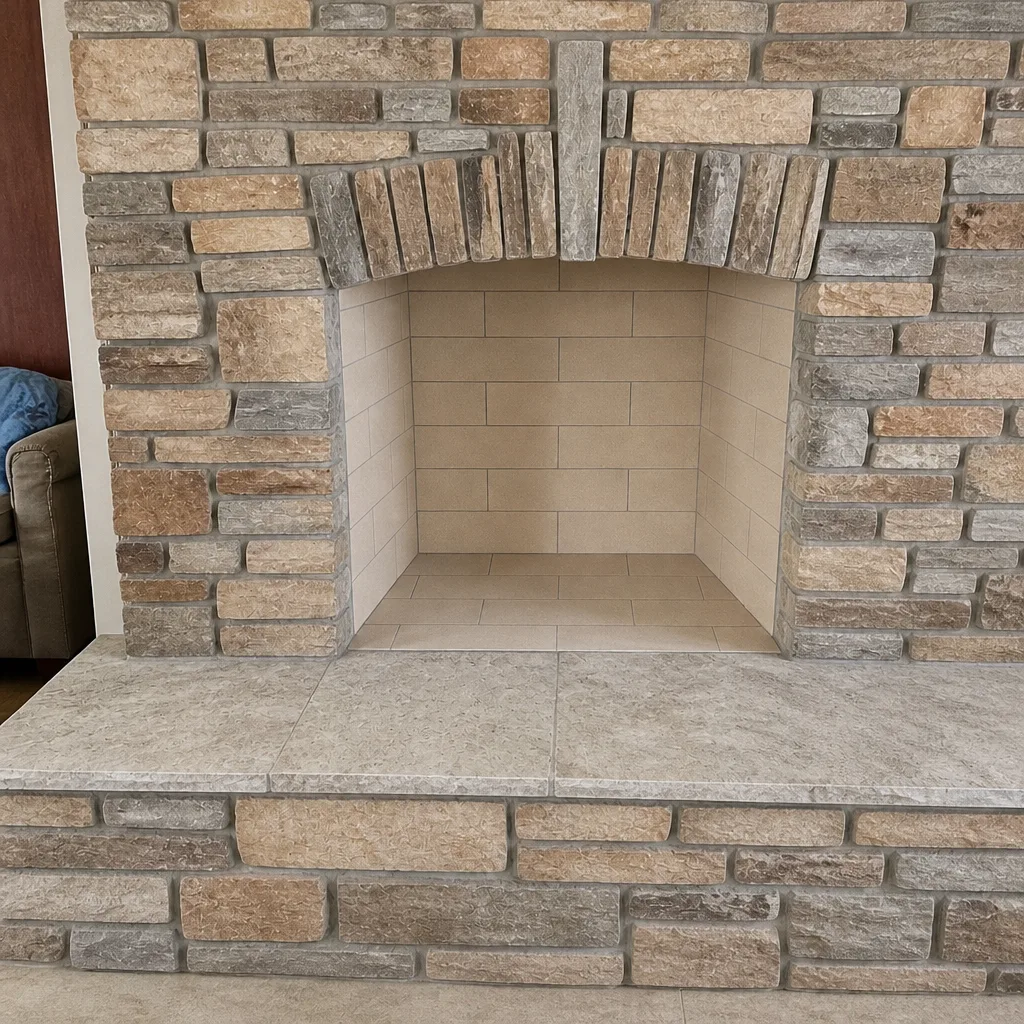
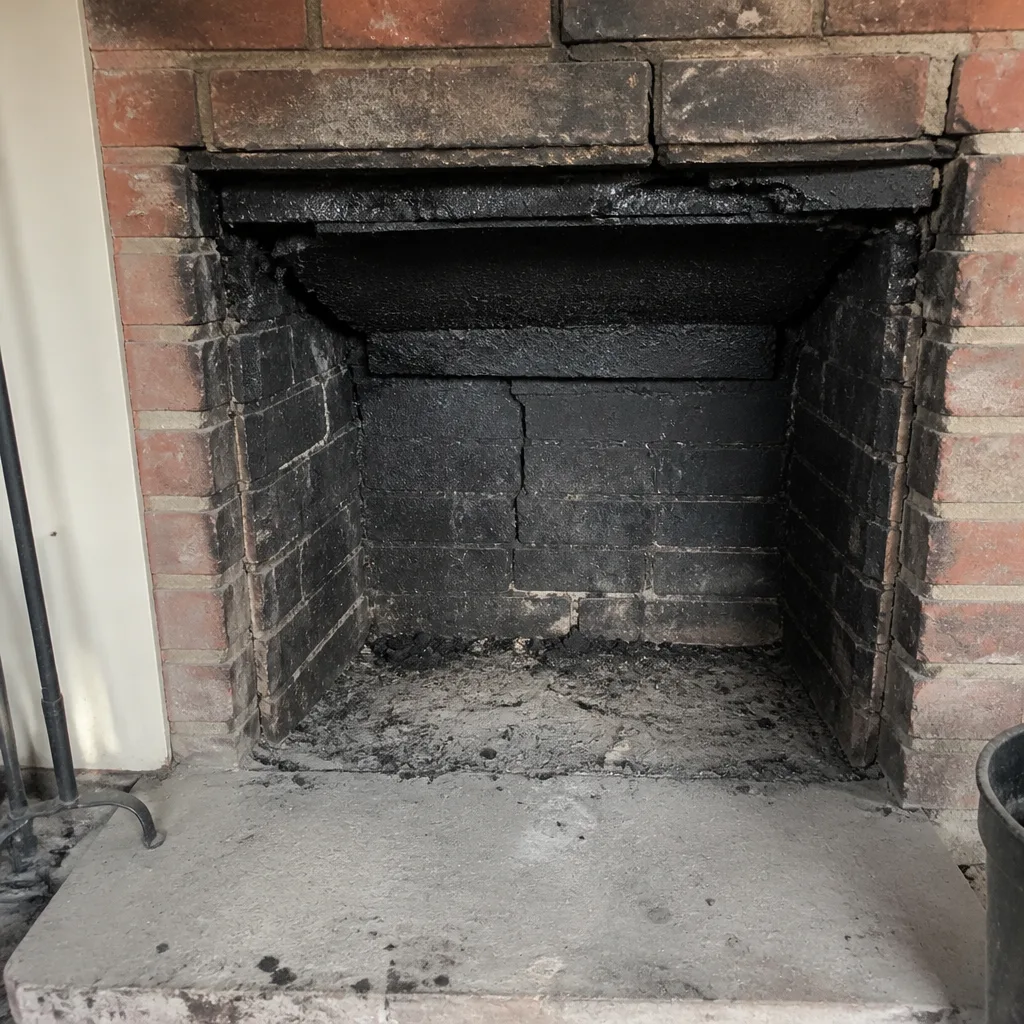
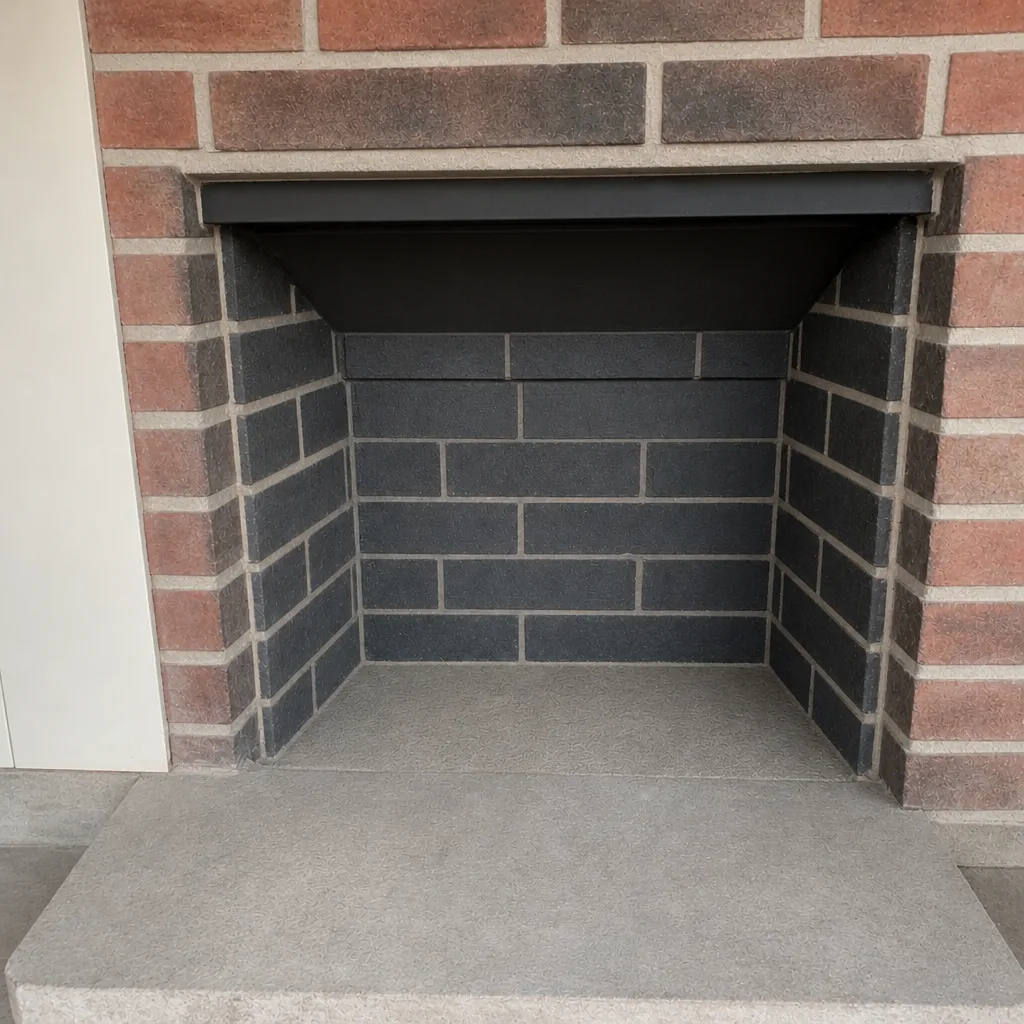
See the difference
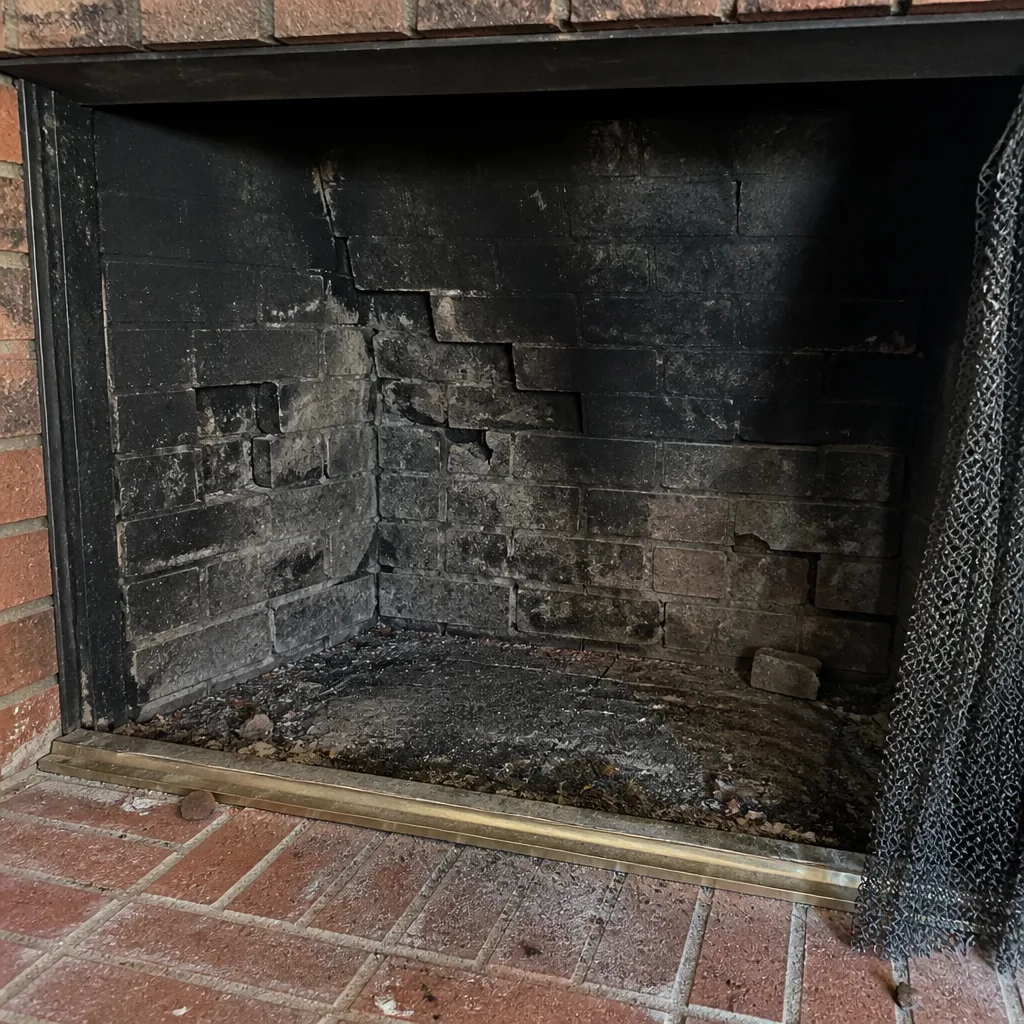 Before
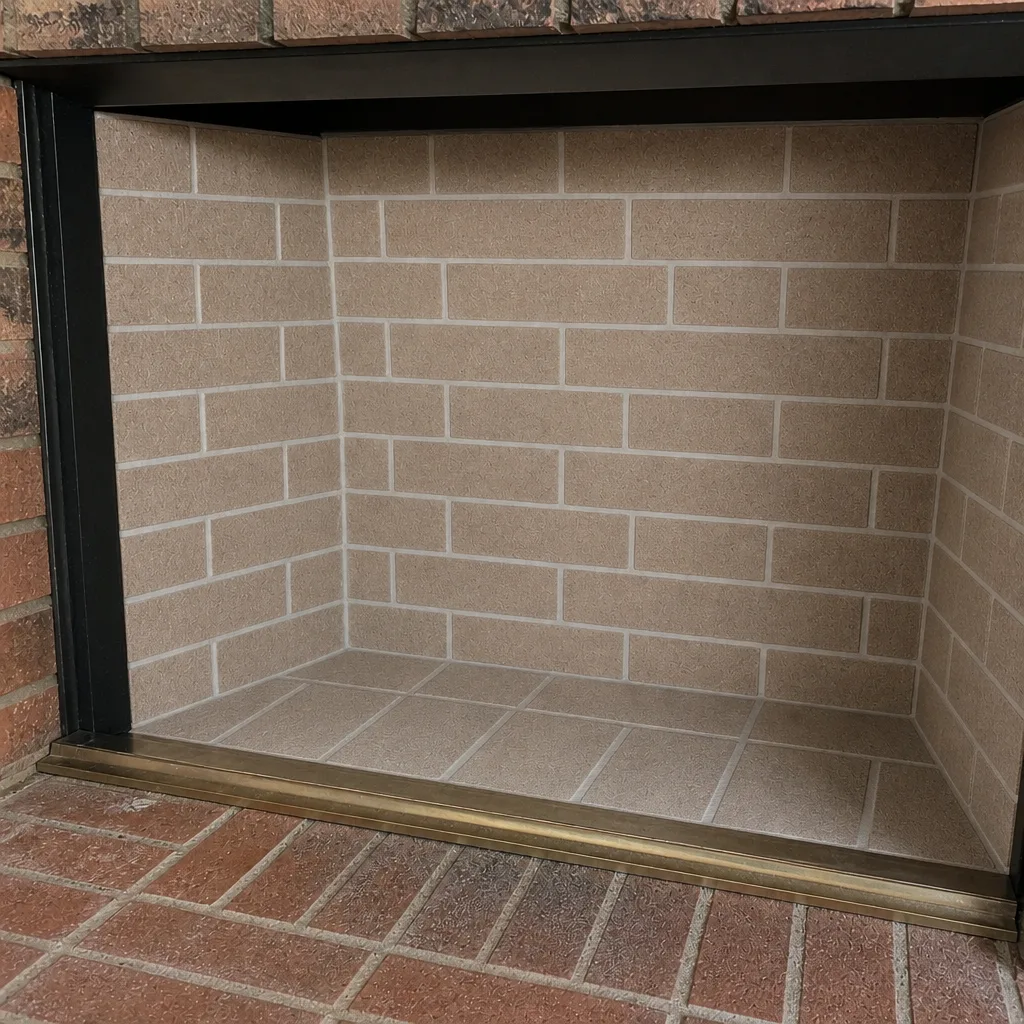 After
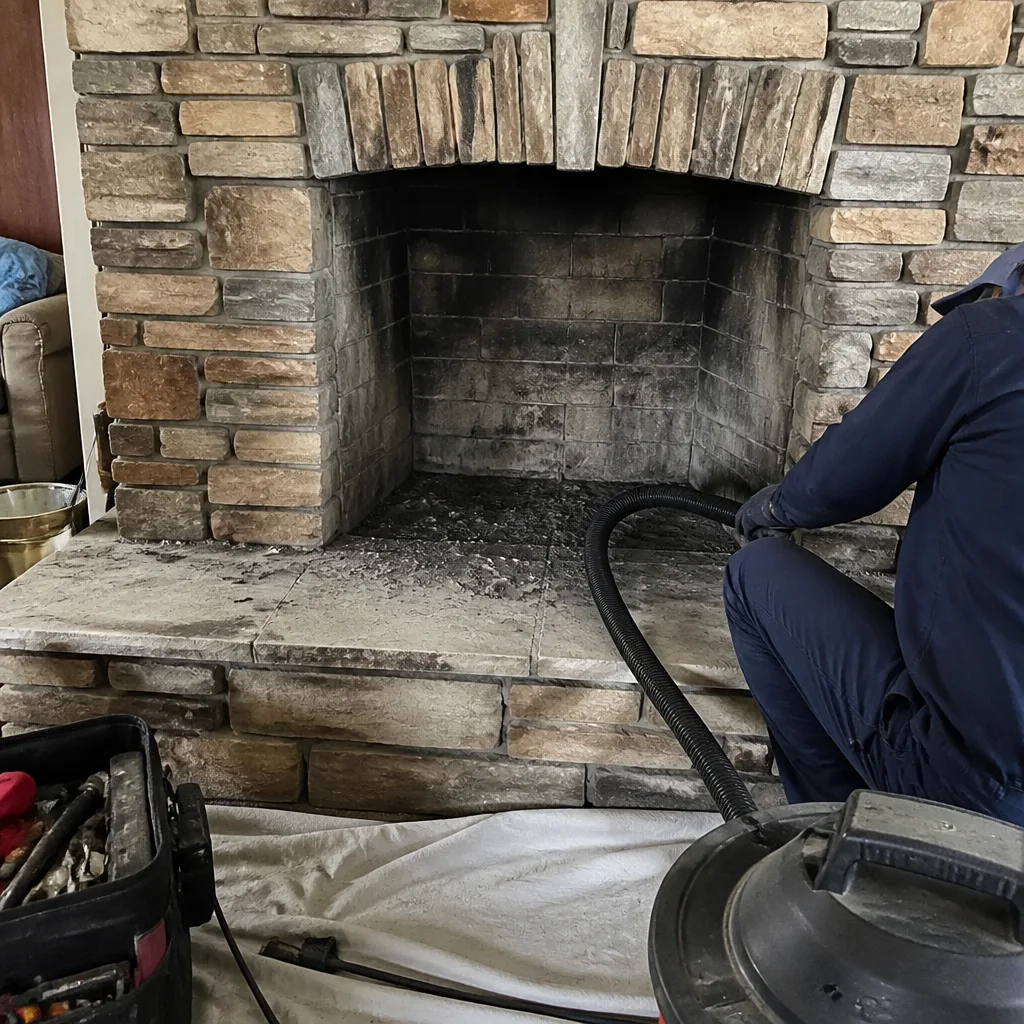 Before
 After
 Before
 After
When to Call a Professional
Call us before you sign anything on a chimney repair. Certainly before you sell the house and a buyer’s inspector starts asking about permits. Book a sweep if it’s been more than a season since the last one. Call if you notice a strong draft smell when the fireplace is cold, if smoke rolls back into the room, if a gas appliance was recently swapped in, or if you’ve had a chimney fire of any size. Call before the first cold snap, not after – the flue that’s been sitting dry all summer hasn’t been checked since it was last hot.
Whitman Chimney Cleaning offers free estimates in Spring Valley. We document what we find with camera evidence, we tell you plainly what can wait and what can’t, and we handle sweep, repair, and dryer vent under one roof so the paperwork is coordinated. Call (888) 344-4211. We answer 24/7. Fast dispatch from 7am to 7pm, Sunday through Friday.
Frequently Asked Questions
No. Routine chimney cleaning – sweeping soot and creosote out of the flue – is maintenance and doesn’t require a permit in Spring Valley or anywhere else in Clark County. The permit question only comes up when the work changes the chimney’s structure: a full liner replacement, firebox rebuild, chase work, or removal/addition of a wood-burning appliance. If a contractor tells you sweeping needs a permit, ask them to show you the code citation. Call (888) 344-4211 for a free estimate on a sweep or to discuss whether a repair needs a permit.
Nevada doesn’t require a Level 2 inspection by statute for the sale itself, but most real estate transactions involving a wood-burning fireplace will request documentation of the chimney’s condition, and a Level 2 report is what buyer-side inspectors typically ask for. It documents the flue from top to bottom with camera images and separates needed-now work from work that can wait. If you’re selling, get the Level 2 done before the buyer’s inspector finds something. Call (888) 344-4211 to schedule one.
Search their license number on the Nevada State Contractors Board website. Get the number in writing on the estimate first, then confirm the license is current, the classification covers the work, the legal name on the contract matches the licensed entity, and there are no disciplinary actions on file. Ask for a certificate of insurance for the work. Anyone doing chimney repair – not just cleaning – should show up clean on all of those. Call (888) 344-4211 for a free estimate with full license and insurance documentation.
You document the current condition with a Level 2 inspection, agree with the buyer or your contractor on what the code requirement actually is, and either legalize the existing work through a permit application with a current inspection or correct what doesn’t meet code. The county signs off, and the signed inspection becomes part of the transaction record. It’s a paperwork problem first and a physical problem second, and the inspection tells you which is which. Call (888) 344-4211 to schedule the inspection that starts the process.
Generally yes. A full liner replacement is structural work on the chimney system and typically requires a Clark County building permit with an inspection after the installation. HeatShield resurfacing can sometimes restore a deteriorated flue without a full replacement, and the permitting profile on a resurfacing job is often different. The right answer depends on the condition of your specific flue, which is why the inspection comes first. Call (888) 344-4211 for a free estimate and a straight answer on your flue.
Long dry summers followed by cool winters with intermittent burning mean our flues go through heavy thermal cycling – cold and idle for months, then hot and cooling repeatedly. That cycle cracks clay tile liners faster than a continuous-use climate does. Low humidity also spalls the crown and stack mortar, which lets water into the masonry below. Chimneys here age on a predictable schedule, and an inspection catches the wear early. Call (888) 344-4211 for a free estimate.
The Bottom Line
Routine sweeping is maintenance and needs no permit. Structural repair – liner replacement, firebox work, chase reconstruction – is construction, and in Clark County that means a permit. Nevada State Fire Marshal rules govern the safety standard, Clark County governs the construction paperwork, and a Level 2 inspection is the document that proves the condition either way. Verify the contractor’s Nevada State Contractors Board license before anyone is on the roof. Keep your permits and inspection reports in the closing file on any sale. If unpermitted work shows up, don’t panic – get it documented, then decide what the physical work actually requires.
The cost of doing it right the first time, with a permit and a licensed contractor and a documented inspection, is almost always smaller than the cost of finding unpermitted work during a buyer’s inspection.
Call (888) 344-4211 for a free estimate. We answer 24/7. Fast dispatch from 7am to 7pm, Sunday through Friday.
Written by the team at Whitman Chimney Cleaning.