
Last updated November 15, 2026
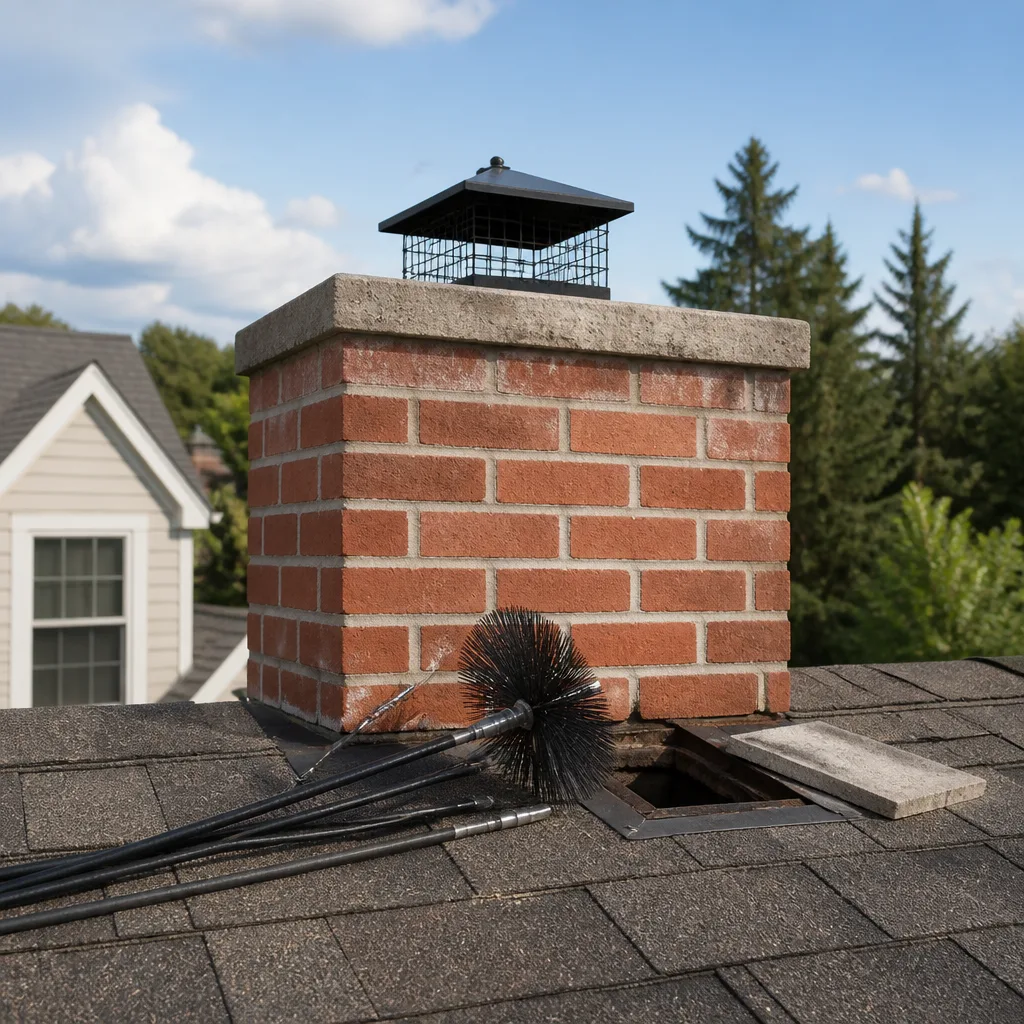 Sweep & inspection
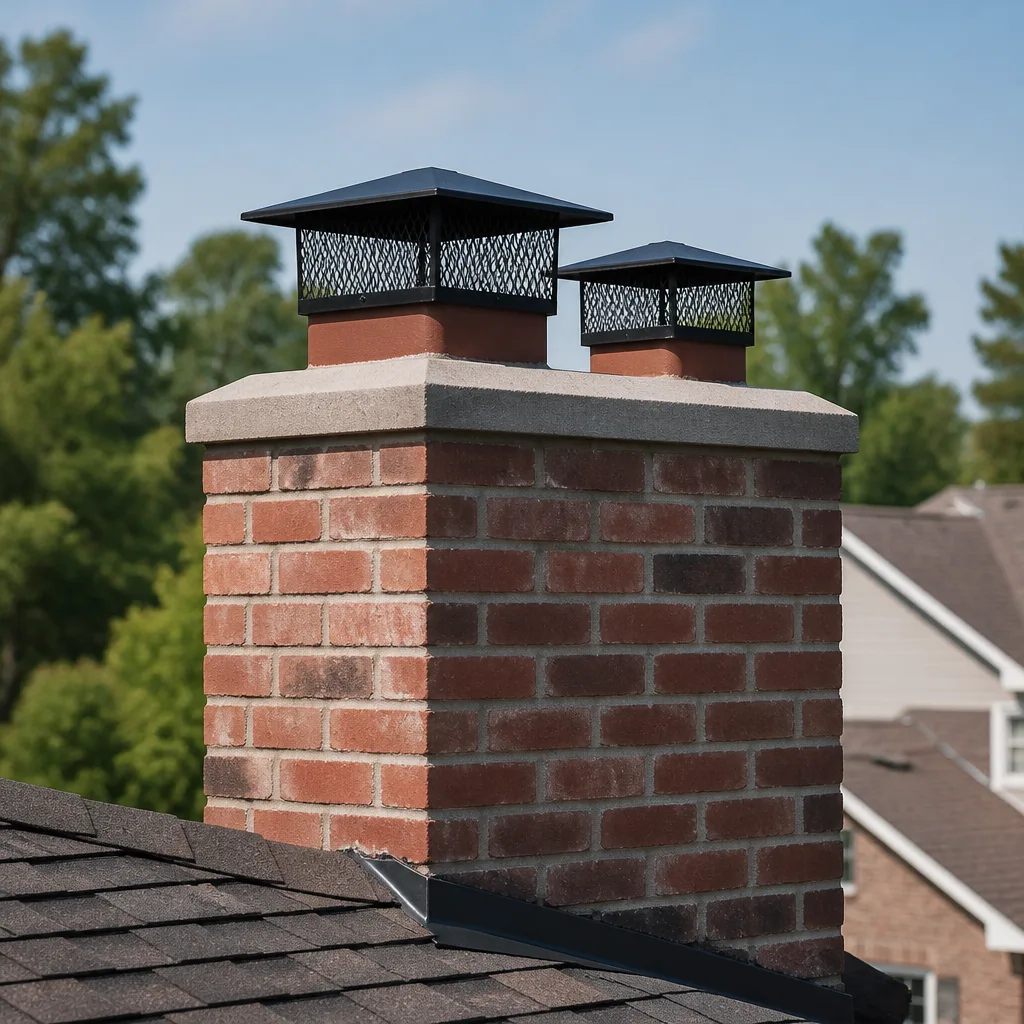 Caps & crowns
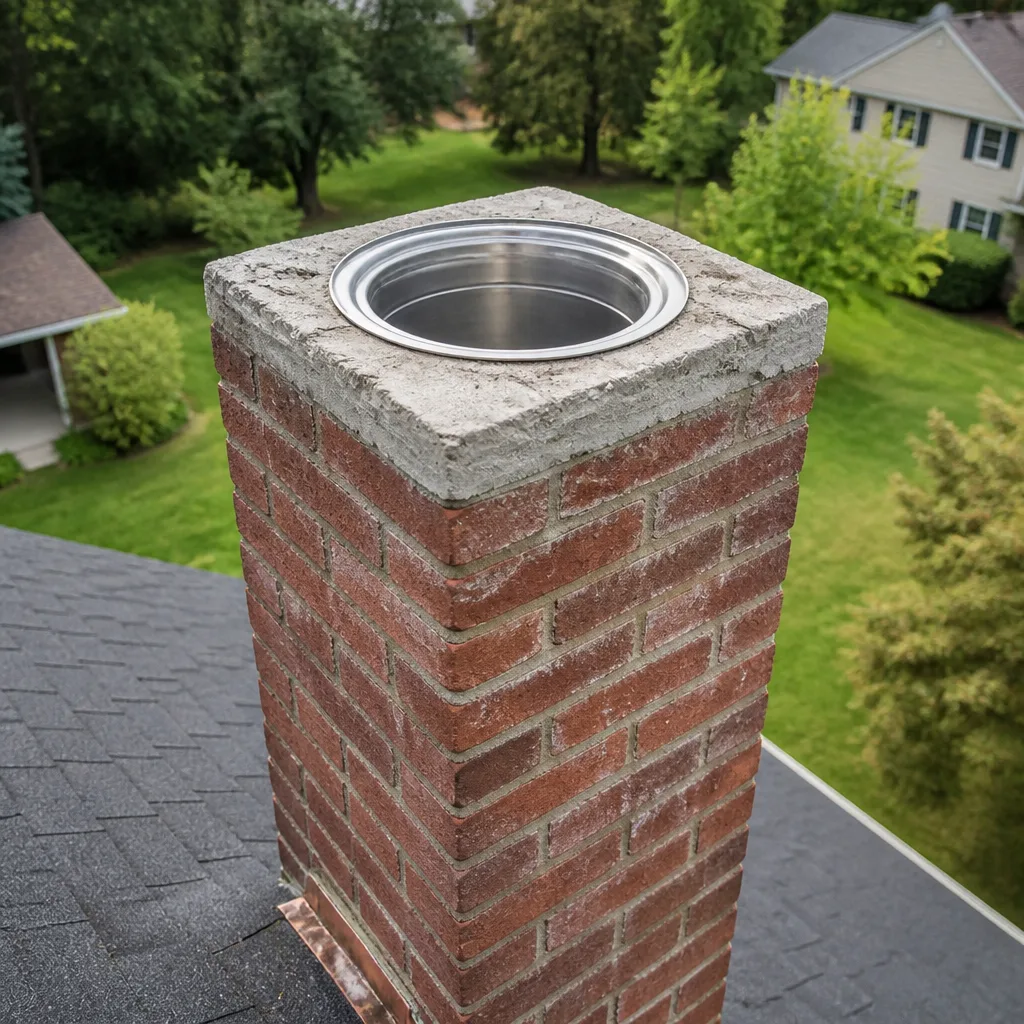 Flue relining
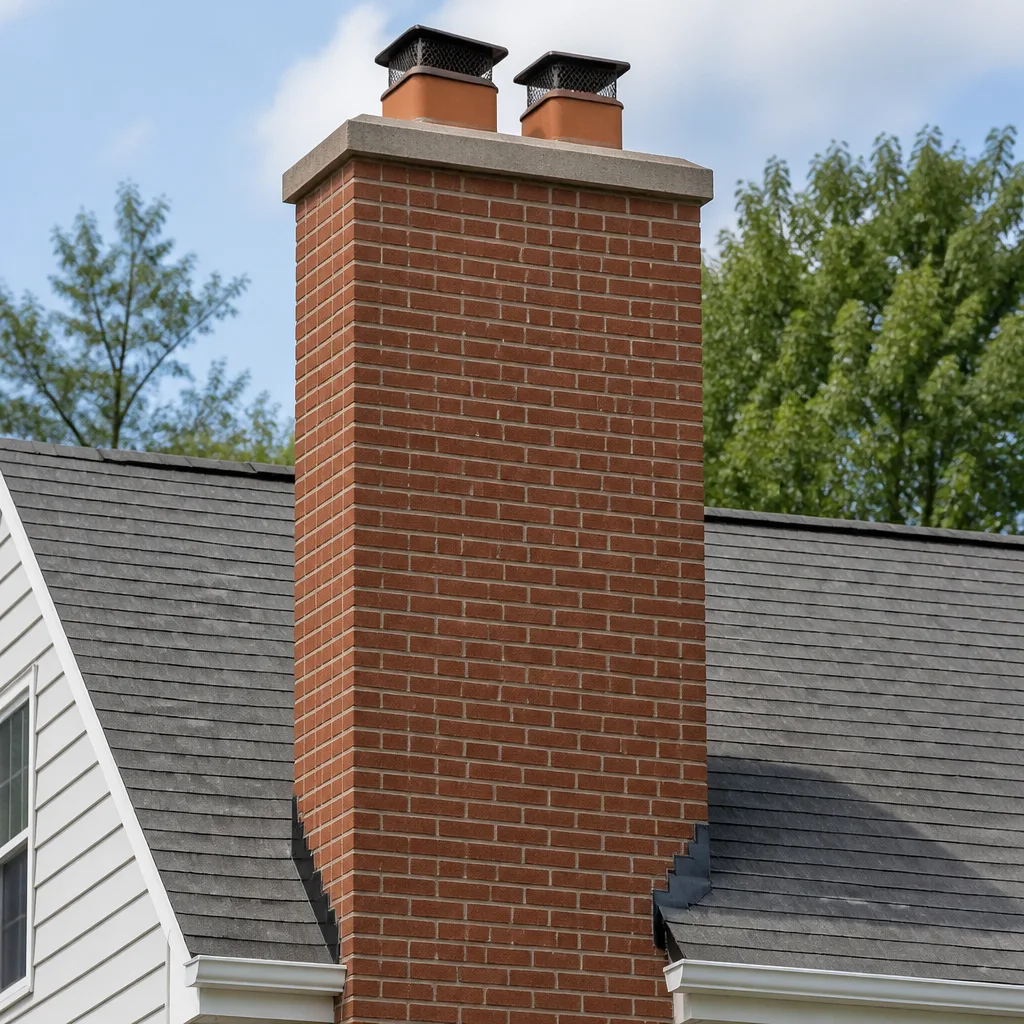 Masonry repair
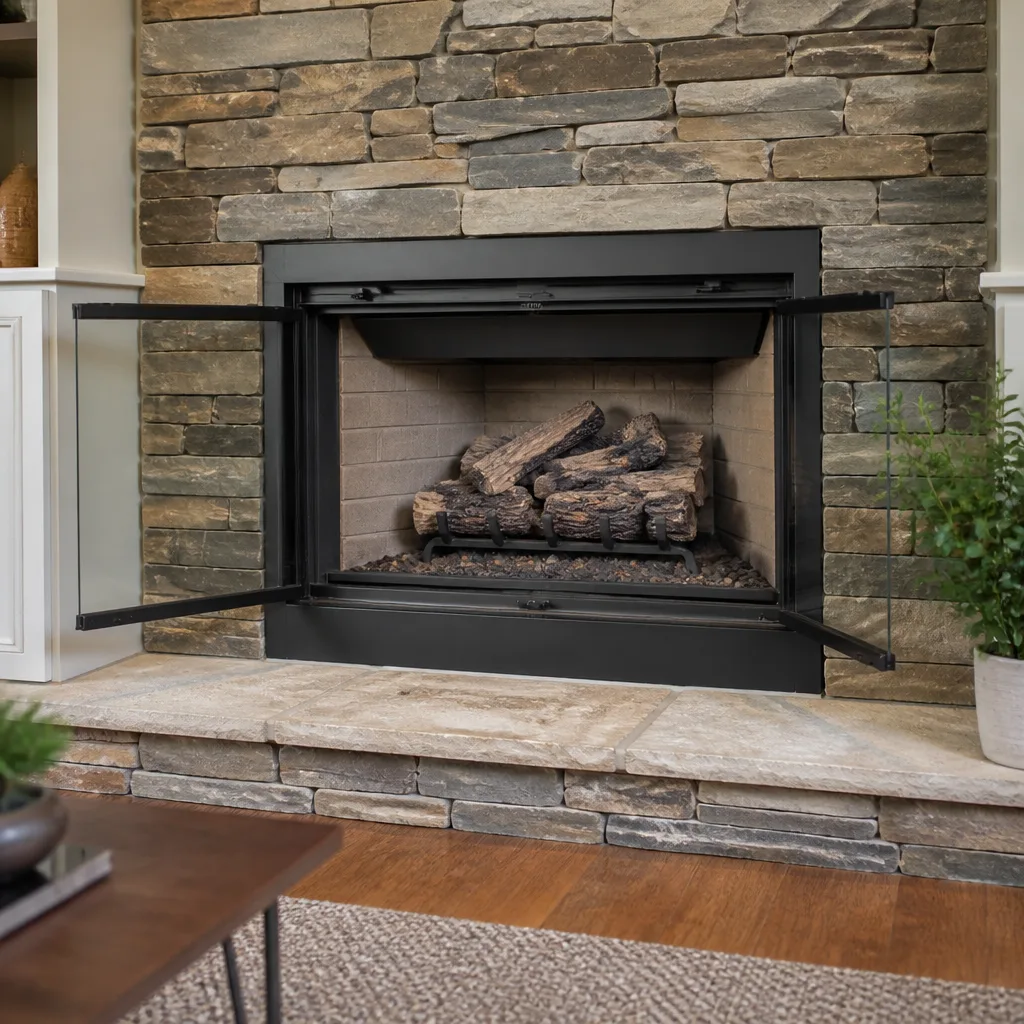 Gas fireplace service
Level 1 sweep and inspection to the NFPA 211 annual standard - flue, crown, cap, and flashing checked and photographed
Chimney sweep logs do not sweep chimneys. They loosen some creosote - which then falls where a brush and vacuum still have to collect it.
Choosing the Right Chimney Cleaning Brand: A Buyer’s Guide for Spring Valley
There’s no such thing as a universal chimney cap. There are stamped galvanized caps that rust through after a few harsh desert seasons, and there are stainless steel caps built to outlast the flue they sit on. When you ask a contractor “what brand are you installing?” the answer tells you which world you’re dealing with. This guide covers the product categories where brand choice genuinely matters for Spring Valley homeowners: chimney caps, liner systems, crown coatings, and smoke chamber resurfacing compounds. You’ll learn why professional suppliers exist apart from consumer retail, how to ask about materials without sounding adversarial, and what a confident answer sounds like. Spring Valley homes sit in a demanding climate, and the right materials matter here more than most places.
Quick Answer
The right chimney cleaning and repair brand is one that uses professional-grade, job-matched materials from recognized suppliers rather than generic hardware-store substitutes. In Spring Valley, that means specifying stainless steel caps and components rated for intense UV, heavy thermal cycling, and occasional freeze-thaw, plus liner systems chosen for your specific flue rather than a one-size default. Ask any contractor what brand of cap, liner, and coating they use, and why. A confident answer names the product and the reason. A vague answer tells you plenty.
Styles & brands we work with
- Sweep & inspection
- Caps & crowns
- Flue relining
- Masonry repair
- Gas fireplace service
Table of Contents
- Why Chimney Brands Matter More Than Most Homeowners Realize
- The Four Product Categories Where Brand Choice Actually Matters
- Why Professional Suppliers Operate Apart From Retail
- Stainless Steel vs. Galvanized in Spring Valley’s Climate
- What “Professional-Grade” Actually Means Structurally
- How to Ask a Contractor About Materials Without Sounding Adversarial
- What to Ask For By Name
- Reading Your Own Chimney in Spring Valley
Why Chimney Brands Matter More Than Most Homeowners Realize
When people think about hiring a chimney professional, they usually focus on labor: does the technician sweep thoroughly, do they clean up, are they careful on the roof. All of that matters. But the products that go into and onto your chimney often determine how long a repair lasts, and those products are invisible once the job is done. A cap that fails in three years costs you the cap plus the water damage it lets in. A liner that wasn’t matched to your flue can perform poorly or need replacing far sooner than it should.
That’s why the brand question is worth asking. It separates contractors who think in terms of materials from contractors who think only in terms of hours. In our experience, the technicians who can tell you exactly which liner system they’d use in your flue, and why, are the same ones who do careful work. Material knowledge and workmanship tend to travel together.
For Spring Valley homeowners, this matters because the local climate is unforgiving. Intense sun, big temperature swings between day and night, dry summers, and the occasional freezing stretch all push chimney components hard. A product that holds up in a mild coastal climate may not hold up here. The brand and material grade are your best indicators of how a component will age under Spring Valley conditions.
There’s a second reason brand choice matters: continuity. When the same company that diagnoses a problem also handles the repair, and stocks professional materials to do it, you avoid the handoff where information gets lost. Whitman Chimney Cleaning works this way, pairing the sweep with the repair under one company.
The Four Product Categories Where Brand Choice Actually Matters
Not every chimney product is worth scrutinizing. Some parts are simple and interchangeable. But four categories carry most of the performance risk, and these are the ones to ask about specifically.
1. Chimney Caps and Vent Covers
The cap is the chimney’s first line of defense against rain, animals, and debris. A cheap galvanized cap can rust through relatively quickly in a hot, sunny climate, and once it’s compromised, water gets into the flue. Professional caps are typically stainless steel or heavy-gauge construction, with animal guards and spark screens built to hold up. Brands like Gelco and Famco supply caps designed for real weather exposure, not the thinnest option at the hardware store.
2. Liner Systems
The liner is the flue’s inner wall, and it’s the single most important safety component in a wood-burning chimney. Flexible liner systems such as DuraFlex are built to handle the heat and corrosive byproducts of combustion while fitting the bends and offsets of a real chimney. Liner brand and material grade determine both safety and service life.
3. Crown Coatings
The crown is the concrete surface on top of the chimney that sheds water away from the masonry. Crowns crack, and when they do, water finds its way in. Crown coating products are formulated to seal and protect that surface. Quality coatings flex with the masonry through thermal cycling, which is exactly what Spring Valley’s temperature swings demand.
4. Smoke Chamber Resurfacing Compounds
The smoke chamber is the sloped area above the damper that funnels smoke into the flue. Rough, deteriorated surfaces here slow smoke and collect creosote. Resurfacing compounds smooth that surface. HeatShield is a recognized system for resurfacing and restoring flues and smoke chambers, and it lets a technician repair deteriorated mortar and tile without tearing the whole flue out.
These four categories are where the material question pays off. Ask about each one and listen to how specific the answer is.
Why Professional Suppliers Operate Apart From Retail
You can buy a chimney cap at a hardware store. What you can’t easily buy there is a cap that’s been engineered and tested for the loads a real chimney sees, with a warranty that means something. That gap is why professional suppliers exist as a separate channel.
Companies like Olympia Chimney, HeatShield, Gelco, Famco, and Copperfield supply the trade, not the retail shelf. Their products are specified by people who install them regularly and who’ve seen what fails. That separation has practical consequences:
- Specification support. Professional suppliers help contractors match a product to a specific flue, climate, and fuel type. A retail shelf can’t do that.
- Consistent material grades. Trade suppliers publish the gauge, alloy, and coating on their components. Retail packaging often doesn’t.
- Warranty terms written for real use. Professional products carry warranties tied to proper installation by a qualified installer, which is a meaningful distinction.
- Accountability. A contractor who buys through professional channels has a relationship with the supplier and a reason to install correctly.
This is the practical meaning of professional-grade materials, not hardware-store substitutes. It’s not about snobbery. It’s about the difference between a component engineered for the job and one engineered for the price tag.
Stainless Steel vs. Galvanized in Spring Valley’s Climate
This is the comparison Spring Valley homeowners should understand best, because the local climate punishes the wrong choice. Galvanized steel is coated with zinc to resist rust. Stainless steel resists corrosion throughout its thickness. In a mild climate with moderate sun, galvanized can last a reasonable while. In Spring Valley, the conditions are harder on it.
UV Exposure
The high-desert sun is relentless. Constant UV exposure breaks down coatings over time, and once a galvanized coating is compromised, rust starts and spreads. Stainless steel doesn’t depend on a coating, so UV doesn’t have the same effect on it.
Thermal Cycling
Spring Valley sees wide swings between daytime heat and cool nights. Every cycle expands and contracts metal components slightly. Over years, that cycling stresses coatings and seams. Components built for thermal cycling hold up better, and stainless steel handles it without a coating to crack.
Occasional Freeze-Thaw
Winter nights here can drop below freezing, and daytime temperatures climb back above it. Water that gets into seams or cracks can freeze, expand, and work the material apart. A cap or component with poor seams or a failing coating is more vulnerable to this cycle.
The Practical Takeaway
For a Spring Valley chimney, stainless steel components are the safer bet over the long run, especially for caps and any part exposed to weather. The upfront difference in cost is usually smaller than the cost of replacing a failed galvanized part early. Ask your contractor which material they’re specifying and why. A good answer will reference the local climate directly.
What “Professional-Grade” Actually Means Structurally
“Professional-grade” gets thrown around as a marketing label. Structurally, it means specific, checkable things. When a contractor says a product is professional-grade, here’s what should actually be true.
- Material gauge is specified. A cap or component should state its steel gauge or thickness. Thicker isn’t always better, but a published specification means the maker is accountable for it.
- Alloy is named. Stainless steel grades matter. A product that names its alloy is telling you it’s engineered, not improvised.
- Coating type is disclosed. For coated products, the coating chemistry and application method should be known to the installer, because that determines how it ages.
- Warranty terms are real. A meaningful warranty specifies the period, what’s covered, and the installation conditions required. A vague “lifetime” claim without terms isn’t a warranty, it’s a slogan.
- The product is matched to the application. Professional-grade means the right system for your flue, not the most expensive one on the shelf.
When you ask a contractor what makes a product professional-grade, a strong answer will touch on gauge, alloy, coating, and warranty. A weak answer will repeat the phrase back at you. In our experience, the difference is easy to hear.
How to Ask a Contractor About Materials Without Sounding Adversarial
Most homeowners worry that asking pointed questions will come across as distrustful. It doesn’t have to. The framing matters. You’re not interrogating anyone; you’re asking a professional to explain their choices, which is a normal part of any good contracting conversation.
Here’s a simple sequence that works:
- Start with curiosity. “I’m trying to understand what goes into a job like this. What brand of cap would you use on my chimney, and why that one?”
- Ask about the flue specifically. “How do you decide which liner system fits my flue?” This invites the contractor to talk about matching rather than defaulting.
- Ask about materials in plain terms. “Is that stainless or galvanized?” and “What’s the warranty on that component?” are fair, easy questions.
- Ask what happens if something fails. “If that cap fails in a few years, what does the warranty cover?” A confident contractor welcomes this.
- Listen for specificity. A strong answer names a brand, a material, and a reason. A weak answer stays general.
What a confident answer sounds like: “For your flue, we’d use a DuraFlex flexible liner because of the offset in your chimney, and a stainless cap because of the sun exposure here in Spring Valley. The cap warranty covers the finish for a set period, and we’d document the install.” That answer tells you the contractor knows the products, the climate, and the job.
What a weak answer sounds like: “We use good quality materials.” That tells you nothing, and it’s the answer to be wary of.
What If the Contractor Can’t Answer?
Sometimes a contractor genuinely doesn’t know a product’s specification offhand. That’s fine if they offer to find out. What you don’t want is a contractor who brushes the question aside or can’t name a single brand they work with. Material sourcing is a basic part of the trade, and a technician who handles repair work should be able to talk about it.
What to Ask For By Name
You don’t need to become a chimney products expert to ask the right questions. You need a short list of names and categories, and the confidence to use them. Here’s what to ask for by name, and why each one earns its place.
HeatShield for Flue Resurfacing
If your flue has deteriorated mortar or cracked tile, ask whether HeatShield resurfacing is an option. HeatShield is a recognized system for restoring a flue’s interior surface without a full tear-out, which can save significant disruption. Not every flue qualifies, but the question is worth asking because it opens a repair path that sweep-only providers often can’t offer.
DuraFlex for Flexible Liners
When a liner is needed, ask about the flexible liner system. DuraFlex is a recognized flexible liner brand, and a contractor who installs it can explain how it’s sized to your flue. The liner is the safety-critical component, so knowing the brand is reasonable.
Gelco and Famco for Caps and Vent Covers
For chimney caps and vent covers, Gelco and Famco product lines are worth asking about by name. These are trade suppliers whose caps are built for weather exposure. Ask which one the contractor would specify for your chimney and why.
Olympia Chimney and Copperfield
Olympia Chimney and Copperfield supply professional chimney and venting components. If a contractor mentions these brands, it’s a sign they’re sourcing through professional channels. You don’t need to specify these yourself, but it’s useful to recognize the names when you hear them.
When you call chimney sweep providers in Spring Valley, ask which of these brands they work with. The answer will tell you a lot about how they approach the job.
Reading Your Own Chimney in Spring Valley
You don’t need to climb on the roof to get a read on your chimney’s condition. A few checks from the ground and the firebox will tell you whether a professional visit is worth scheduling, and give you specific things to ask about when you call.
From the Ground
- Look at the cap. Is it rusted, bent, or missing spark screen? Does it sit flat and secure?
- Check the crown. Look for visible cracks in the concrete on top. A cracked crown lets water in.
- Look at the masonry. Missing mortar joints, spalling brick, or white staining suggest moisture problems.
- Check for staining. Dark streaks on the exterior masonry can point to water or creosote issues.
From Inside
- Open the damper and look up. Visible creosote buildup, especially the shiny, glazed kind, means it’s time for a sweep.
- Check the firebox. Cracked firebrick or deteriorated mortar in the firebox is a repair signal.
- Notice smoke. A fireplace that smokes into the room instead of drafting up may have a smoke chamber or flue problem.
These checks give you vocabulary. When you call, you can say “the crown looks cracked” or “there’s glazed creosote visible,” and the conversation gets more productive. In Spring Valley, where the sun and temperature swings are hard on exterior components, these checks are worth doing at least once a year.
Dryer vents deserve the same attention. The NFPA identifies dryer vent fires as responsible for thousands of U.S. residential fires each year, and lint buildup is the reason. Pairing a dryer vent cleaning with your chimney sweep means two of the leading household fire hazards get addressed in one visit. That’s a practical reason to ask about both services when you book.
Common Mistakes to Avoid
- Choosing on price alone. The lowest quote often means the thinnest materials. Ask what cap and liner brand is included before you compare numbers. A cheap galvanized cap in Spring Valley’s sun may cost more over its short life than a stainless one.
- Not asking what brand is being installed. If a contractor can’t name the product going onto your chimney, you don’t know what you’re buying. Ask before the job, not after.
- Assuming “lifetime warranty” means what it sounds like. Lifetime claims without terms aren’t meaningful. Ask what period, what’s covered, and what installation conditions the warranty requires.
- Letting a general handyman handle chimney repair. Chimney work combines high heat, combustion byproducts, and structural masonry. A generalist dabbling in it may not know the product lines or the code requirements. Ask whether the company handles repair, not just sweeping.
- Skipping the dryer vent. A chimney sweep doesn’t clean the dryer vent, and a dryer vent fire risk doesn’t go away because the chimney is clean. Ask for both when you book.
- Ignoring exterior warning signs. A cracked crown or rusted cap is easy to notice from the ground and easy to postpone. In Spring Valley, a cracked crown exposed to sun and freeze-thaw cycles tends to get worse, not better.
- Booking a sweep without asking about repair capability. If the sweep finds deterioration, you want the same company to be able to handle the repair path, including resurfacing options like HeatShield. Ask upfront.
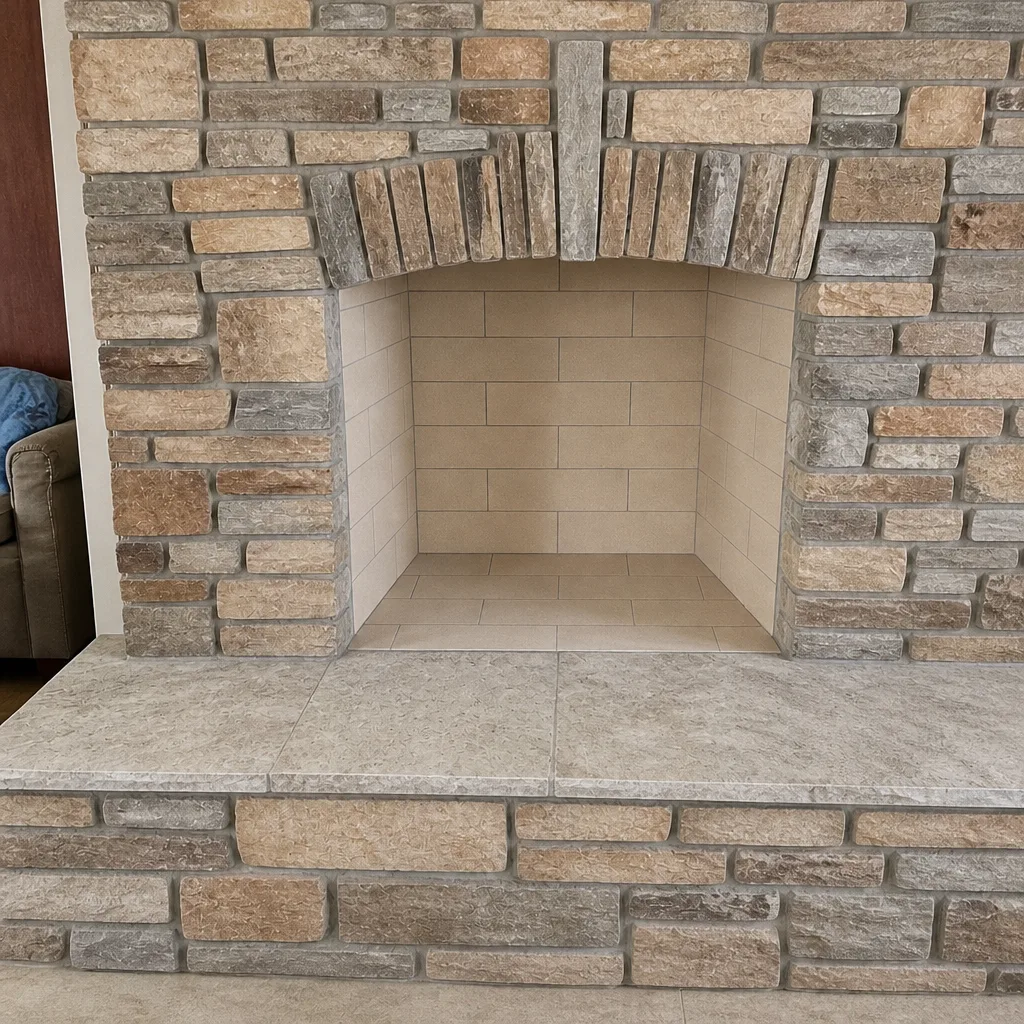
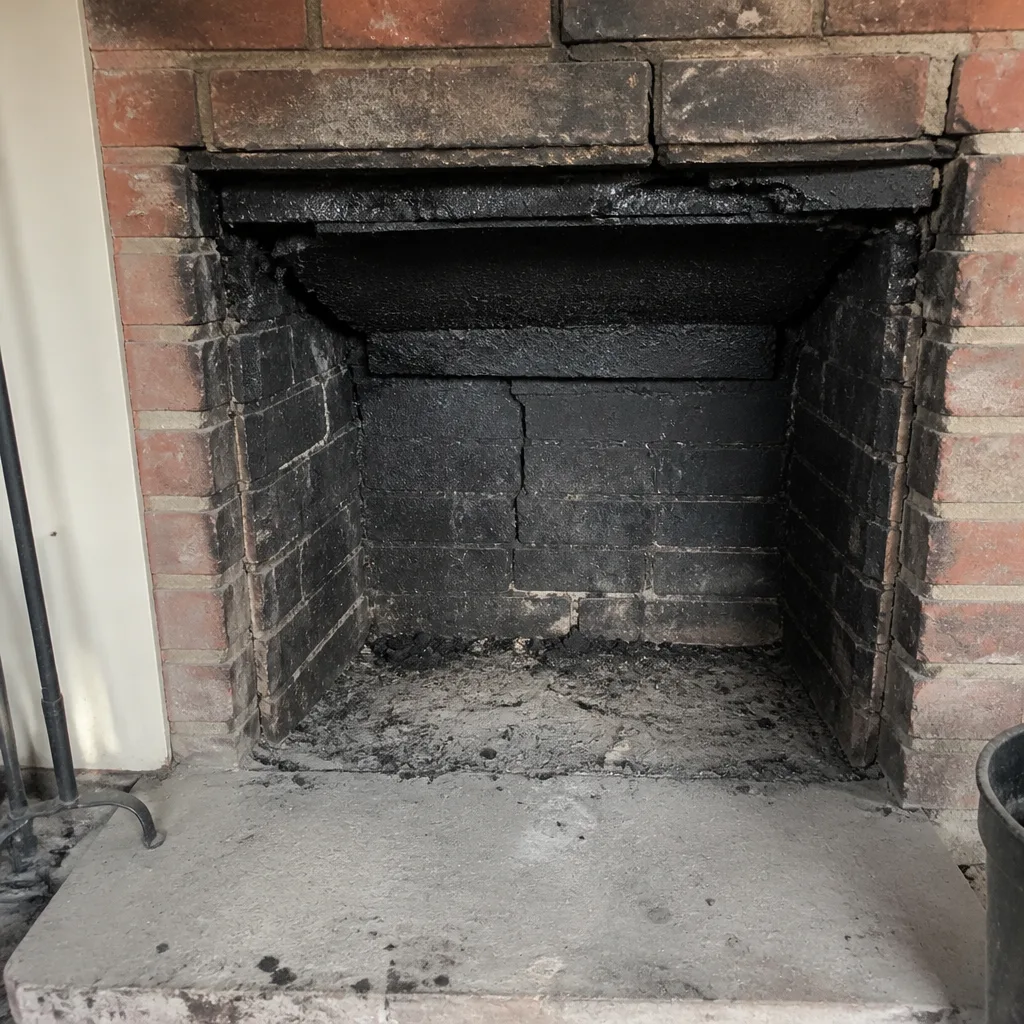
See the difference
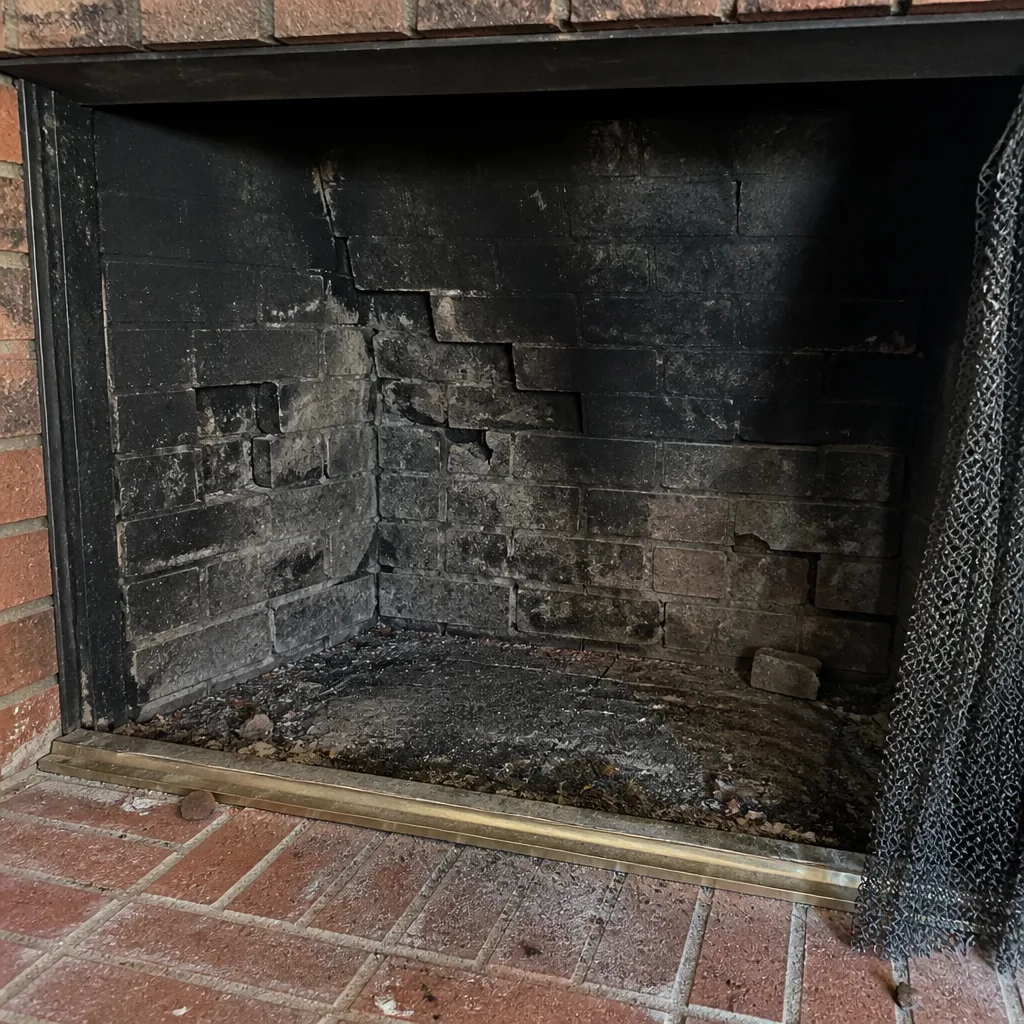 Before
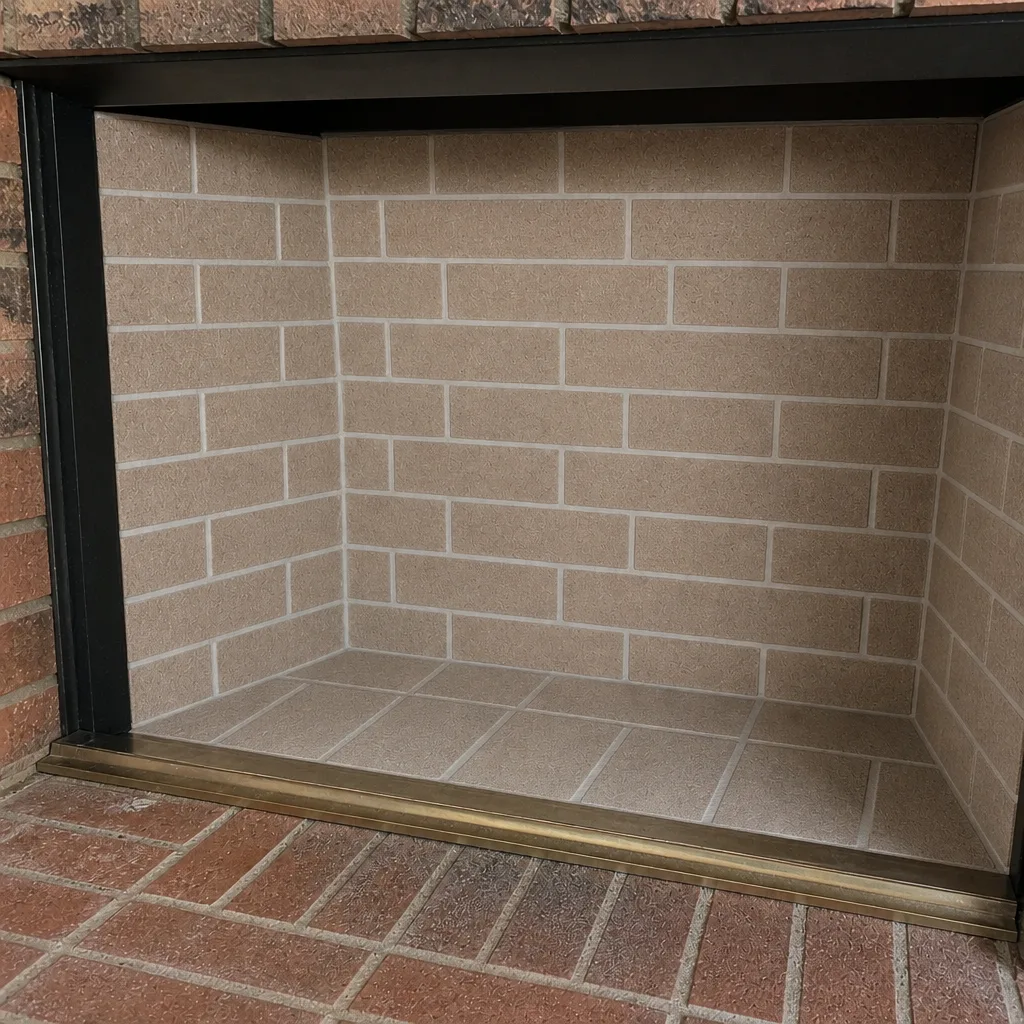 After
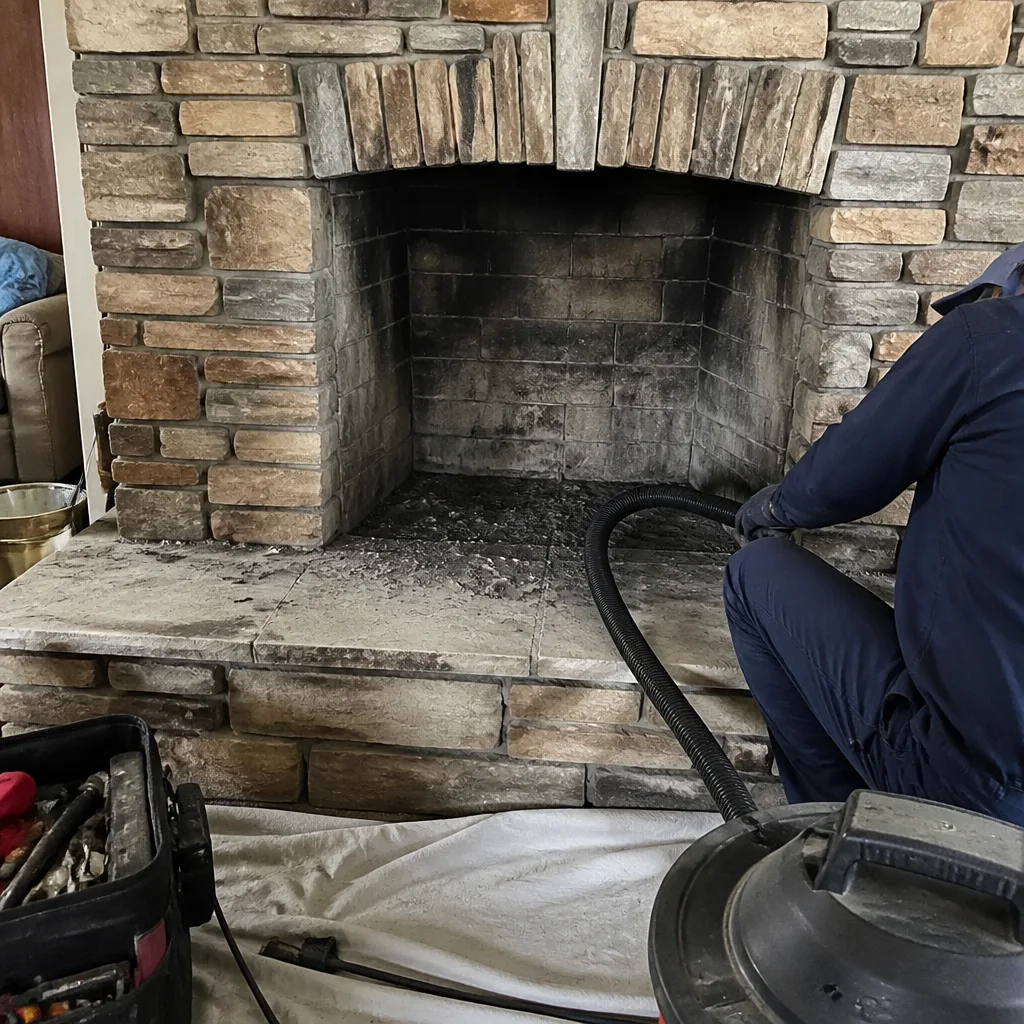 Before
 After
 Before
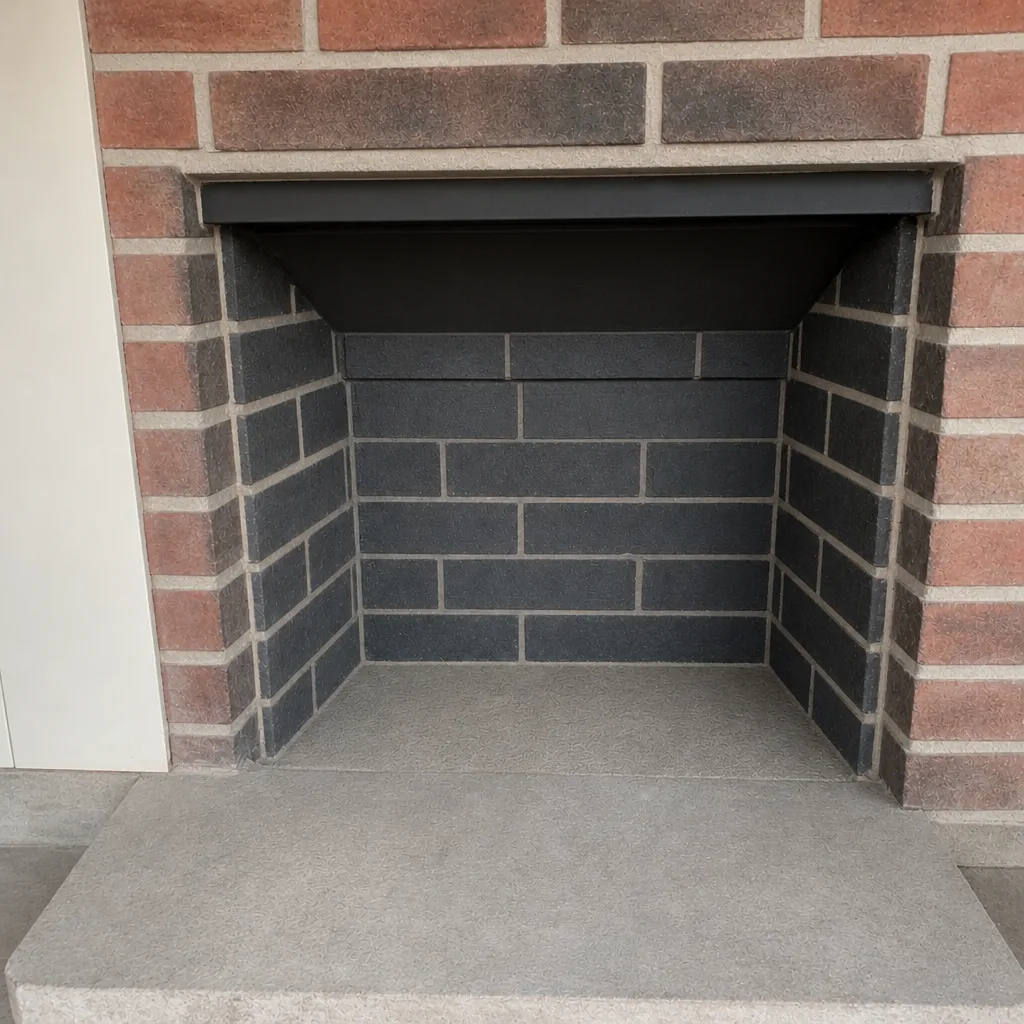 After
When to Call a Professional
Some chimney work is routine, and some is a genuine safety matter. Call a professional when you see glazed creosote in the flue, because that’s the kind that fuels chimney fires and it takes proper equipment to remove. Call when the cap is damaged or missing, since it’s the chimney’s weather barrier. Call when you notice cracked masonry, a deteriorating crown, or staining on the exterior. Call if smoke backs into the room, if you smell a strong draft or creosote odor, or if your dryer is taking longer than it used to and the vent hasn’t been cleaned. Call if it’s been a while since the last sweep and you burn wood regularly. None of these need to be a panic; most are routine scheduling decisions. But they’re all reasons to get a qualified set of eyes on the chimney.
Whitman Chimney Cleaning offers free estimates in Spring Valley. Call (888) 344-4211. We answer 24/7. Fast dispatch from 7am to 7pm, Sunday through Friday.
A quick note on the dangerous parts. The high-tension springs and cables on a garage door are not a chimney topic, but the principle is the same: the components under load are the ones that hurt people. For chimneys, the danger is different but real. Glazed creosote in a flue can ignite, and a blocked or damaged flue can let carbon monoxide into the home. Never try to inspect or work inside a flue yourself, and never run a wood-burning appliance with a damaged liner. Our technicians have up to 14 years of experience with this equipment, and the work needs the right tools and training.
Frequently Asked Questions
A stainless steel cap from a professional supplier like Gelco or Famco is the stronger choice in Spring Valley because of the intense UV and thermal cycling here. Galvanized caps can rust through faster in this climate. Ask your contractor which brand they’re specifying and what warranty it carries.
A liner is needed when the existing flue is damaged, unlined, or unsuitable for the appliance, and a trained technician should show you the reason, not just say it. Ask to see the inspection findings and understand why a liner is recommended. If the flue is sound, you shouldn’t be sold a liner. Call (888) 344-4211 for an exact quote and a clear explanation.
HeatShield resurfacing restores a deteriorated flue’s interior without removing the existing tile, while a full relining replaces the flue’s inner wall with a new liner system. HeatShield can be the less disruptive option when the flue qualifies. A technician should explain which path fits your chimney and why.
Most wood-burning chimneys should be swept annually, and more often if you burn heavily. Spring Valley’s dry climate doesn’t change the creosote buildup inside the flue, so the annual pattern holds. Schedule before the burning season starts.
Creosote keeps building up, and glazed creosote is the flammable kind that fuels chimney fires. A blocked or restricted flue can also push combustion gases back into the home instead of up and out. Skipping a sweep doesn’t cause a problem on a schedule, but the risk grows over time. Call (888) 344-4211 to book a sweep and get an honest read on your flue.
It should, and that’s the advantage of working with a full-scope provider. A company that can sweep, diagnose, and repair, including HeatShield resurfacing and DuraFlex lining, avoids the handoff where information gets lost. Whitman Chimney Cleaning handles all three service lines: chimney sweep, chimney repair, and dryer vent cleaning.
The high-desert sun and wide day-to-night temperature swings are hard on coatings. UV breaks down galvanized zinc over time, and thermal cycling stresses seams. Stainless steel doesn’t rely on a coating, so it ages differently under the same conditions.
Structurally, it should mean the material gauge, alloy, and coating are specified, and the warranty has real terms. If a contractor can’t tell you those details, the label isn’t doing any work. Ask for the specifics.
The Bottom Line
The chimney products installed on your home matter as much as the labor. Ask any contractor what brand of cap, liner, and coating they use, and why. A confident answer names the product and the reason; a vague answer tells you plenty. In Spring Valley, the climate rewards stainless steel components and professional-grade materials over the cheapest option, because sun, thermal cycling, and occasional freeze-thaw are hard on anything less. Look for a company that handles sweep, repair, and dryer vent cleaning together, and that sources through professional suppliers like DuraFlex, HeatShield, Gelco, Famco, Olympia Chimney, and Copperfield. The right materials, matched to your flue, are what make a repair last.
If you’re ready to talk through your chimney, call (888) 344-4211 for a free estimate. We answer 24/7. Fast dispatch from 7am to 7pm, Sunday through Friday. We’ll walk you through the material choices for your flue and give you a written estimate before any work begins.
Written by the team at Whitman Chimney Cleaning.