
Last updated November 15, 2026
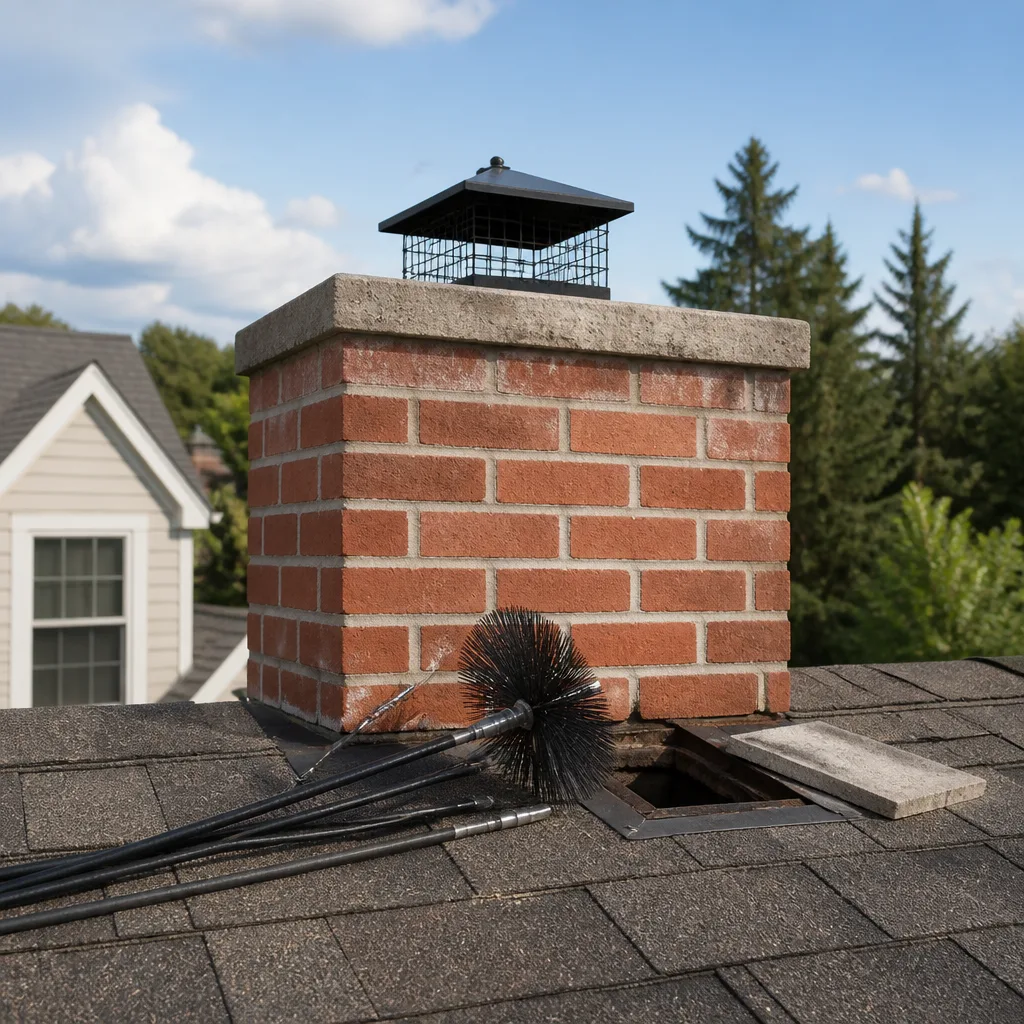 Sweep & inspection
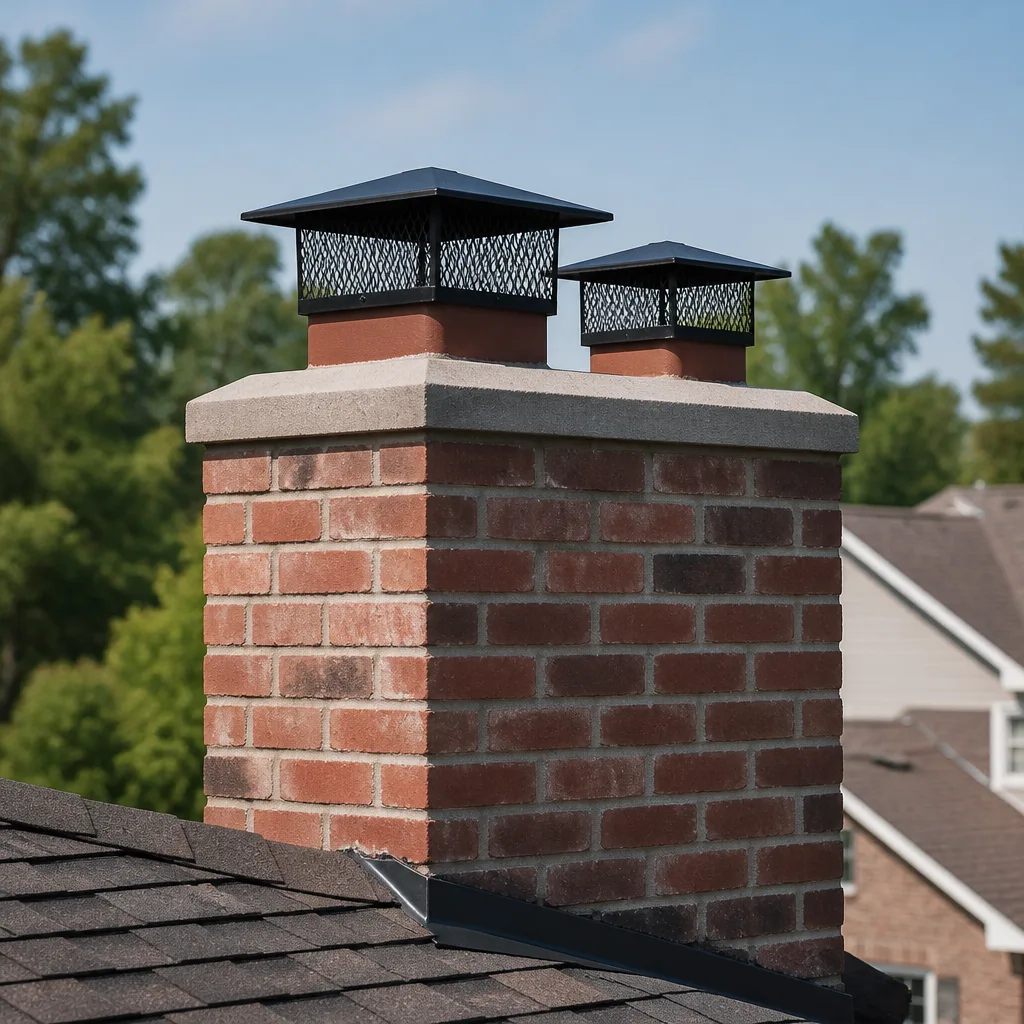 Caps & crowns
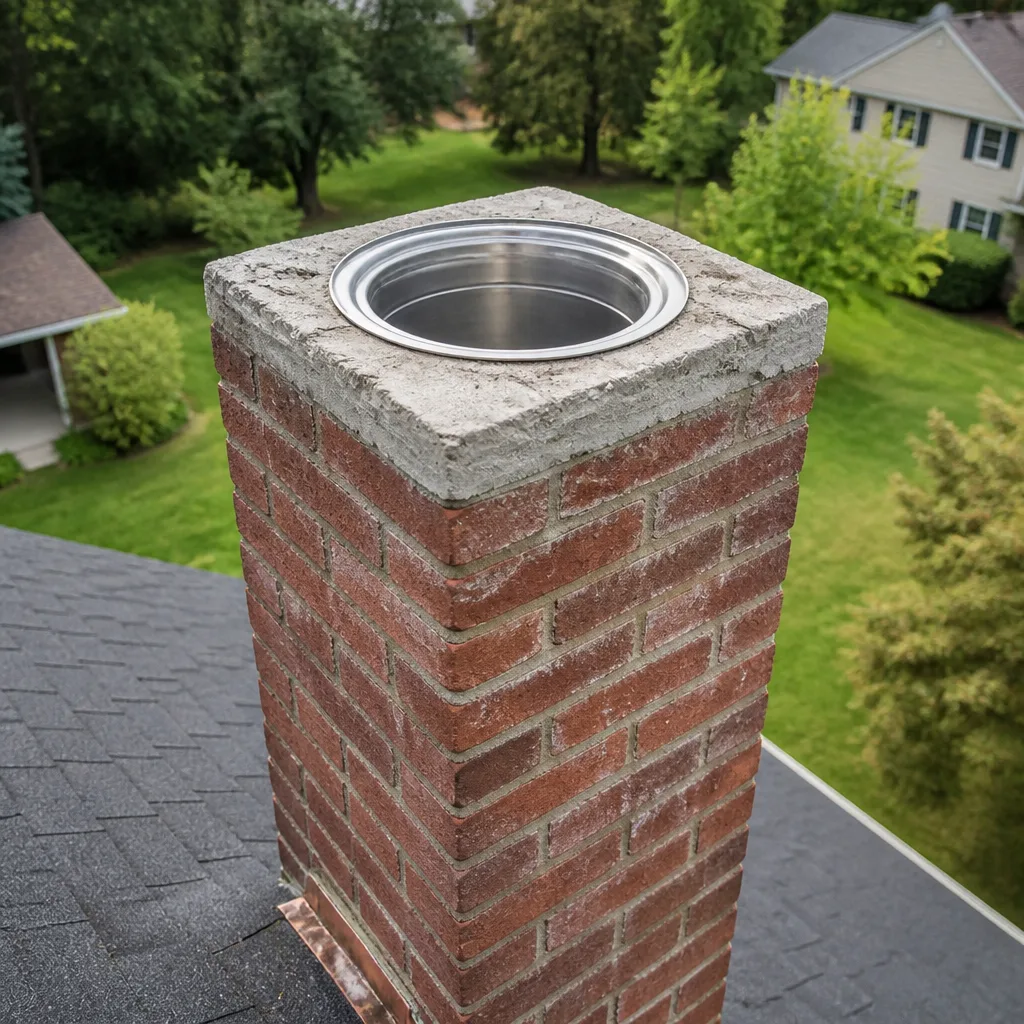 Flue relining
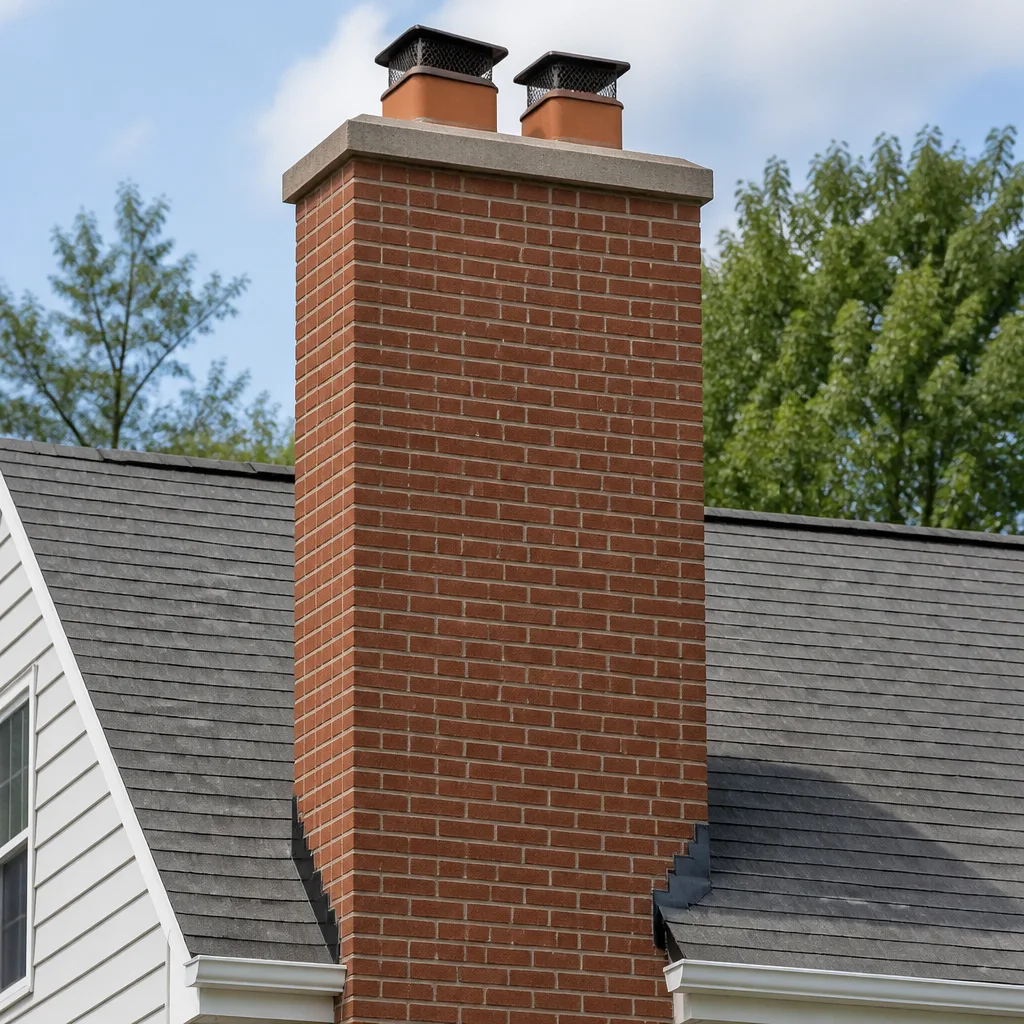 Masonry repair
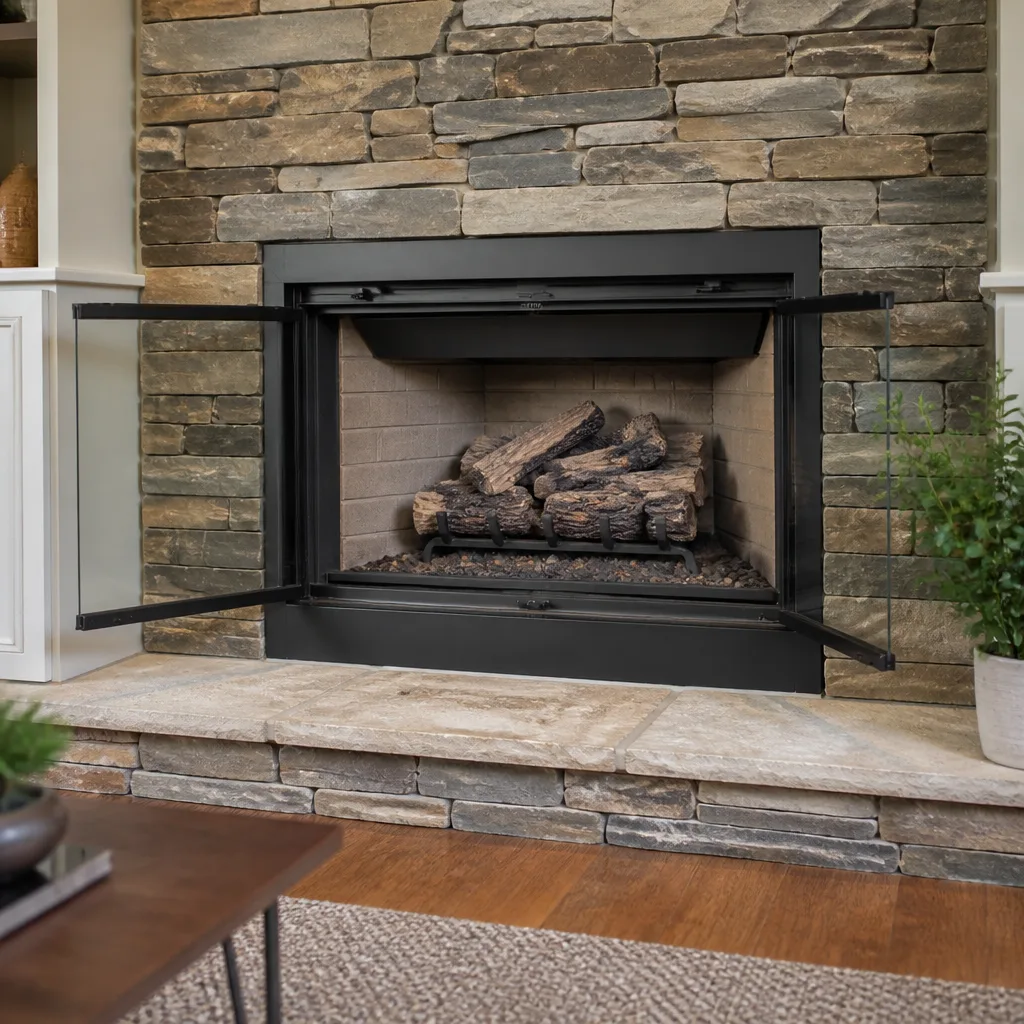 Gas fireplace service
Level 1 sweep and inspection to the NFPA 211 annual standard - flue, crown, cap, and flashing checked and photographed
Chimney sweep logs do not sweep chimneys. They loosen some creosote - which then falls where a brush and vacuum still have to collect it.
DIY vs Professional Chimney Cleaning: The Spring Valley Homeowner’s Decision Guide
You can buy a chimney brush online for less than the cost of dinner out. What you can’t buy at retail is a camera system that shows whether the tile joint you just brushed past has already cracked – and in Spring Valley homes built before 2000, that’s not a hypothetical worry. The DIY versus professional question usually gets framed as a capability debate. It isn’t. It’s a question of access and consequence: what tools you can actually get your hands on, and what happens when a task goes wrong in a way you can’t see. This guide breaks down exactly which chimney chores a Spring Valley homeowner can handle with confidence and which ones create liability the moment something slips.
Quick Answer
A Spring Valley homeowner can safely handle basic visual inspections, ash removal, and exterior cap checks. Everything that touches the flue interior – camera inspection, liner assessment, creosote removal from the smoke chamber, and resurfacing – belongs to a professional with the right tools and the training to read what those tools reveal. The dividing line isn’t whether you’re handy. It’s whether you can see the problem and whether your insurance will stand behind the work if a fire starts.
Styles & brands we work with
- Sweep & inspection
- Caps & crowns
- Flue relining
- Masonry repair
- Gas fireplace service
Table of Contents
- The Task-by-Task Breakdown: What You Can Do and What You Can’t
- The Equipment Gap: What Professionals Use That You Can’t Buy
- What Nevada Homeowner’s Insurance Says About DIY Chimney Work
- The Real Cost of DIY Done Wrong
- The DIY-to-Professional Handoff Point
- How to Prep Your Chimney Before a Contractor Visit
- Spring Valley Factors: Climate, Housing Stock, and Creosote
- Why Material Choice Matters More Than You’d Think
The Task-by-Task Breakdown: What You Can Do and What You Can’t
Most chimney advice online treats the whole category as one thing. It isn’t. Sweeping a flue is a different job than assessing a liner, and assessing a liner is a different job than resurfacing a smoke chamber. Here’s how the tasks actually split.
Tasks a homeowner can reasonably handle
These are low-risk chores that don’t require specialized tooling or the ability to interpret what you’re looking at through a camera lens.
- Basic visual inspection from the firebox. Open the damper, look up with a flashlight, and note obvious buildup, debris, or animal nesting. You’re not diagnosing – you’re spotting.
- Ash removal. Scooping out cooled ash from the firebox after the fire has been cold for at least 24 hours is straightforward. Use a metal container with a lid and set it outside, away from the house.
- Exterior cap check. From the ground with binoculars, or from a ladder at a safe height, you can verify the cap is still attached, the screen isn’t torn, and nothing is visibly nesting on top.
- Clearing the firebox of stored items. Sounds obvious, but fireboxes get used as storage. Keeping yours clear is a five-minute job with real safety value.
- Scheduling and record-keeping. Tracking when your last sweep happened and when the next one is due is entirely on you – and it matters more than most homeowners realize.
Tasks that belong to a professional
These are the jobs where the tooling, the training, or the consequence makes DIY a bad trade.
- Flue camera inspection. A camera run down the flue reveals cracked tile joints, gaps in mortar, and offset flues that a flashlight can’t show. This is where most problems are actually found.
- Liner assessment and sizing. Determining whether an existing liner is serviceable, undersized, or at end of life requires knowing what to look for and how to measure it correctly.
- Smoke chamber resurfacing. The smoke chamber is the tapered section above the damper. Resurfacing it is skilled work with specialized materials – not a DIY project.
- Creosote removal beyond surface level. Stage 3 creosote is glazed, hardened, and bonded to the flue wall. A consumer brush won’t touch it.
- Any work at the roofline. Chimney work at height is fall-risk work. This is a hard line, not a preference.
In our experience, the homeowner who calls us after a DIY attempt usually did the visible chores well and then hit a wall at the flue. That’s the right outcome. The problem is when someone keeps going past that wall.
The Equipment Gap: What Professionals Use That You Can’t Buy
The single biggest difference between a homeowner’s chimney toolkit and a professional’s is not the brush – it’s the camera. A chimney inspection camera is a specialized device with a flexible rod, a light ring, and a monitor that lets the technician see what’s happening inside the flue in real time. Consumer versions exist, but they aren’t built for the heat, the angle, or the depth a real flue demands.
Here’s what that equipment actually reveals:
- Cracked tile joints. The flue liner is made of individual tiles stacked with mortar joints. Those joints crack from thermal cycling – the repeated heating and cooling of wood fires. A crack in a joint is a pathway for heat and carbon monoxide to reach the surrounding structure.
- Spalling tile. Tiles that are flaking or breaking apart inside the flue. This isn’t visible from the firebox.
- Offset or misaligned flues. Older homes sometimes have flues that jog or shift – a condition that catches creosote and reduces draft.
- Creosote staging. The camera shows whether the buildup is light, moderate, or glazed. That determines the removal method.
- Blockages. Nests, debris, or a collapsed liner section that’s restricting the flue.
This is the access gap in concrete terms. A homeowner can buy a brush. They can’t buy the view. And in Spring Valley’s older housing stock – a lot of it built before 2000 – the flue condition is exactly what needs to be seen.
We use professional-grade materials from a working roster of suppliers – HeatShield for flue resurfacing, Gelco and Famco for caps and vent components, Olympia Chimney and DuraFlex for liner systems, Copperfield for related components. That roster exists because no single product suits every flue. The right answer for a 1980s masonry chimney in Spring Valley is not the same as the answer for a newer prefab unit.
What Nevada Homeowner’s Insurance Says About DIY Chimney Work
This is the section most DIY guides skip, and it’s the one with the most money attached. Homeowner’s insurance policies generally cover fire damage – but they also generally include language about maintenance and negligence. If a fire is traced to a chimney that hadn’t been serviced, or to work that was done improperly, the claim can be reduced or denied.
We can’t tell you what your specific policy says – that’s a conversation for your agent. What we can tell you is the general shape of the issue:
- Maintenance clauses. Most policies require the homeowner to keep the property in reasonable repair. A chimney that hasn’t been swept in years is hard to defend as “reasonably maintained.”
- Negligence exclusions. If an investigation finds the fire started because of improper DIY work – a brush that damaged a tile, a cap installed wrong – the insurer may treat that as negligence.
- Documentation value. A sweep record from a professional is evidence of maintenance. A homeowner’s memory of “I cleaned it last year” is not.
- Claim disputes. Even when a claim is ultimately paid, disputes over cause and maintenance take time and energy. A professional record shortens that conversation.
The practical takeaway: the cost of a professional chimney sweep is small next to the risk of an insurance dispute after a fire. That’s not fear-selling – it’s the math.
The Real Cost of DIY Done Wrong
We won’t quote you a specific dollar loss, because every situation is different and we don’t invent numbers. What we can describe is the pattern. A homeowner brushes the flue, feels good about it, and skips the camera inspection. Years later, a real estate inspection or a professional sweep reveals a cracked tile joint that’s been there the whole time. Now the fix isn’t a sweep – it’s a liner replacement.
That’s the cost-of-DIY story in general terms. The brush doesn’t cause the crack. The brush just doesn’t find it. And in a Spring Valley home built before 2000, the tile joints have had decades of thermal cycling to develop problems.
Compare the two paths:
- DIY path: brush the flue, skip the camera, miss the crack, discover it at resale or after a chimney fire, pay for a full liner replacement.
- Professional path: sweep plus camera inspection, find the crack early, resurface with HeatShield or reline with DuraFlex before it becomes a structural issue, keep the documentation.
The professional path isn’t free. But it’s the cheaper one in the long run, and it’s the one that keeps your insurance claim clean if something ever does go wrong. That’s the whole argument in two sentences.
The DIY-to-Professional Handoff Point
There’s a clear line where DIY stops being reasonable. Here it is, in order:
- You’ve done the visual inspection and ash removal. Good. Keep doing that.
- You notice anything unusual through the firebox. Buildup that looks thick, a smell that doesn’t go away, visible damage to the damper or firebox walls, or a draft that’s gotten worse. That’s your handoff signal.
- It’s been more than a year since the last sweep. The general guidance is an annual sweep for anyone who burns wood regularly. If you’ve passed that mark, book it.
- You’re buying or selling a home in Spring Valley. A professional inspection with documentation is part of the transaction. DIY records don’t carry the same weight.
- You’ve changed what you burn. Switching from softwood to hardwood, or from wood to a gas insert, changes the maintenance picture. Get it assessed.
Past that line, the right move is to book a professional and let them do the part you can’t. That’s not a failure of DIY. It’s the correct use of it.
For homeowners in Spring Valley, we offer both the sweep and the repair side under one roof, so the handoff doesn’t require a second contractor. If the sweep finds a problem, the same visit can scope the fix.
How to Prep Your Chimney Before a Contractor Visit
A little prep gets you more value from the appointment. Here’s the sequence:
- Clear the firebox and hearth. Remove andirons, log holders, and decorative items. The technician needs room to work.
- Stop burning 24 hours before. The firebox and flue need to be cool. Ash needs to be settled.
- Move furniture and rugs back from the hearth. Sweeping generates dust. A drop cloth helps, but distance helps more.
- Note what you’ve observed. Write down smells, draft changes, unusual sounds, or visible damage. The technician can check specific things if you flag them.
- Have your questions ready. “Is the liner serviceable?” and “When should I schedule the next sweep?” are the two highest-value questions you can ask.
- Know your home’s build year. A pre-2000 Spring Valley home gets a different level of scrutiny than a newer one. Tell the technician.
That’s it. No special tools, no ladder work. The prep is about making the visit efficient, not about doing the technician’s job for them.
Spring Valley Factors: Climate, Housing Stock, and Creosote
Spring Valley’s climate shapes chimney behavior in ways that matter for maintenance. Winters are mild compared to mountain towns, which means many homeowners burn intermittently rather than continuously. Intermittent burning is actually worse for creosote – the flue doesn’t stay hot enough to burn off deposits, so they accumulate faster than they would with a steady fire.
The housing stock adds another layer. Homes built before 2000 in Spring Valley often have masonry chimneys with tile liners that have seen decades of thermal cycling. Newer homes may have prefab or factory-built fireplaces with different maintenance needs. Both types need inspection – they just need different kinds of inspection.
Neighborhoods across Spring Valley see this pattern consistently. The homes that get swept annually have cleaner flues and fewer surprises. The homes that get swept every three or four years tend to be the ones where the camera finds something.
There’s also the dryer vent side. The NFPA identifies dryer vent lint as a leading cause of residential fires, and Spring Valley homes with long vent runs – common in two-story layouts – are especially prone to lint accumulation. We handle dryer vent cleaning alongside chimney work, so one appointment resolves two of the leading household fire hazards. It’s a practical bundling, not an upsell.
Why Material Choice Matters More Than You’d Think
When a repair is needed, the material matters as much as the labor. A chimney cap is not a chimney cap – the material, the fit, and the weather resistance vary widely. Same for liners and resurfacing compounds.
We work with a defined roster of professional-grade suppliers because job-matched materials produce better outcomes than a one-size approach:
- HeatShield for flue resurfacing. It’s a restoration system designed to repair deteriorated mortar and tile without full relining tear-out. For a Spring Valley home with a liner that’s rough but not failed, this can be the difference between a resurfacing job and a full reline.
- DuraFlex for flexible liner systems. It’s a benchmark product for relining, and it’s the right call when the existing liner is beyond resurfacing.
- Gelco and Famco for caps and vent covers. These are code-appropriate, weather-tested components, not hardware-store substitutes.
- Olympia Chimney and Copperfield for related liner and venting components, chosen job by job.
The point isn’t the brand list. The point is that a chimney company should be able to tell you what material is going into your flue and why. If the answer is vague, that’s a signal.
Common Mistakes to Avoid
- Brushing without inspecting. A brush cleans. It doesn’t diagnose. Skipping the camera inspection in a pre-2000 Spring Valley home means you’re cleaning blind.
- Using a consumer brush on a glazed flue. Stage 3 creosote is bonded to the tile. A consumer brush will skip right over it. If the buildup is glazed, the job needs professional tools.
- Climbing the roof without fall protection. Chimney work at height is a fall hazard, full stop. No homeowner should be up there with a brush and no harness.
- Burning green or unseasoned wood. Wet wood produces more creosote than dry wood. In Spring Valley’s intermittent-burn climate, that buildup compounds faster than most people expect.
- Treating “no visible problem” as “no problem.” The most common chimney fire risk – a cracked tile joint – is invisible from the firebox. Absence of evidence isn’t evidence of absence.
- Skipping the dryer vent. The same annual visit that handles the chimney should handle the dryer vent. Leaving one of the two leading household fire hazards unaddressed is a gap.
- Ignoring insurance documentation. A sweep record from a professional carries weight in a claim. DIY memory doesn’t. Keep the paperwork.
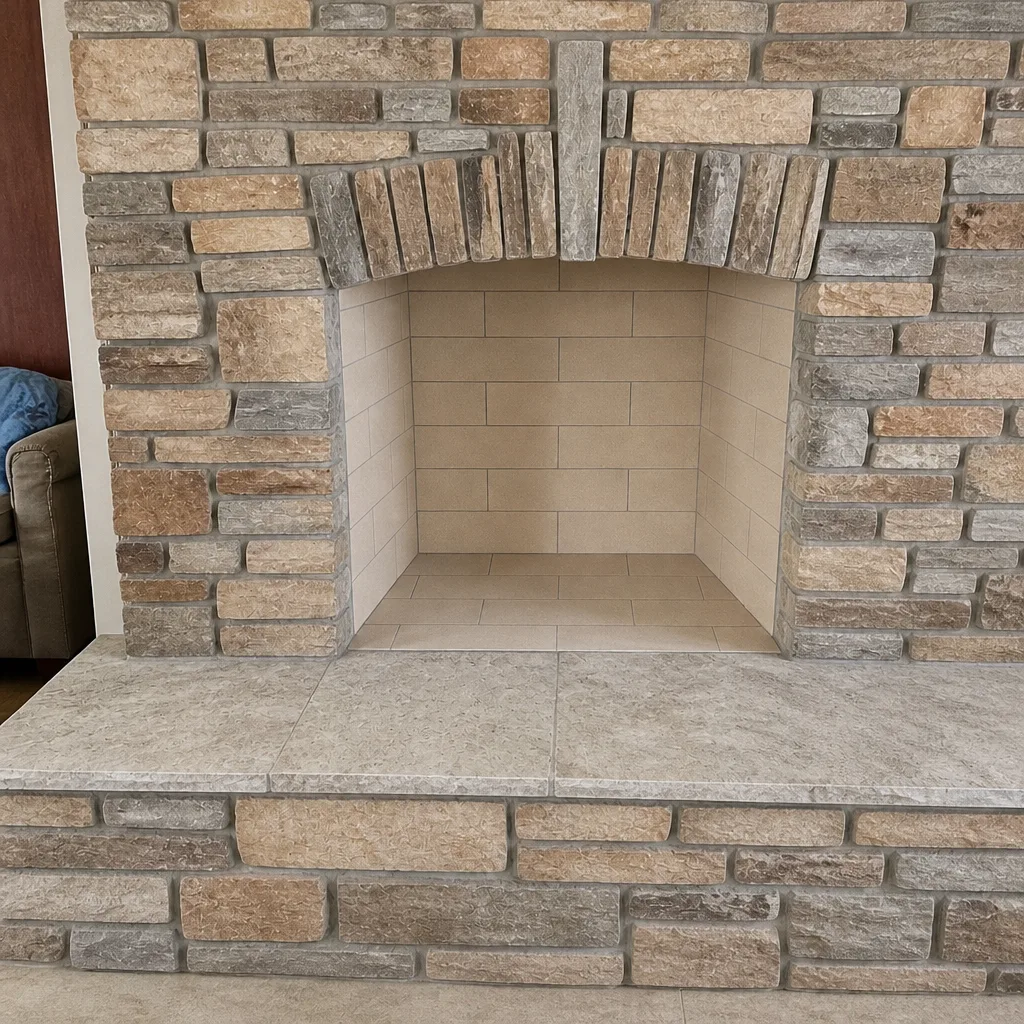
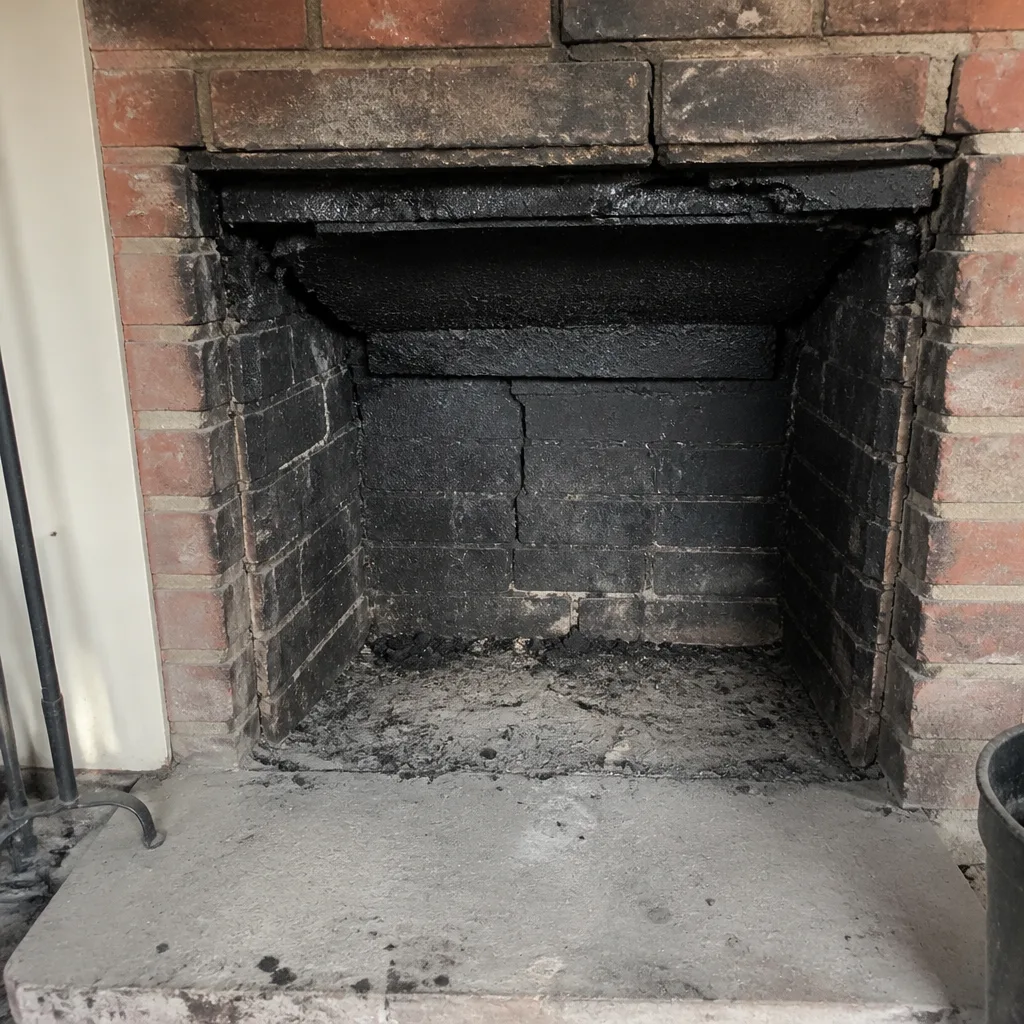
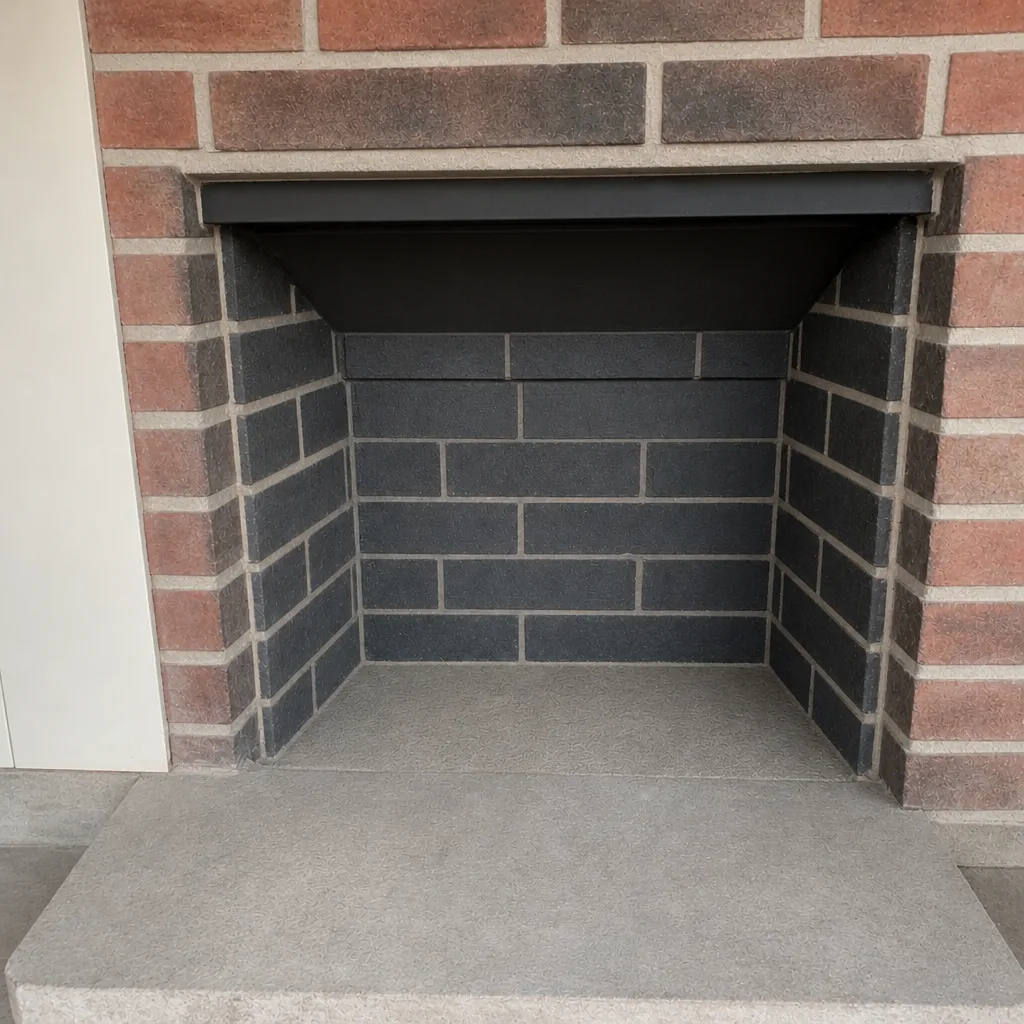
See the difference
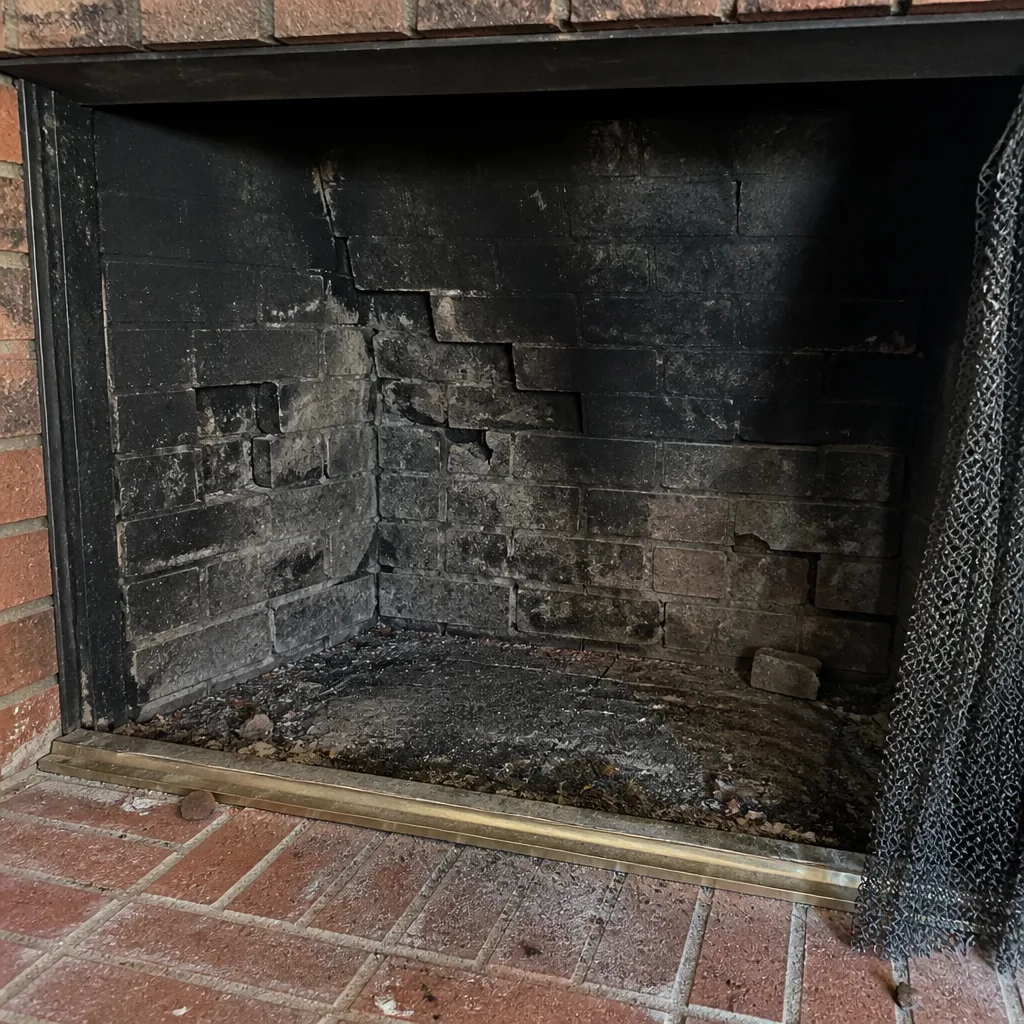 Before
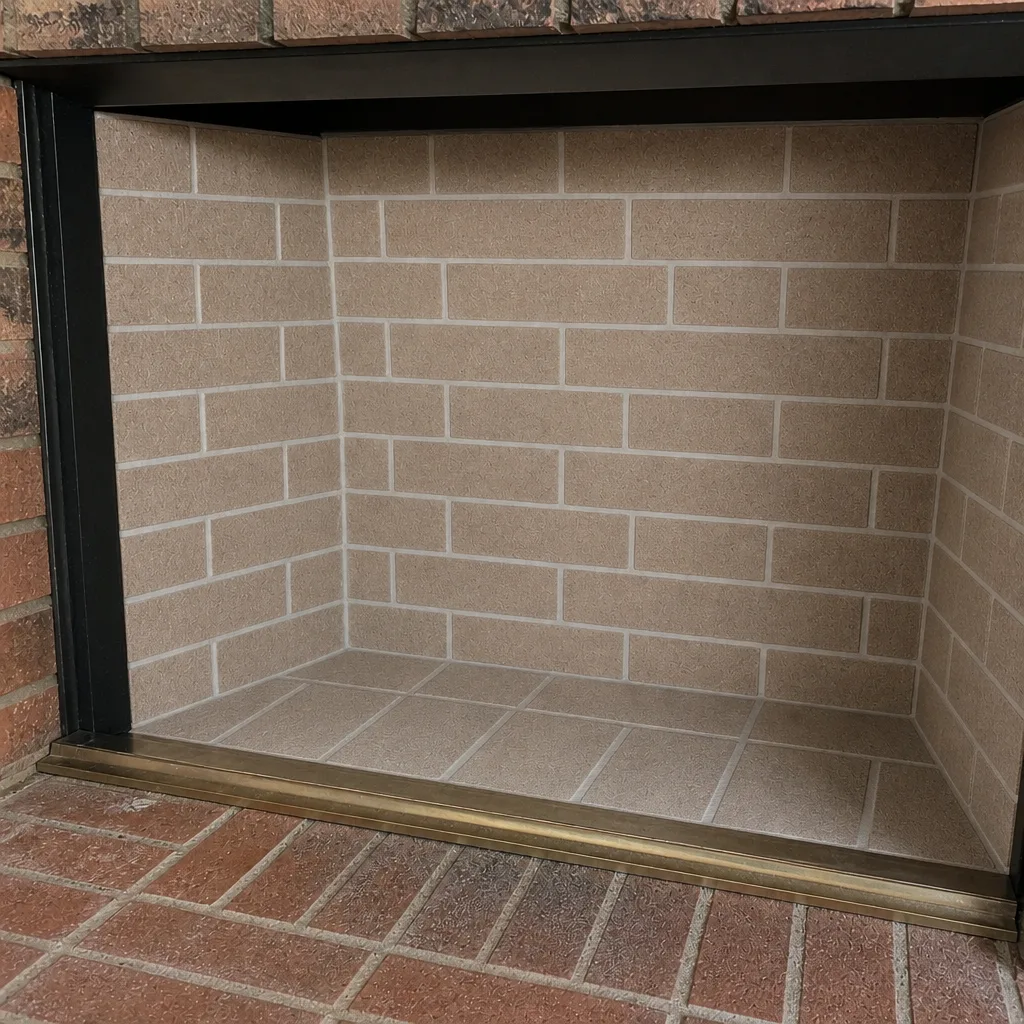 After
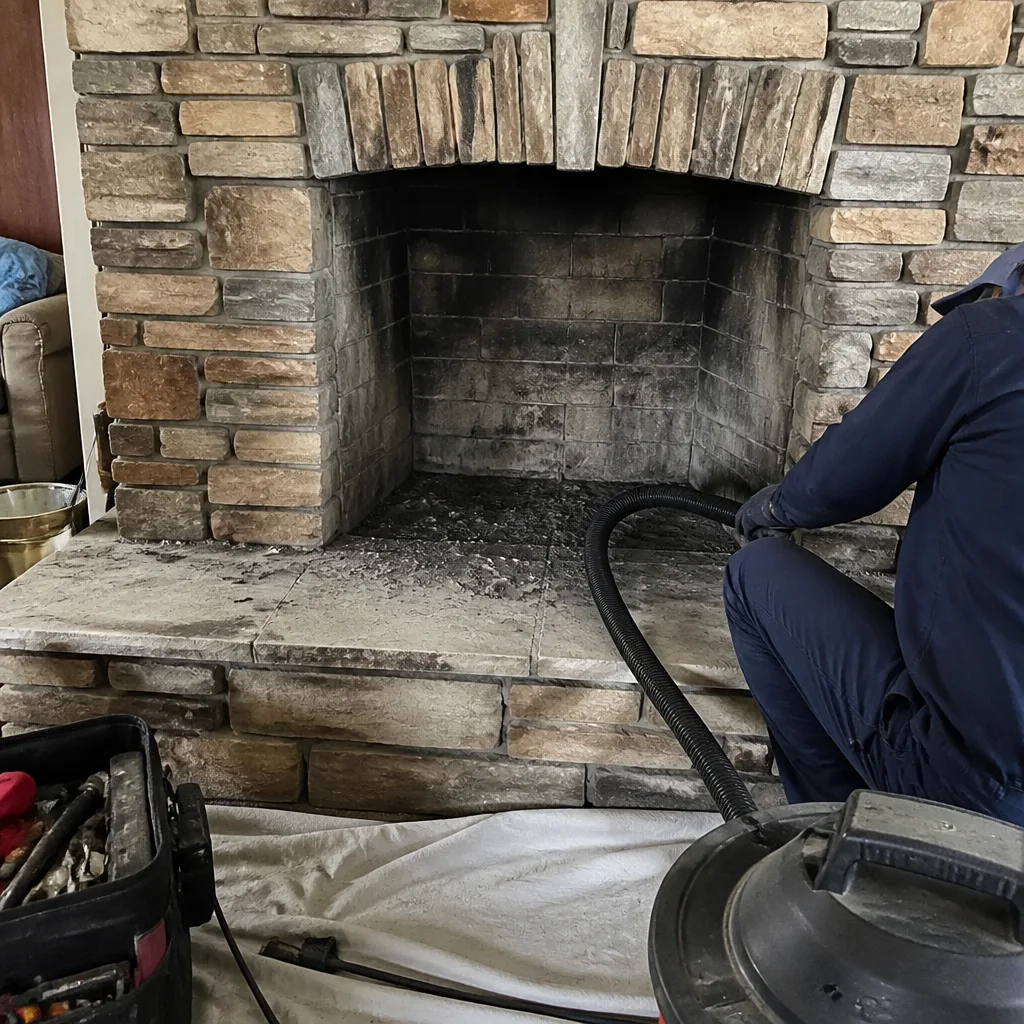 Before
 After
 Before
 After
When to Call a Professional
Call a professional when any of these describe your situation: it’s been more than a year since the last sweep; you’ve noticed a smell, a draft change, or visible damage; your Spring Valley home was built before 2000 and has never had a camera inspection; you’re buying or selling; or you’ve had a chimney fire, even a small one. Those are the clear triggers. The rest is a judgment call, but the cost of a sweep is small next to the cost of a missed problem. Whitman Chimney Cleaning offers free estimates in Spring Valley – call (888) 344-4211. We answer 24/7. Fast dispatch from 7am to 7pm, Sunday through Friday.
Frequently Asked Questions
A chimney sweep in Spring Valley typically runs in the range you’d expect for the region, and the written estimate sets the final price. The exact number depends on the flue condition, whether a camera inspection is included, and whether any repair work is needed. Call (888) 344-4211 for an exact quote – estimates are free.
Not always. A liner that’s rough but structurally sound can often be resurfaced with HeatShield rather than replaced. The only way to know which path applies is a camera inspection that lets you see the actual condition of the tiles and joints. We won’t recommend a reline without showing you the evidence. Call (888) 344-4211 to book an inspection.
Once a year is the general guidance for anyone who burns wood regularly, and that holds for Spring Valley homeowners who burn intermittently in mild winters. Intermittent burning actually accumulates creosote faster than steady burning, so the annual cadence matters. Call (888) 344-4211 to schedule.
Creosote accumulates, and at stage 3 it becomes glazed and bonded to the flue wall. That’s the fuel source for a chimney fire. Separately, a cracked tile joint can let heat and carbon monoxide reach the surrounding structure. Skipping a sweep doesn’t cause an immediate problem – it removes your ability to catch one early. Call (888) 344-4211 to get back on schedule.
You can handle the visual inspection, ash removal, and exterior cap check safely. What you can’t do is see inside the flue, and in a Spring Valley home built before 2000, that’s where the problems live. The money saved on a sweep is small next to the cost of a missed crack discovered later. Call (888) 344-4211 for an estimate.
It can. Most policies include maintenance clauses and negligence exclusions, and a fire traced to unserviced or improperly serviced chimney work can complicate a claim. Ask your agent about your specific policy. What we can do is provide the professional documentation that shows your chimney was maintained. Call (888) 344-4211.
The Bottom Line
The DIY versus professional question isn’t about whether you’re capable. It’s about what you can see and what happens when something goes wrong. A homeowner can handle the visual inspection, the ash, and the exterior cap check. The flue camera, the liner assessment, and the resurfacing belong to a professional – and in a Spring Valley home built before 2000, that line matters more than it does in newer housing. The annual sweep is the cheap insurance. The camera inspection is the one that actually catches the problems. Brush what you can see. Call us for the part you can’t – that’s the whole strategy. Whitman Chimney Cleaning handles the sweep, the repair, and the dryer vent in one visit, with professional-grade materials from HeatShield, DuraFlex, Gelco, Olympia Chimney, Famco, and Copperfield matched to the job. Call (888) 344-4211 for a free estimate. We answer 24/7. Fast dispatch from 7am to 7pm, Sunday through Friday.
Written by the team at Whitman Chimney Cleaning.