
Last updated November 15, 2026
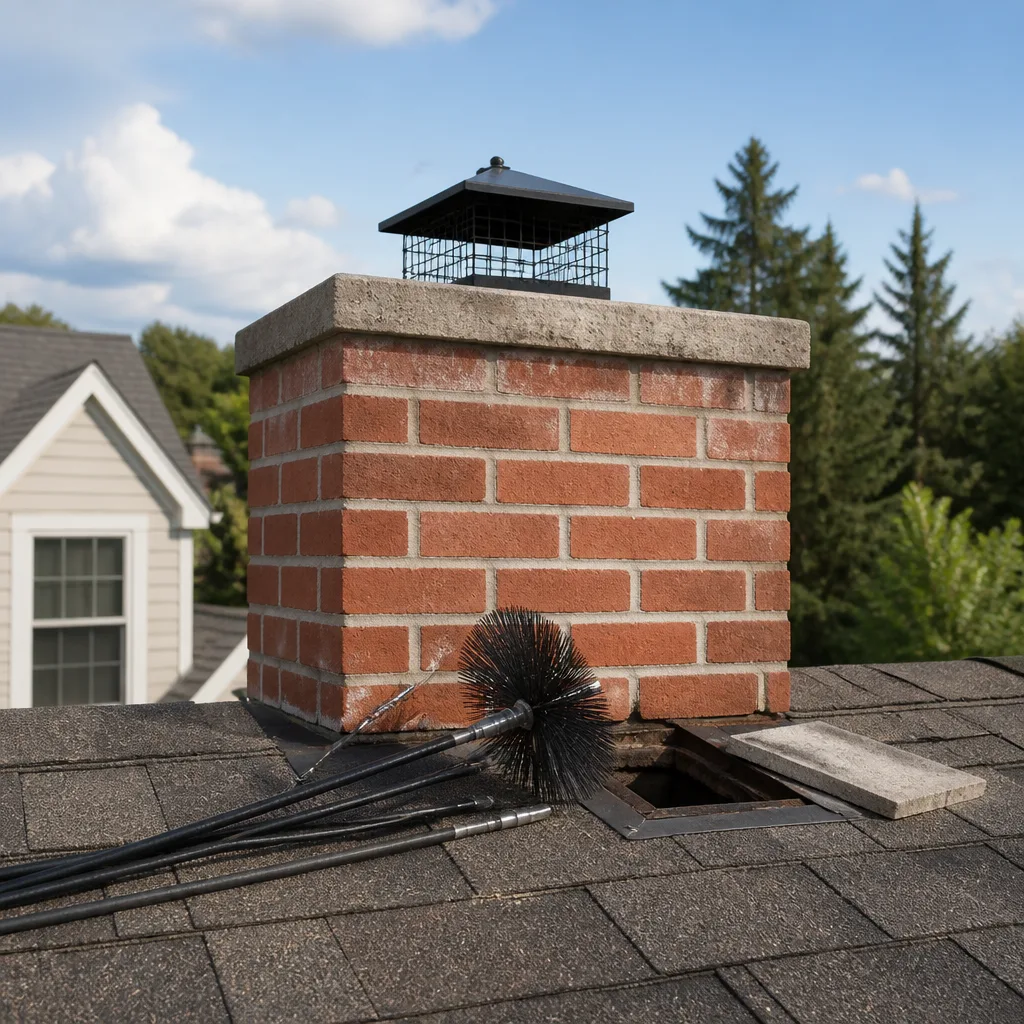 Sweep & inspection
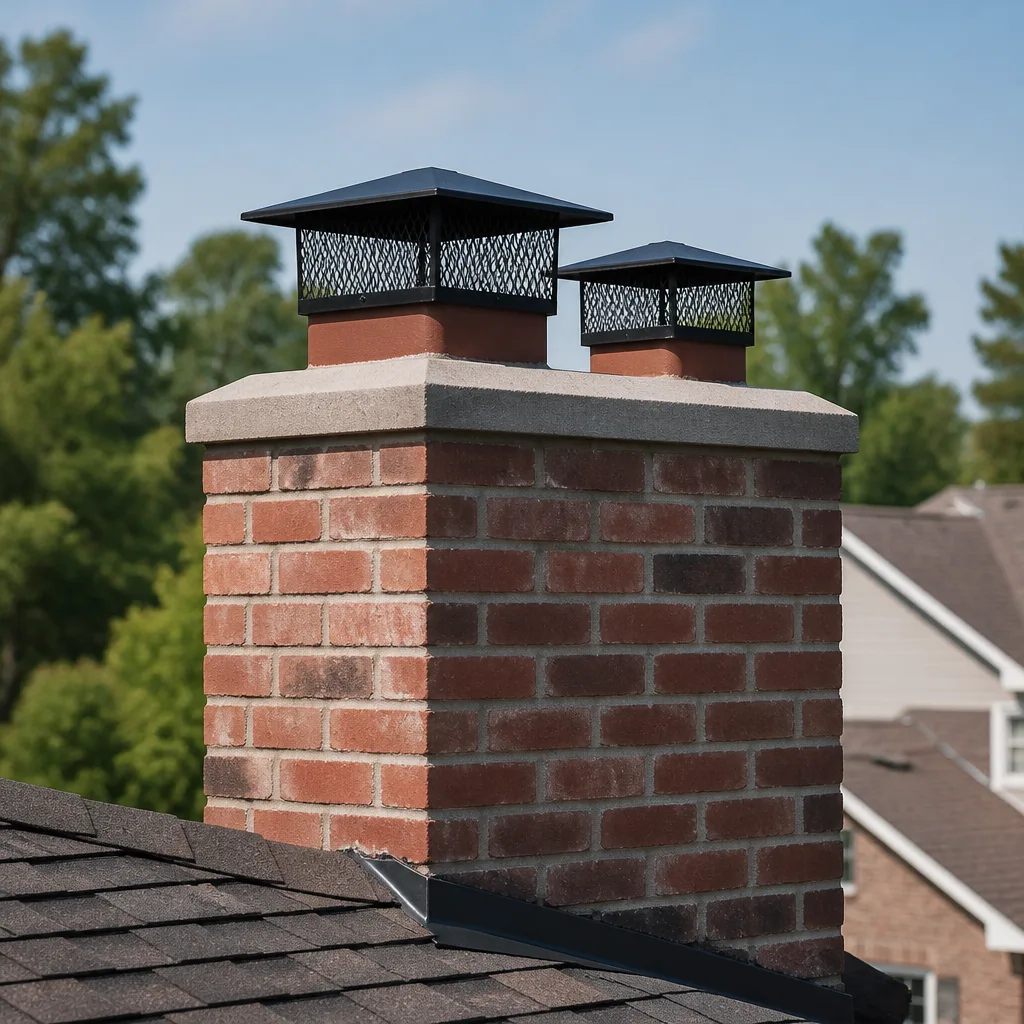 Caps & crowns
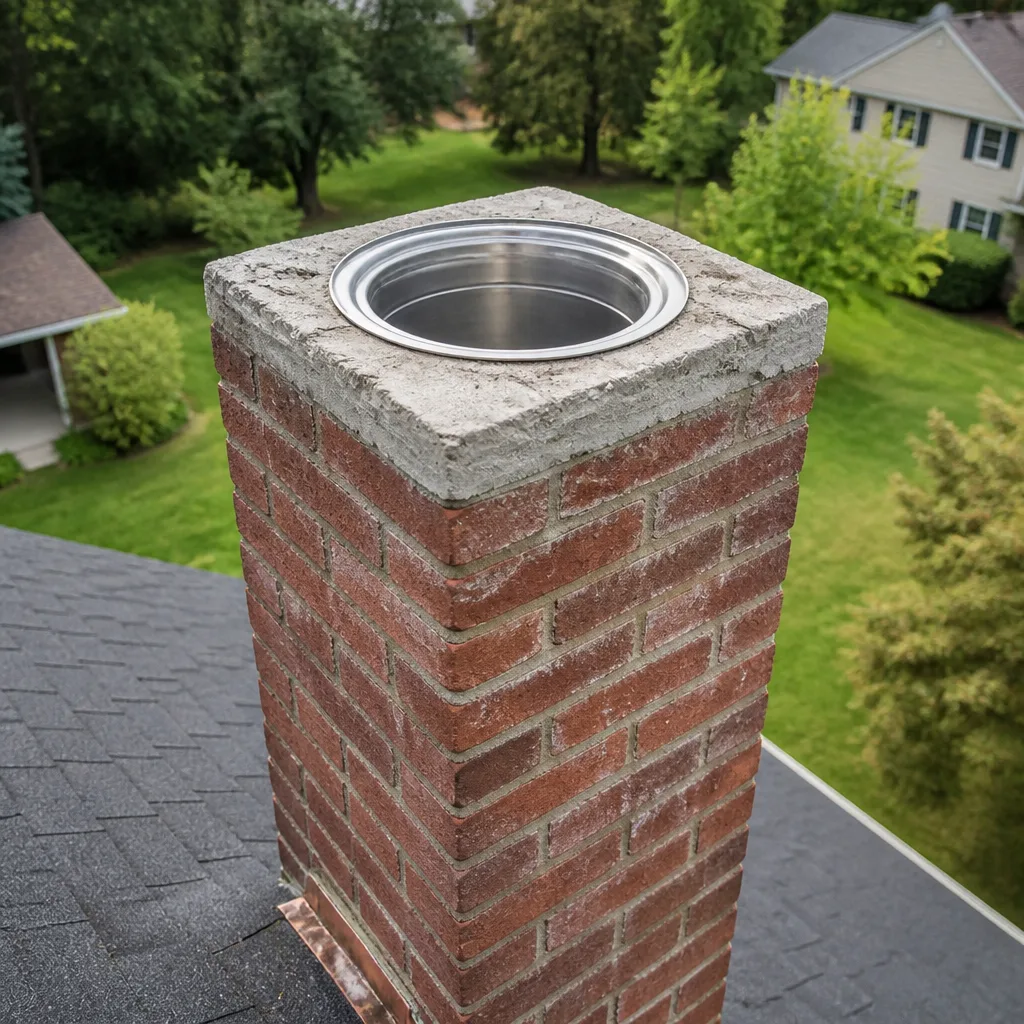 Flue relining
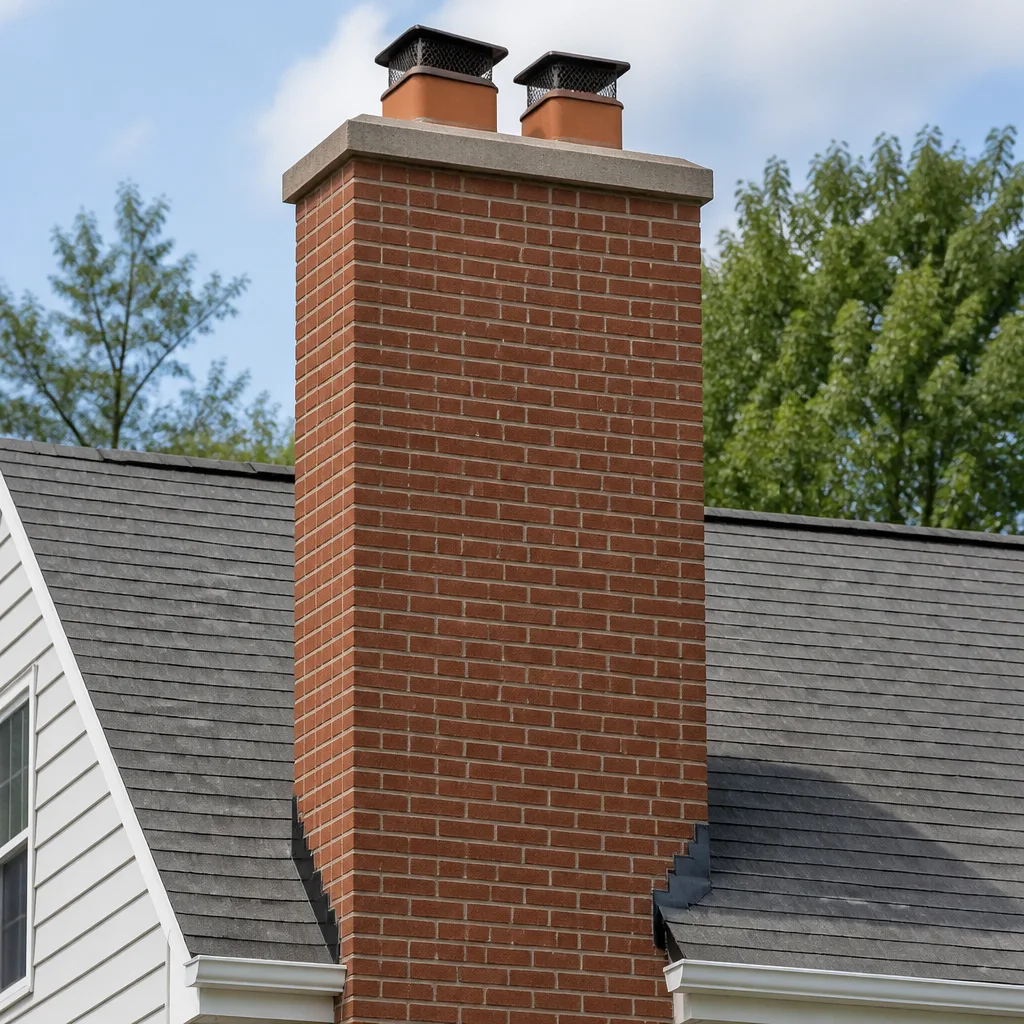 Masonry repair
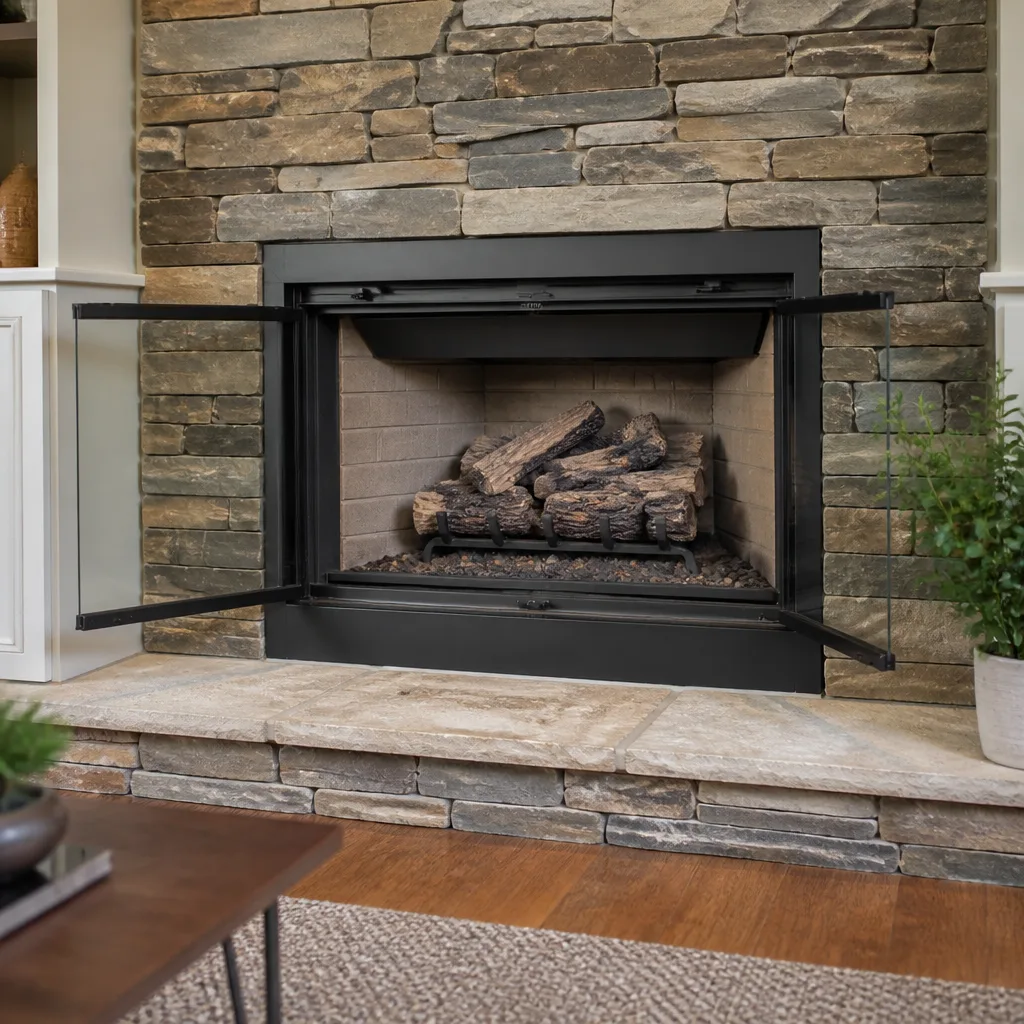 Gas fireplace service
Level 1 sweep and inspection to the NFPA 211 annual standard - flue, crown, cap, and flashing checked and photographed
Chimney sweep logs do not sweep chimneys. They loosen some creosote - which then falls where a brush and vacuum still have to collect it.
Chimney Cleaning Emergency Preparedness Guide for Spring Valley Homes
A chimney fire doesn’t always sound like a roaring inferno. In many Spring Valley homes, it starts as a low crackling and a smell of hot metal, and by the time it’s obvious, you’re already 90 seconds behind. Most homeowners picture a wall of flame shooting from the chimney top. What actually happens is quieter and easier to miss: a soft rushing sound, a puff of dark smoke in the firebox, a metallic tick as the flue tile heats faster than the masonry around it. This guide walks you through the three failure modes that need immediate action, the three that can safely wait for a scheduled appointment, and the decision tree that separates them. By the end you’ll know what to close, who to call, what not to do, and how to document the aftermath so your insurer and your inspector have what they need.
Quick Answer
Three chimney situations in Spring Valley require immediate action: an active chimney fire, carbon monoxide symptoms in a home with a fireplace or gas insert in use, and sudden heavy smoke backdrafting into the living space. Everything else – a slow draft, a bit of soot odor, a cracked cap you notice in daylight – can wait for a scheduled appointment with a documentable level of repair. The difference between an emergency and a routine job is almost always decided by what you observe in the first five minutes.
Styles & brands we work with
- Sweep & inspection
- Caps & crowns
- Flue relining
- Masonry repair
- Gas fireplace service
Table of Contents
- The Three Scenarios That Require Immediate Action
- Step-by-Step Protocol for a Suspected Chimney Fire
- Carbon Monoxide: What Homeowners in Spring Valley Need to Notice
- Backdraft and Sudden Smoke: When to Worry
- How to Confirm a Chimney Fire Actually Happened
- Documenting the Event for Insurance and Inspection
- What Can Safely Wait for a Scheduled Appointment
- Building an Emergency Preparedness Kit for Your Spring Valley Home
The Three Scenarios That Require Immediate Action
Not every chimney problem is a fire. Homeowners in Spring Valley, where winter evenings still dip cold enough to justify a real fire, often call us because something felt off and they don’t have a framework for deciding whether it’s urgent. Here’s the framework.
Scenario 1: Active chimney fire
A confirmed chimney fire – visible flame from the top, a loud roaring sound in the flue, or a persistent crackling that doesn’t match what’s burning in the firebox – is a 911 call and a fire department response. Clark County Fire Department and the Henderson and Las Vegas dispatch centers treat a reported chimney fire as a working structure fire until they can verify otherwise. That means apparatus, water, and a full response. Don’t minimize on the call. Say “chimney fire” and say whether anyone is inside.
Scenario 2: Carbon monoxide symptoms with an active fire or gas insert in use
Headache, dizziness, nausea, confusion, or drowsiness in one person but not another, or a pet that seems unusually lethargic the same evening, with a fire burning or a gas insert running. That cluster is a carbon monoxide call, not a chimney call. Evacuate everyone including pets, call 911 from outside, and report it as a CO concern. The dispatcher will route the call differently than a chimney fire – typically fire and EMS rather than a single ladder truck – and that routing matters for how quickly you get a metered response.
Scenario 3: Sudden heavy smoke backdrafting into the living space
Smoke pouring back into the room instead of up the flue, especially if it starts suddenly during a normal fire, is an immediate stop. The fire itself may not be the emergency; the problem is that a blocked or reversed draft is pushing combustion byproducts into your breathing space. Put out the fire if you safely can, open windows, leave the home, and call for professional assessment before using the fireplace again.
What is not an emergency
A cold flue with a slight smoke smell on startup, a bird or leaves in the cap, a hairline crack you noticed during a visual inspection, a cap that shifted in a windstorm but still vents properly. Those deserve prompt attention and a scheduled visit, not a 911 call. Being clear about the difference is the whole point of preparedness.
Step-by-Step Protocol for a Suspected Chimney Fire
If you believe your flue is on fire – roaring sound, visible flame at the top, or a persistent metallic smell with a fire burning – run this sequence in order. It’s short on purpose.
- Stop adding fuel. Do not open the glass doors to check. Opening the firebox feeds oxygen into a chimney fire and can turn a contained event into a dangerous one.
- If the fire in the firebox is small and contained, close the glass doors and the damper. Starve the fire of oxygen from the room side. The damper stays open only if you need to close it from the top, which is rare in a residential flue.
- Evacuate the home. All people, all pets. Leave the doors unlocked so the fire crew can enter without forcing them.
- Call 911 from outside. Say “chimney fire” clearly, give the full address, say whether anyone is still inside, and describe what you see – flame, smoke, sound.
- Never use water on a hot firebox or flue. A firebox that has been running at chimney fire temperatures can crack or erode sharply under cold water, which spreads the damage into the masonry. Water from a garden hose into a chimney also floods the smoke chamber and creates a steam hazard. Leave it to the fire department, whose members are trained for exactly this.
- Stay out until cleared. A fire department clearance means the fire is out, not that the chimney is usable. Do not light another fire the same night.
What the fire department expects on the call
Dispatch wants three things fast: address, occupancy, and nature. “My chimney is on fire” is less useful than “flame visible from the top of the chimney, two adults and one dog inside, wood-burning fireplace.” If you’re reporting a CO concern instead of a fire, say “possible carbon monoxide” and describe who is symptomatic. Both call types get a fast response, but the dispatch tree is different, and using the right words gets you the right apparatus.
What not to do
- Don’t try to reach inside the firebox to check for a chimney fire. You’ll feed it air and risk a flash.
- Don’t spray a chimney fire with a garden hose. It doesn’t reach the flue tile, and the thermal shock can shatter the tile.
- Don’t drive to the fire station or try to self-evacuate the fire, then call. Call from outside the home.
- Don’t return to using the fireplace the same heating season without an inspection.
Carbon Monoxide: What Homeowners in Spring Valley Need to Notice
Carbon monoxide is the emergency homeowners in Spring Valley are least prepared for, and it’s the one where a working CO alarm and a five-minute decision matter most. CO is colorless and odorless. There is no “smell” to warn you and no flame pattern to watch. What you have is your alarm, the physical symptoms in people, and the assumption that a home with a real chimney is somehow safer than one without. It isn’t. A blocked flue drafts CO back into the home exactly like it drafts smoke.
When to suspect CO
- Multiple people in the same room getting headaches within the same evening, especially with a gas insert or wood fire running.
- One person symptomatic and others fine – the pattern often depends on sleeping location and height in the home.
- Pets acting unusually lethargic while the fire is on.
- A CO alarm sounding at any reading, even a low one that shuts off after a minute. Alarms do not usually false-alarm on low levels. Treat it as real.
What to do
- Get every person and every pet outside immediately, regardless of whether anyone feels symptomatic.
- Call 911 from outside. Say “possible carbon monoxide,” give the address, and say whether anyone is symptomatic.
- Do not re-enter to open windows or shut off the fireplace until the fire department or gas utility tells you it’s safe.
- After the event, do not use the fireplace or gas appliance again until a Level 2 inspection confirms the flue is drafting correctly.
Why a clean flue helps
A flue restricted by creosote, a collapsed tile, or a birds’ nest drafts less than it should. In a home with an older masonry chimney, a routine chimney sweep is the single cheapest way to find out whether your flue still pulls the way it was designed to. That’s not the same as a CO monitoring system – you still need working CO alarms on every level – but it does close one common cause before it reaches your family.
Backdraft and Sudden Smoke: When to Worry
Backdraft is what homeowners call a sudden smoke reversal into the room. In a properly functioning fireplace, hot combustion gases rise up the flue because the warm column of air creates a pressure differential with the outside. When that differential breaks – a cold exterior, a blocked flue, a kitchen exhaust fan fighting the chimney for indoor air, or a house so tight that the fire can’t draw – smoke comes back into the room.
Signs it’s the emergency version
- Smoke arrives suddenly, not gradually, and fills the room quickly.
- It happens with a fire that was venting normally minutes earlier.
- There’s a distinct smell of creosote or a burning-tar odor mixed with the smoke.
- Anyone in the room feels short of breath or nauseated faster than you’d expect from smoke alone.
Signs it’s the routine version
- A puff of smoke on first lighting when the flue is still cold.
- Smoke that reverses when the kitchen exhaust fan or bathroom fan is on and stops when they’re off.
- Minor smoky smell on windy days.
The first list is an evacuate-and-call situation. The second list is a call for an appointment and a conversation about draft. Spring Valley homes built tight enough to hold summer air conditioning efficiently often have this second problem, because the same tightness that keeps cool air in keeps the fire from drawing indoor air from anywhere. If your fire drafts poorly on cool winter evenings in Spring Valley, that’s not a chimney emergency. It is a flue-size and make-up-air conversation that a technician should have with you on-site.
How to Confirm a Chimney Fire Actually Happened
Many chimney fires self-extinguish before anyone calls the fire department. Homeowners in Spring Valley often realize weeks later – after a neighbor mentions the sound, or the flue starts acting different – that they had one. The signs are real and a technician can identify them.
What a sweep sees on inspection
- Puffy, honeycombed creosote inside the flue. Normal creosote is glazed or flaky. Creosote that has been through a fire has a bubbled, popcorn-like texture.
- Heat-cracked or spalled flue tile. Clay tile cracks vertically or in horizontal rings when it has been through a chimney fire. A hairline from settling looks different from a heat crack; a sweep can tell them apart.
- Warped or discolored metal. A stainless liner that has been through a fire often shows heat tinting or slight distortion near the thimble.
- Discolored or warped chimney cap and vent components. The cap, which is at the coldest end of the system, takes the fire exhaust first.
- Distorted damper or damper frame. A steel damper that no longer sits flat is a likely indicator.
- Smoke chamber evidence. Soot patterns that show a concentrated burning, and damaged mortar joints in the smoke chamber.
Why a Level 2 inspection is the right next step
A Level 2 inspection is the chimney industry’s standard post-event inspection, involving a video scan of the flue interior in addition to a visual review of accessible components. If you suspect a chimney fire happened even once, that’s the inspection you want. A basic sweep won’t reveal a heat crack you can’t see; a camera will. Skipping this step is how a homeowner ends up running another fire season through a damaged flue tile that nobody caught.
Documenting the Event for Insurance and Inspection
If a chimney fire happened – or the fire department responded to a suspected one – what you photograph and preserve in the first 48 hours determines how much of the aftermath your insurer will cover and how accurately the inspector can scope repairs.
What to photograph
- The chimney exterior from the ground. Wide shot and close-up. Any visible damage to the crown, cap, or brickwork.
- The firebox interior. Take interior photos before you clean anything. Soot patterns and cracks in the firebox brick are structural evidence.
- The flue top opening. From the roof if you can access it safely; otherwise leave it to the inspection. Do not climb the roof yourself in the aftermath of a fire.
- The damper and smoke shelf. Photograph the damper position as you found it.
- Smoke damage in the living space. Walls, ceiling near the fireplace, and any furniture that absorbed smoke.
- Any fire department documentation. Incident report number, dispatch time, responding station, and the name of the officer in charge.
What to preserve
- The firebox as found. Don’t clean soot for aesthetic reasons before the inspection – the soot is the evidence.
- The firewood batch you were burning. Species and moisture content are relevant to cause analysis.
- Any CO alarm readings, if the event involved one.
- Photographs of the appliance – fireplace, insert, or stove – including any manufacturer label.
What to tell your insurer
Most homeowner policies cover sudden and accidental damage from a chimney fire. They do not cover long-term deterioration, which is why the documentation needs to clearly establish the event date and the condition before it. Give your insurer the incident report number and the technician’s Level 2 inspection report together. If you’re not sure whether the event is covered, ask before you schedule repairs – a written technician estimate makes that conversation short.
What Can Safely Wait for a Scheduled Appointment
Some issues warrant an immediate call. Most don’t. Here’s what a homeowner can schedule at their convenience rather than treating as a same-evening problem.
- A dirty flue you can hear creosote rattling in. Schedule a sweep before the next fire.
- A cracked or missing chimney cap. Ready for service and stable for a few weeks, but book it promptly, particularly with rain forecast. Water is a chimney’s quiet enemy.
- Slow draft or smoky startup. Book an inspection and discuss it; a technician will check flue size, cap obstruction, and smoke chamber geometry.
- Bird nest or debris in the cap. Not urgent unless it’s blocking the flue opening entirely.
- Visible efflorescence – white staining – on exterior brick. Points to moisture reaching the masonry. Worth a repair visit, not a same-day emergency.
- A dryer that takes two cycles to dry a load. That’s a lint restriction that needs a dryer vent cleaning, and it’s worth scheduling soon because a restricted vent raises lint ignition risk.
Why waiting is often the right call
A chimney isn’t a car that improves with immediate roadside attention. Some of the most time-critical damage in a chimney happens when a well-meaning homeowner tries to fix the visible symptom before the technician has seen the flue. A chimney cap that gets “reset” with duct tape in the rain is now a chimney with a cap problem, a tape residue problem, and an inspection that will take twice as long. Call, describe what you’re seeing, and book the visit. In our experience, most “urgent” calls to chimney companies resolve at the same appointment a routine sweep would have happened at – the difference is that an emergency call should be reserved for the three real ones.
Building an Emergency Preparedness Kit for Your Spring Valley Home
Preparedness isn’t abstract. It’s a specific list of items, ready to use in the five-minute window after you notice something wrong. Here’s what we recommend for any home with a wood-burning fireplace, gas insert, or wood stove.
In the room with the fireplace
- A heavy fire extinguisher rated for solid-fuel fires, checked within the past twelve months.
- A fire-resistant hearth mat if your hearth clearance is minimal.
- Working smoke and CO alarms in the same hall as the fireplace. Test them monthly, particularly in the fall when heating season returns.
- A phone charger that doesn’t require you to be inside the house. In an emergency, you want to be calling from outside, and a dead phone is a common failure point.
- A flashlight with fresh batteries. If the fire department cuts power to the house, you still need light to reach the exit and give directions.
In the firebox area
- Metal ash scoop and container with a lid. No plastic.
- A heat-resistant glove. Not a leather work glove.
- Fireplace glass doors that close fully and lock. These stay closed during an emergency.
On the refrigerator or the information board
- The address in large type, in case you need someone else to read it while you call.
- Your chimney company’s number, so a post-event appointment is one call – not a Google search with a smoky house in the background. Save Whitman Chimney Cleaning in your phone if you’re within our service area.
- Your insurer’s claim line.
- The brand and model of your fireplace, insert, or stove – not the manual. Just the name.
Ongoing chimney housekeeping
Creosote builds up because of fire behavior, not luck. Burning dry, seasoned wood reduces creosote formation; burning unseasoned or resinous wood accelerates it. Spring Valley homes sit in a climate where the fire season is compressed into a handful of cold months, which often means more intensive burning with less maintenance between. Schedule a sweep before the first cold snap in the fall, and the flue will be in better shape for the whole season.
Common Mistakes to Avoid
- Treating a roaring chimney fire the same as a fireplace that just sounds active. If you’ve never heard a chimney fire, the sound is a low roar with a rhythmic metallic undertone, distinct from the crackle of firewood. When in doubt, evacuate and call. Fire departments in Clark County would rather respond to nothing than arrive three minutes late.
- Spraying a hot firebox with water from a garden hose. The thermal shock can crack flue tile and firebox brick that survived the fire itself. Let the fire department handle suppression.
- Assuming a carbon monoxide alarm that briefly sounds is a false alarm. CO alarms don’t usually sound for no reason. Evacuate, call from outside, and let the fire department meter the home.
- Cleaning the firebox after a suspected fire before documenting it. The soot patterns in the firebox and smoke chamber are part of the evidence your inspector needs. Photograph, then clean if you want to.
- Lighting another fire the evening after a suspected chimney fire because “it seems fine now.” A self-extinguished chimney fire has still left the flue tile and smoke chamber damaged in ways you can’t see from the firebox. Schedule a Level 2 inspection before the next use.
- Booking a chimney sweep appointment through a generalist handyman service after an emergency event. Post-event inspection requires a camera and training in reading flue condition. Ask what inspection level the appointment includes before you book.
- Waiting until the first cold evening to check whether the fireplace works. In Spring Valley, a fireplace that hasn’t run since last winter should be checked on a mild afternoon, not on the first frigid evening of the season when every other homeowner is also thinking about their chimney.
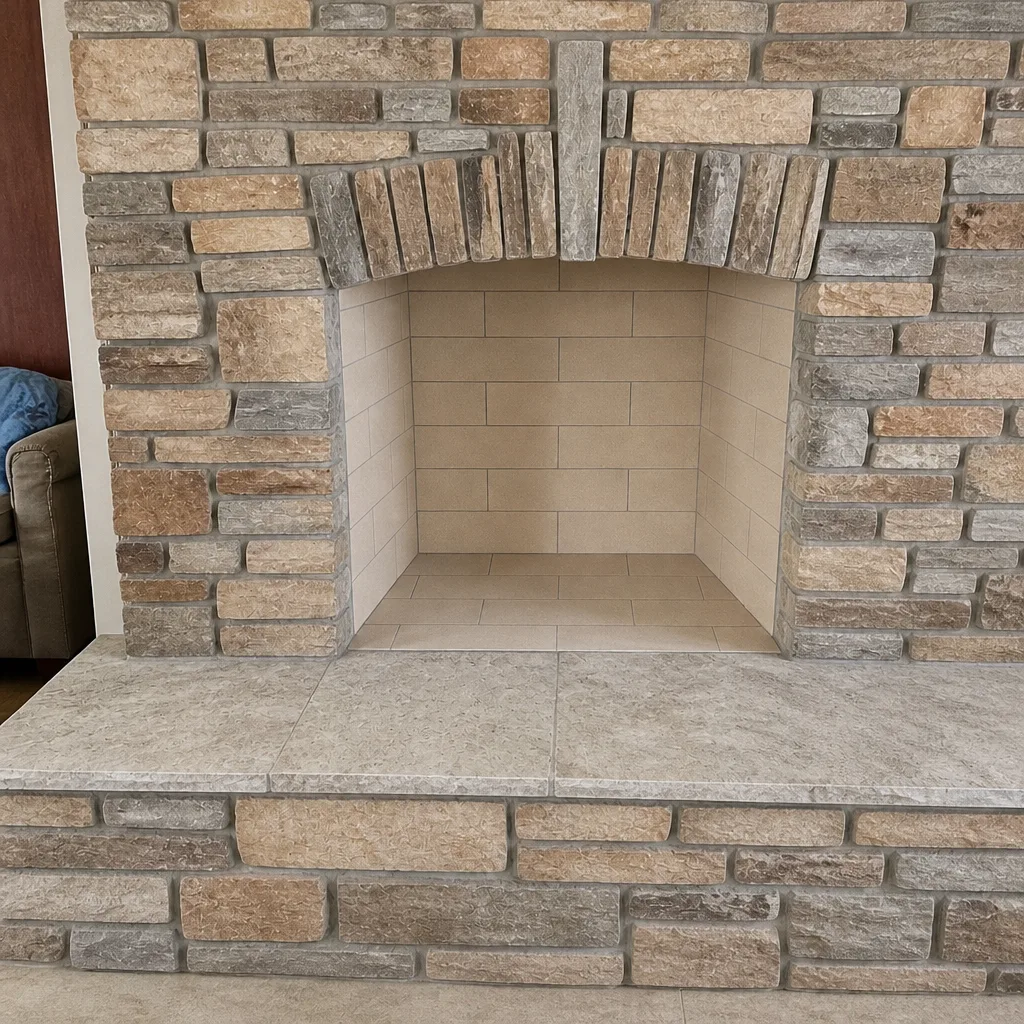
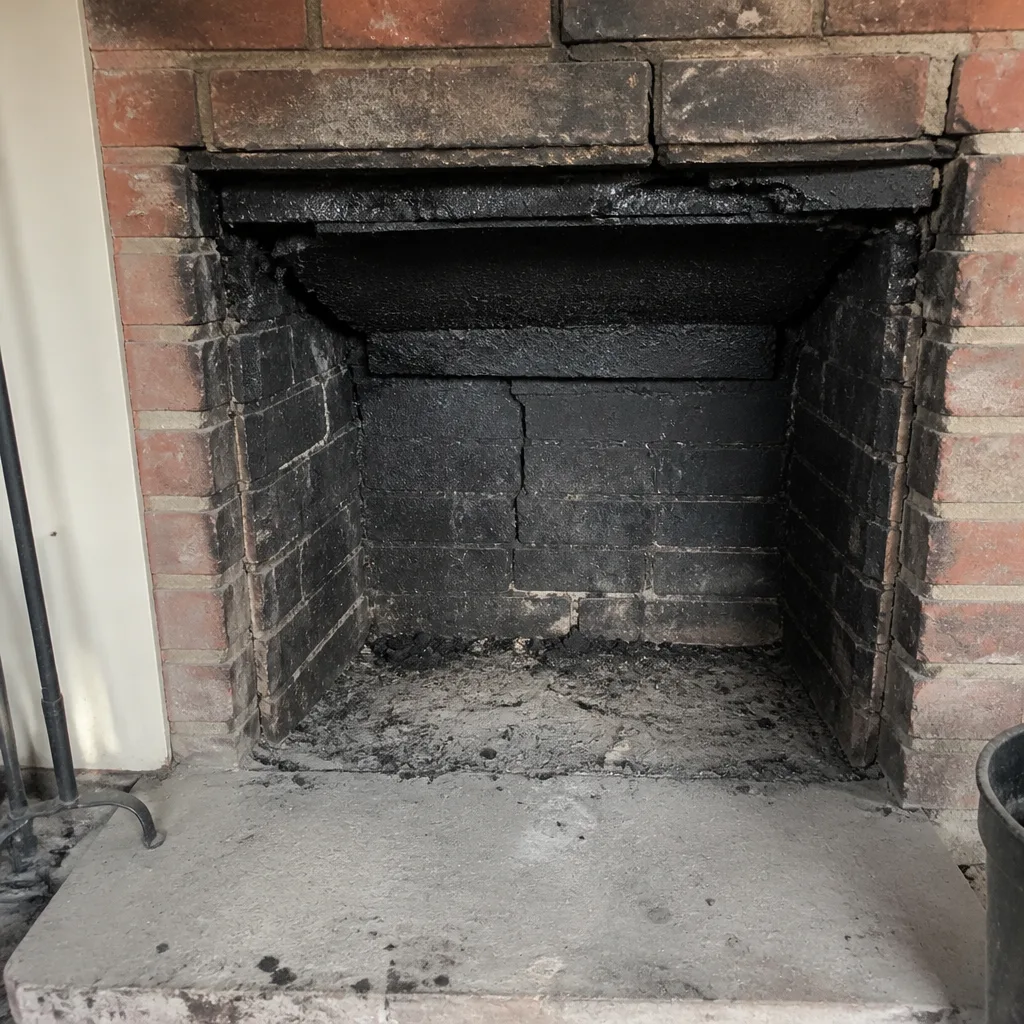
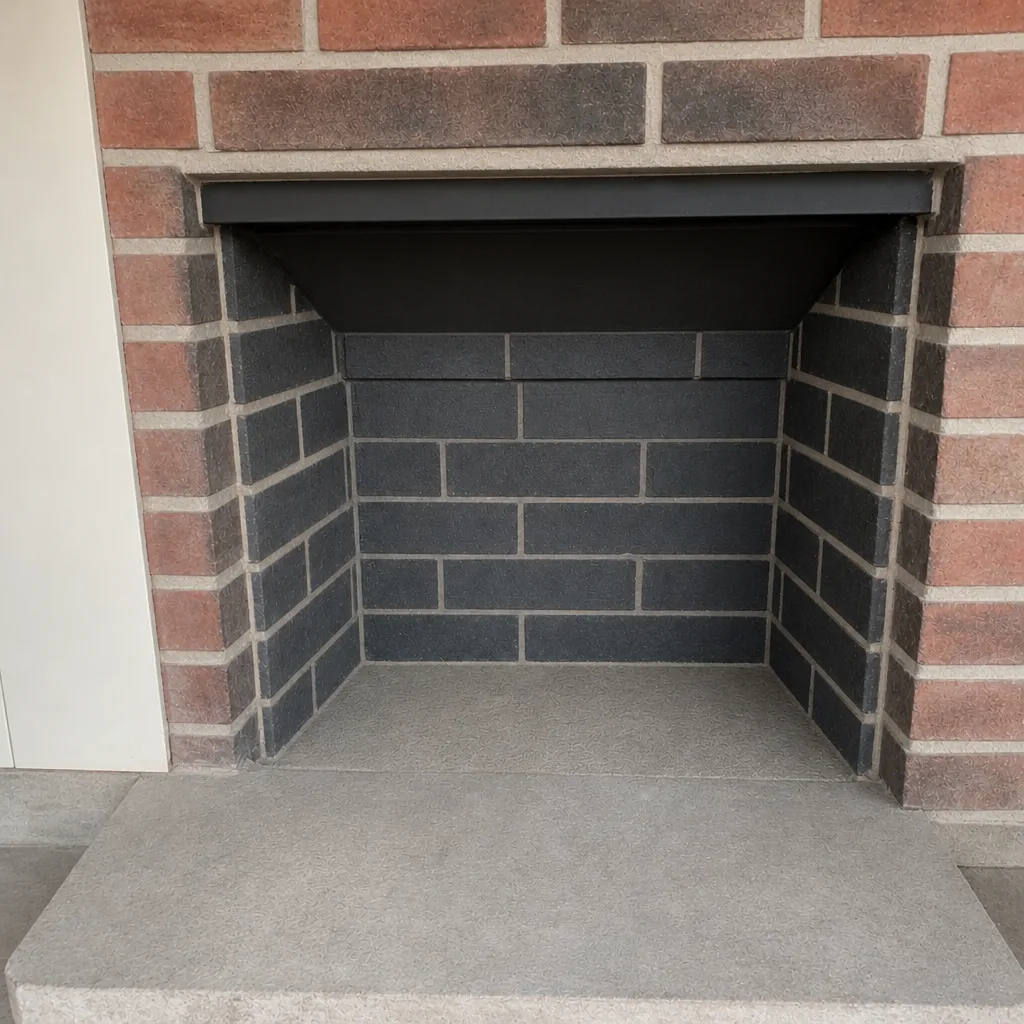
See the difference
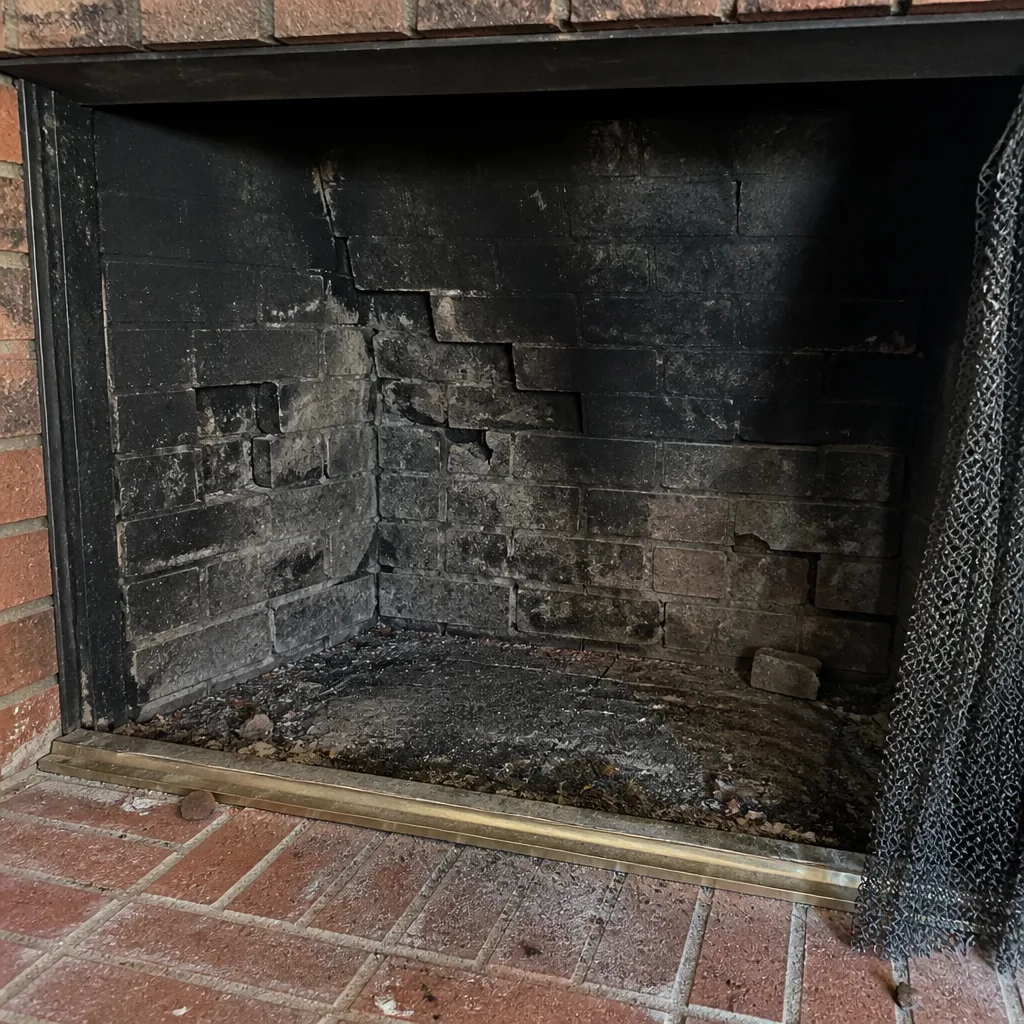 Before
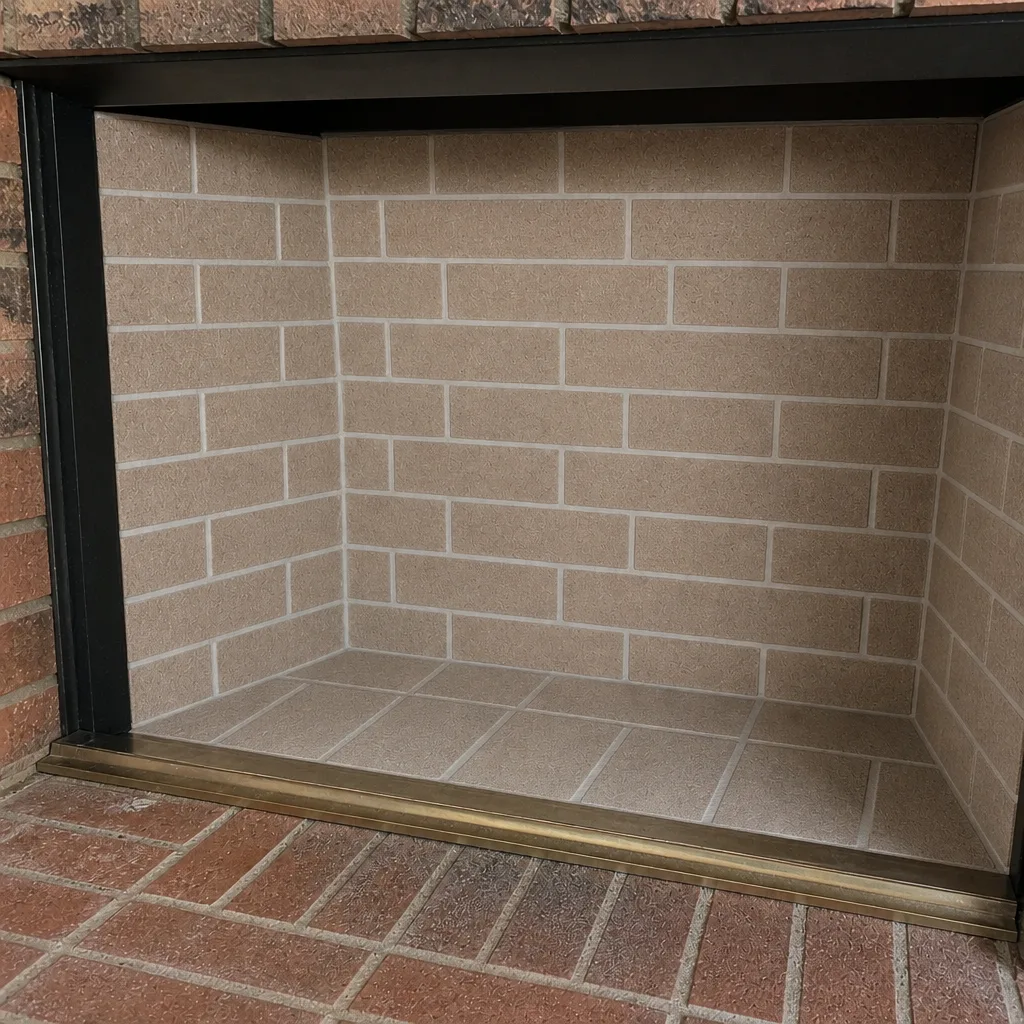 After
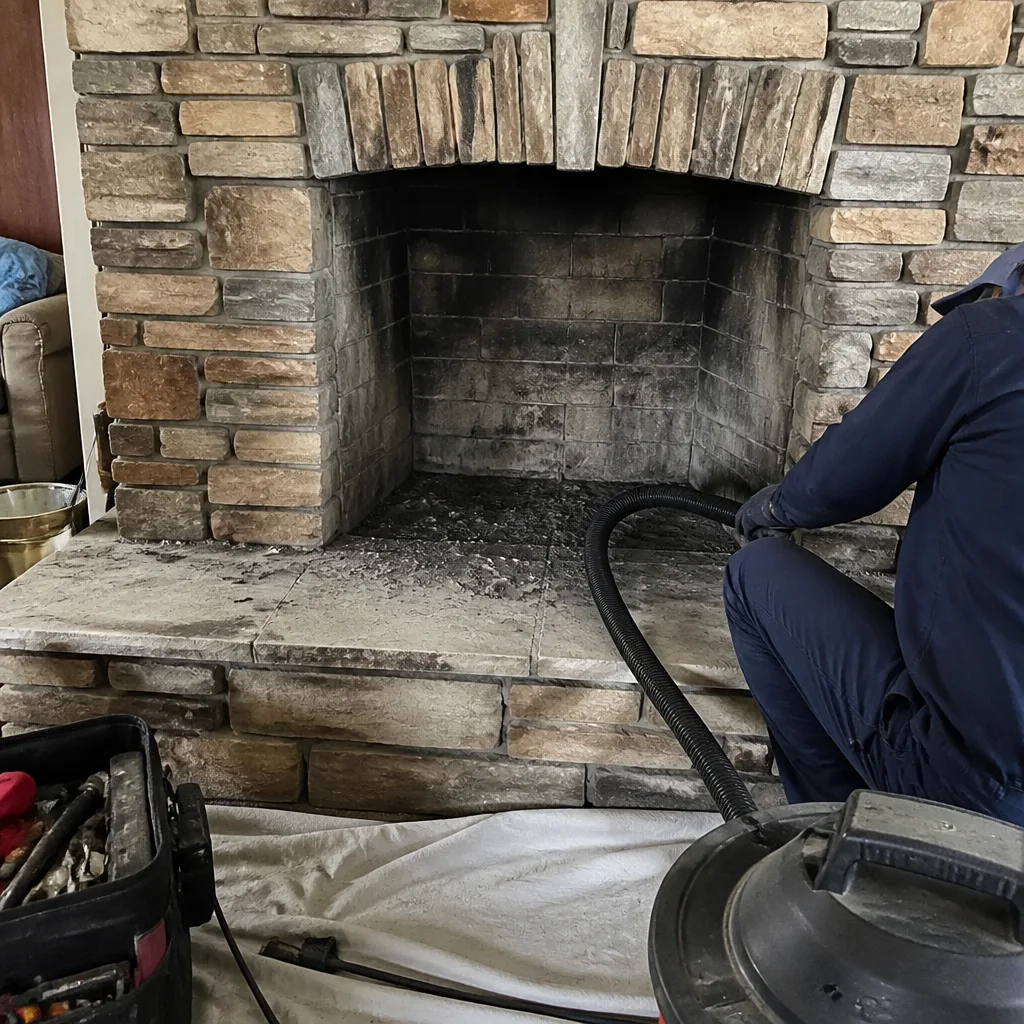 Before
 After
 Before
 After
When to Call a Professional
Call immediately for an active fire, CO symptoms with a fire or gas insert in use, or a sudden heavy backdraft into the living space. Anything less, book a scheduled appointment and describe what you’re seeing. A boilerplate distinction matters here: an appointment scheduled before a problem is cheaper than an appointment scheduled during one, and a routine sweep catches the creosote buildup, cracked tile, or obstruction at a stage where the repair is a short documentable job.
If you’re already thinking about the flue after a suspected event, the right next call is a technician who can run a Level 2 inspection with a camera and give you a written scope. For the Spring Valley area, we’ve been the team homeowners call when they need the diagnosis, the repair, and the material specified – whether it’s a HeatShield resurfacing for a deteriorated flue that can be restored without full tear-out, or a DuraFlex flexible liner system sized to the flue and appliance. Spring Valley homes have the same chimney failure modes as anywhere else; the difference is that so many of them were built in a rush and deserve a technician who knows how to look at each flue as a specific case rather than a generic sweep.
Whitman Chimney Cleaning offers free estimates in Spring Valley. Call (888) 344-4211 for a scheduled appointment. We answer 24/7. Fast dispatch, 7am-7pm, Sunday through Friday.
Frequently Asked Questions
An active chimney fire typically produces three signals: a low roaring sound in the flue, visible flame or a plume of dark smoke from the top of the chimney, and a persistent smell of hot metal mixed with creosote. Any of those means call 911 as a chimney fire from outside the home. Do not open the firebox to check. Do not spray water into the flue.
Evacuate everyone – people and pets – and call 911 from outside, reporting a possible carbon monoxide concern. Do not re-enter to open windows or shut down the fireplace. The fire department will meter the home and identify the source. After the event, do not use the fireplace or gas insert until a Level 2 inspection confirms the flue drafts correctly. If you’re in Spring Valley, call (888) 344-4211 to schedule that inspection once the fire department has released the home.
Yes, and it’s common. Many chimney fires self-extinguish when the creosote burns off and the fire starves for fuel. The signs appear afterward: puffy, honeycombed creosote in the flue, heat-cracked or spalled clay tile, warped damper components, or a discolored cap. A camera inspection confirms whether a fire occurred, and a sweep can see these signs even when you can’t.
No, not before documenting it. Photograph the firebox, smoke shelf, and damper as you found them, and preserve any fire department paperwork. Your inspector needs the soot patterns and crack locations as evidence for both the inspection and any insurance claim. Clean the firebox after the inspection, not before.
A chimney fire call routes through the fire apparatus dispatch as a potential structure fire. A carbon monoxide concern routes through fire and EMS with a metered response. Both get a fast response, but they are dispatched differently, so use the correct phrase on the call: “chimney fire” or “possible carbon monoxide.” Give the address, occupancy, and whether anyone is symptomatic.
The climate itself isn’t the main factor – burning habits are. Spring Valley homes often burn more intensively over a compressed cold season, which means creosote can build quickly in a flue that was only lightly used the season before. Dry wood and a pre-season sweep matter more than any specific weather pattern. A routine sweep scheduled before the first cold snap is the single most useful preparedness step most homeowners can take.
The Bottom Line
Chimney emergencies are rare, but the difference between a manageable event and a serious one usually comes down to two things: knowing which signs mean immediate action and knowing what not to do in the first five minutes. The three emergencies – active chimney fire, CO symptoms with a fire or gas insert in use, and sudden heavy backdraft – are the only situations that require you to leave the house and call 911. Everything else can be scheduled. Document before you clean if a fire is suspected. Photograph the firebox, preserve the paperwork, and book a Level 2 inspection before the next fire. Preparedness for a Spring Valley home is a short checklist, a fresh extinguisher, and a working CO alarm on every level. The rest is knowing when to call.
Call (888) 344-4211 for a free estimate. We answer 24/7. Fast dispatch from 7am to 7pm, Sunday through Friday.
Written by the team at Whitman Chimney Cleaning.