
Last updated November 15, 2026
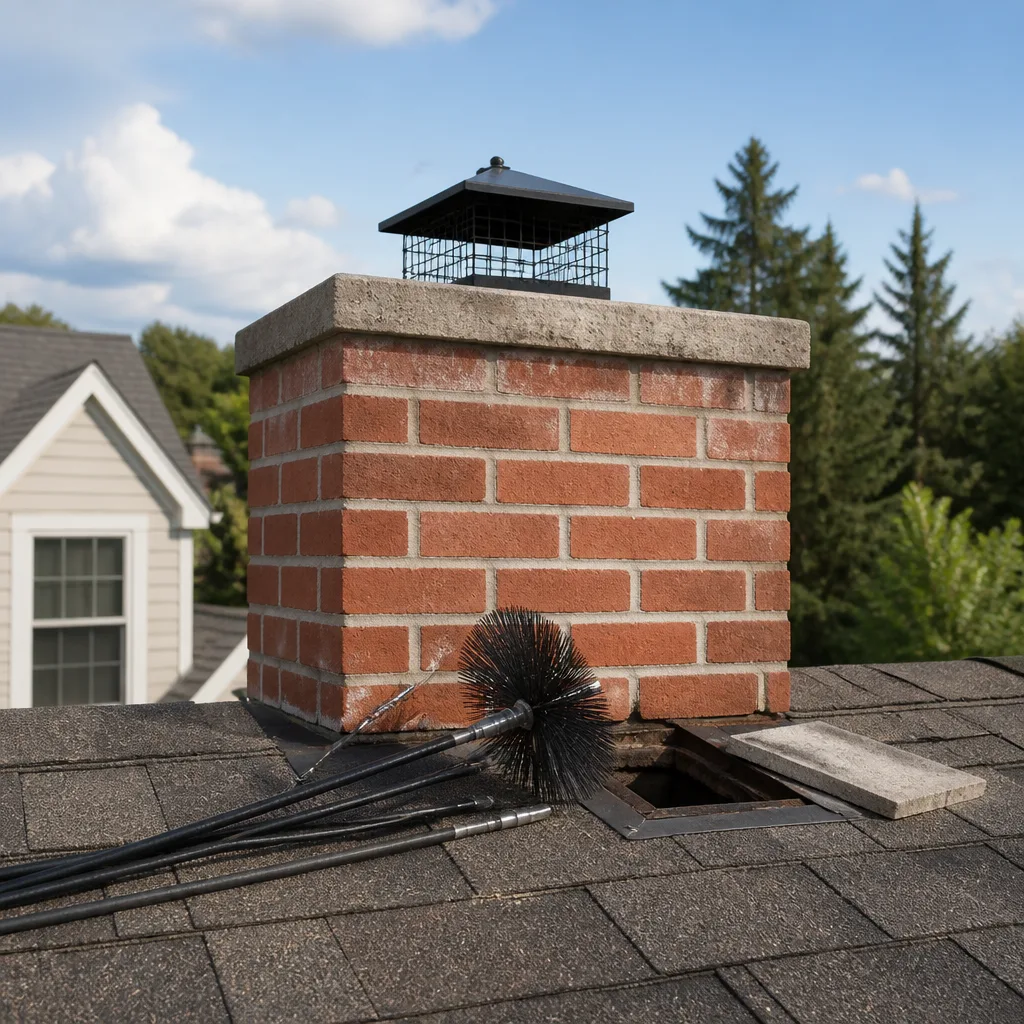 Sweep & inspection
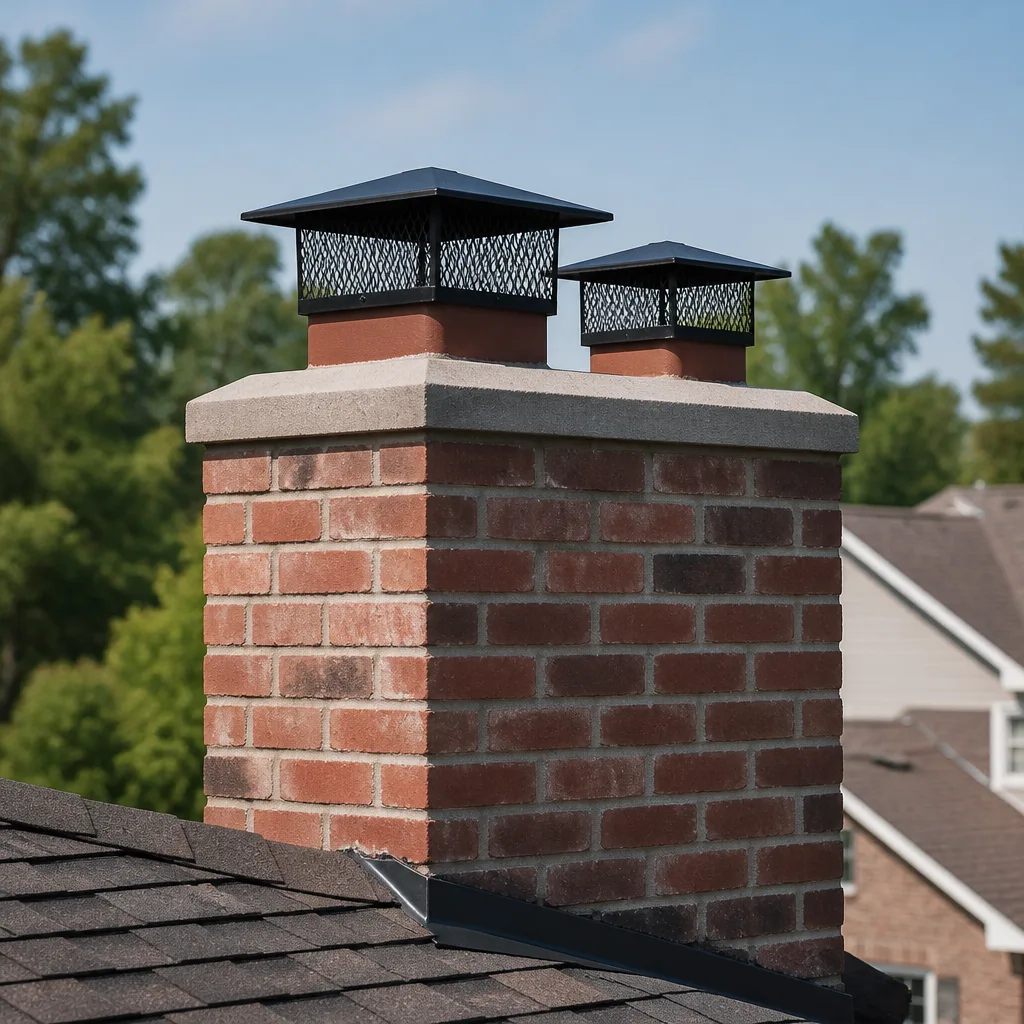 Caps & crowns
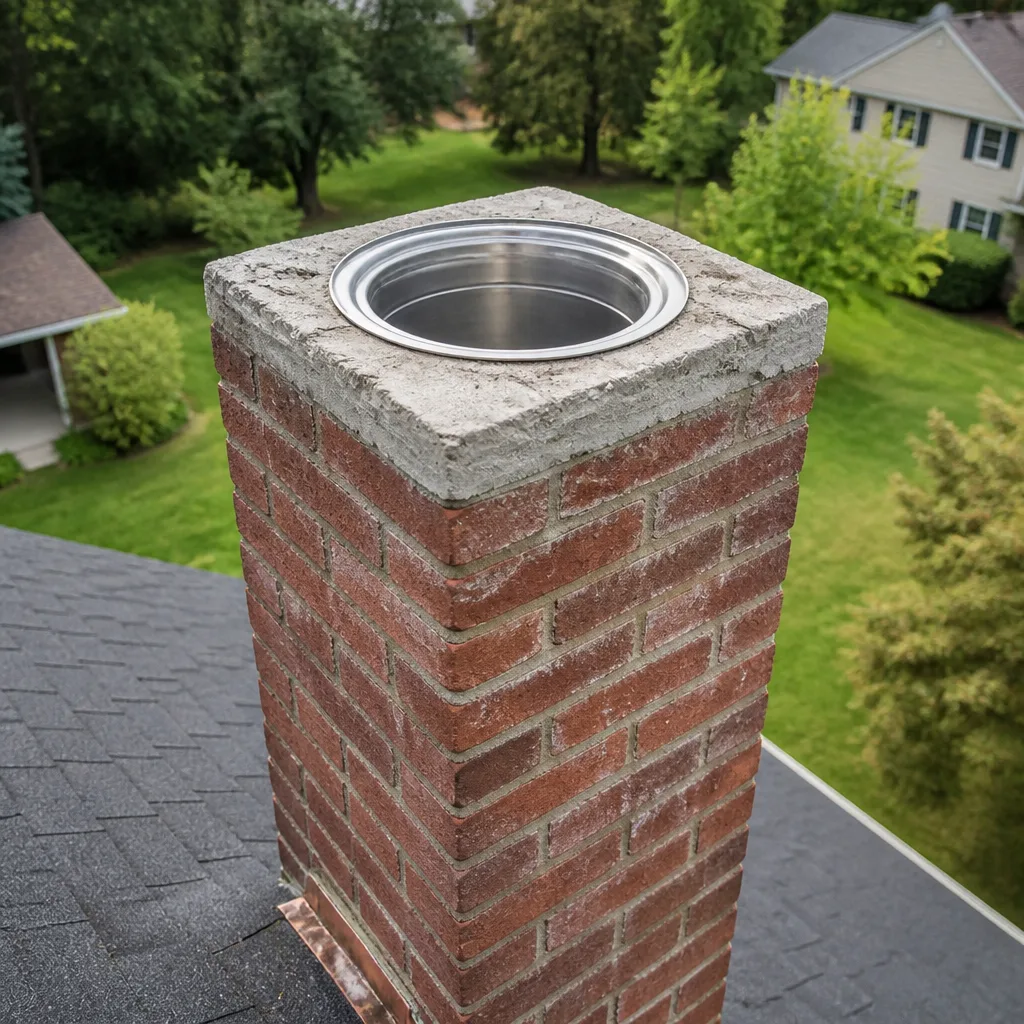 Flue relining
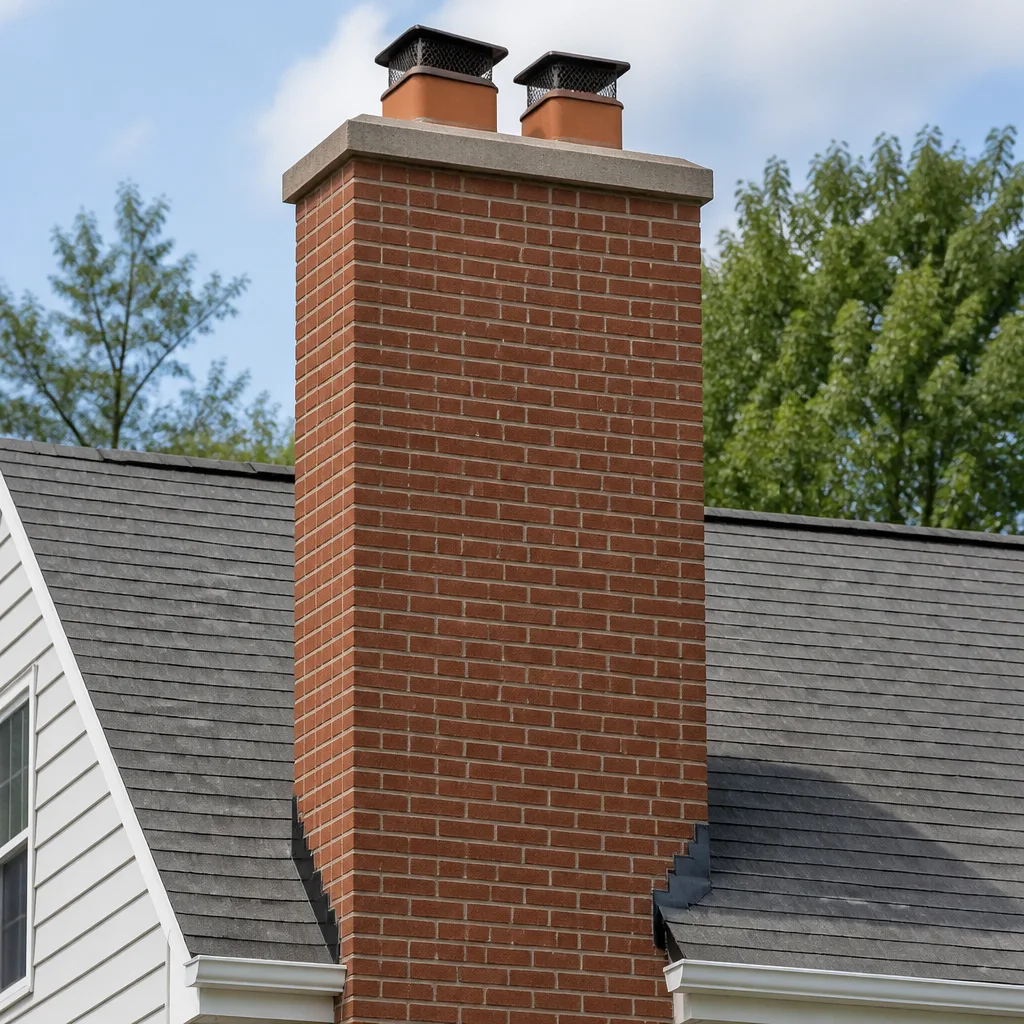 Masonry repair
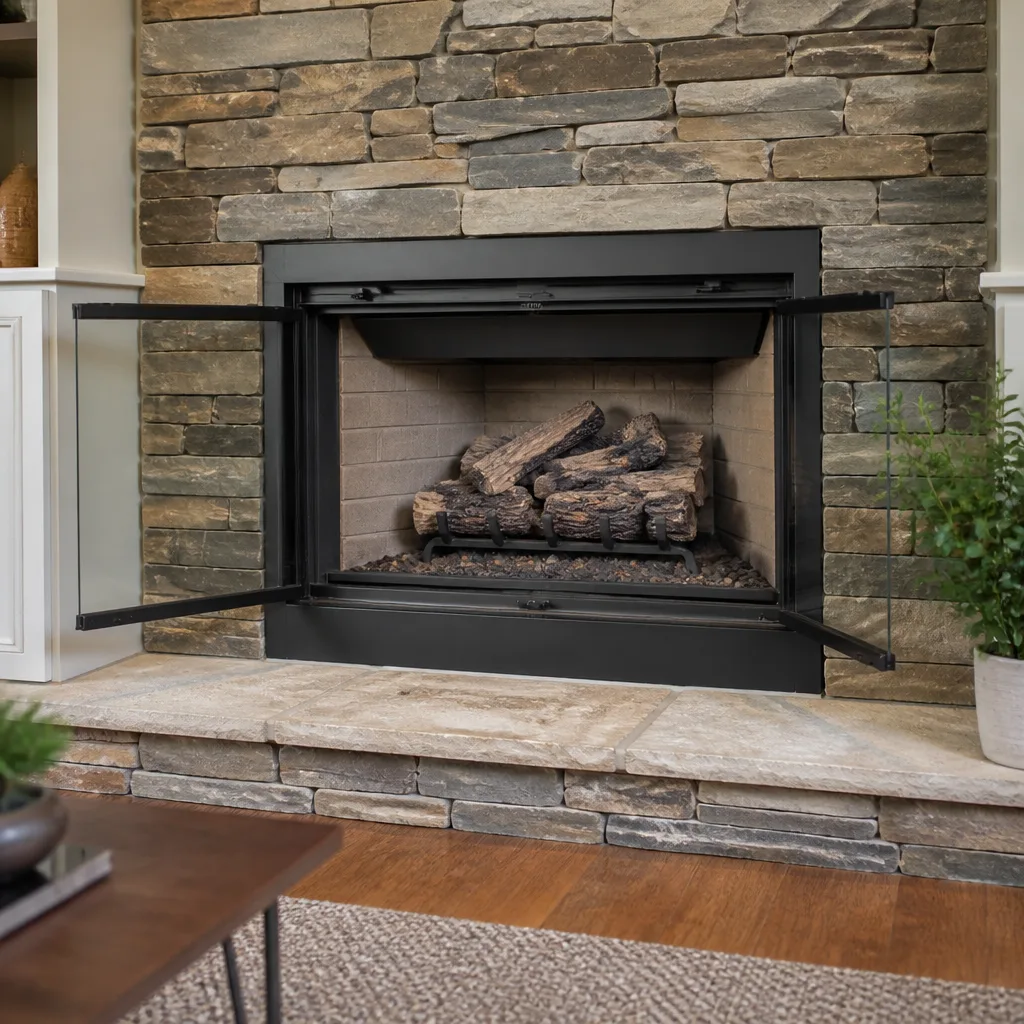 Gas fireplace service
Level 1 sweep and inspection to the NFPA 211 annual standard - flue, crown, cap, and flashing checked and photographed
Chimney sweep logs do not sweep chimneys. They loosen some creosote - which then falls where a brush and vacuum still have to collect it.
Chimney Sweep Maintenance Schedule: What to Do and When
The advice to sweep once a year before winter was written for the Northeast, where a damp fall pushes homeowners indoors early and the fire season runs long and cold. Spring Valley doesn’t work that way. Here, the calendar that actually matters opens after the monsoon rains of late summer, when an uncapped flue has spent weeks pulling in windblown dust and moisture, and it closes in the sharp dry heat of May, when nobody lights a fire and small problems quietly set. Follow the generic schedule and you’ll miss your one real inspection window. This guide lays out a month-by-month calendar built around how Spring Valley chimneys actually age: fuel type, how often you burn, and what our desert climate does to mortar, caps, and liner joints.
Quick Answer
Sweep and inspect your wood-burning chimney once a year, or more often if you burn heavily, and schedule that inspection for September so it falls right after monsoon season and before the first fire. Gas-only systems still need an annual vent inspection even though they make no creosote. Dryer vents should be cleaned based on how much laundry you run, not the calendar, which for most households works out to once a year and for large families twice. Match every visit to the right inspection level, and you’ll catch most problems while they’re still cheap to fix.
Styles & brands we work with
- Sweep & inspection
- Caps & crowns
- Flue relining
- Masonry repair
- Gas fireplace service
Table of Contents
- Why a Spring Valley Maintenance Schedule Isn’t the Standard One
- September: The One Inspection That Matters Most
- Wood-Burning Chimneys: What to Do and When
- Gas Fireplaces and Log Sets: The Annual Vent Check
- Dryer Vents: Set the Schedule by Load Volume, Not the Calendar
- Level 1 vs. Level 2 Inspections: Which One Your Schedule Should Trigger
- Tasks You Can Own Between Professional Visits
- The Month-by-Month Calendar
- Common Mistakes to Avoid
- When to Call a Professional
Why a Spring Valley Maintenance Schedule Isn’t the Standard One
A chimney in Spring Valley lives through a different year than one in Ohio. Our dry heat pulls moisture out of masonry for months, then a hard monsoon storm throws rain against the same surfaces in a few intense hours. That rhythm of long drying followed by sudden wetting stresses mortar joints and cap seams in a way steady, humid weather doesn’t. Cracks that would stay hairline in a mild climate open wider here as material expands and contracts against the dry air.
The second variable is how you burn. A household that lights a fire most nights in December and January builds creosote faster than one that has a fire a few weekends a season. One size of schedule can’t fit both. The National Fire Protection Association’s baseline guidance is that chimneys be inspected annually and cleaned as needed, and the “as needed” part is doing the real work. Your use pattern sets the true interval, and the desert climate sets the timing.
We see this clearly because our technicians work on chimneys across Spring Valley all year, and the pattern repeats. A flue that was fine in April looks different in October if its cap has been letting in monsoon rain all summer. That’s why the schedule in this guide is built around seasons here rather than a single annual checkbox.
And it’s why we treat maintenance and repair as one continuous line rather than two separate trades. When a sweep turns up a cracked crown or a failing joint, the same team that found it can resolve it, drawing on professional-grade systems like HeatShield for flue resurfacing or DuraFlex flexible liners when a flue needs relining. You don’t get handed a phone number and sent to find someone else. If you’d rather start with the basics, Whitman Chimney Cleaning lays out the full scope of what we handle.
What Makes Chimneys Age Differently Here
- Fuel type: Wood creates creosote and soot; gas creates water vapor and acidic condensate. The byproduct determines what degrades first.
- Use frequency: Heavy burning compresses the sweep interval; light use stretches it. The inspection stays annual either way.
- Dry heat: Long dry stretches draw moisture from masonry, and cycles of drying and rewetting open small cracks.
- Monsoon rain: A capped flue is protected; an uncapped one takes water straight down the flue, especially when wind drives rain sideways.
September: The One Inspection That Matters Most
September is the single most important month on the Spring Valley chimney calendar. By then, monsoon season has done its work on caps, crowns, and flue tops, and the first cool evenings are still a few weeks off. An inspection in this window catches storm-driven moisture and windblown debris before you light the season’s first fire, not after. Schedule it for any other month and you’re inspecting a system that hasn’t yet been through the event most likely to have damaged it.
Here’s what a desert flash rain event does. When rain falls hard and fast, it drives sideways under a loose cap or through a cracked crown. Masonry takes on water it can’t shed quickly in the following dry weeks, and that trapped moisture weakens mortar and rusts metal components. A flue that sat dry all summer can be quietly compromised by the time fall arrives.
Here’s what to look for when we inspect in September, and what you can watch for yourself:
- Water staining on the firebox or smoke chamber. Dark streaks or a damp smell point to moisture getting in from above.
- Loose or missing cap screen. Windstorms tear screens; a missing screen invites birds, debris, and rain.
- Cracked crown or wash line. The cement crown at the top of the chimney should shed water away from the flue, not collect it.
- Rusted damper or firebox components. Rust means moisture has been sitting where it shouldn’t.
- Efflorescence on exterior masonry. A white powdery bloom on the outside of the chimney signals water moving through the brick.
If those checks turn up a cap that’s past its life, we replace it with components sourced through lines like Gelco and Famco, chosen to fit the flue and weather-tested for the job. Fixing the cap in September protects everything beneath it through the next storm season.
Wood-Burning Chimneys: What to Do and When
Sweep and inspect a wood-burning chimney annually, and clean it whenever the creosote layer reaches a thickness where it can ignite, which for most households means once a season but for heavy burners can mean twice. Creosote is the fuel for a chimney fire, and it builds faster with smoldering, cool-burning fires than with hot ones. The trick is that you can’t judge creosote buildup by looking up the flue from the firebox; it has to be measured by someone with the right tools.
What a professional sweep actually involves, and why the geometry matters:
- Removal of soot and creosote from the firebox, smoke chamber, flue, and cap, using brushes matched to the flue’s shape and lining material.
- A visual check of the flue lining for cracks, gaps, and glaze, which on a clay tile flue can be subtle.
- Inspection of the damper to confirm it seals and opens fully.
- A look at the smoke chamber and shelf, where creosote collects out of sight.
When a sweep finds a lining that’s deteriorated, the fix isn’t always a full tear-out. HeatShield flue resurfacing is designed to restore worn mortar and tile from the inside, which is a repair path most sweep-only operations can’t offer because they don’t carry the system or the training. When a flue genuinely needs a new liner, we install DuraFlex flexible liner systems, and the choice between resurfacing and relining comes down to the condition of the existing structure, not to what’s easiest to sell.
For the deep detail on a routine cleaning, chimney sweep walks through what a visit covers. The maintenance schedule above is what keeps those visits from turning into repairs.
How Usage Changes the Interval
Think of your burn count as the clock. If you light a fire most evenings from December into February, you’re a candidate for a midseason sweep in addition to the annual inspection. If you burn a dozen fires a winter, one inspection in September will usually do. Be honest with yourself about the first number, because it’s the one that decides whether your creosote reaches a dangerous thickness before spring.
Gas Fireplaces and Log Sets: The Annual Vent Check
A gas fireplace needs an annual vent inspection even though it produces no creosote. What degrades in a gas-only system is different: the vent carries water vapor and mildly acidic condensate, the burner and log set accumulate dust and soot over time, and the venting connections and seals can loosen. None of that shows up as a creosote problem, which is exactly why homeowners skip the check and why it matters.
Here’s what actually wears out in a gas system and what the annual inspection targets:
- The vent and its connections. Condensate corrodes metal venting over time; loose joints or a blocked vent can push exhaust back into the room.
- The burner and pilot assembly. Dust and debris disturb the flame pattern and can cause incomplete combustion.
- The log set and ember bed. Soot and dust collect in the media and should be cleared so the flame burns clean and complete.
- The glass and seals. A compromised seal on a direct-vent unit lets combustion byproducts into the living space.
Carbon monoxide is the real reason this check isn’t optional. A gas appliance that isn’t venting correctly is a hazard you can’t see or smell, and an annual vent inspection is how it gets caught. That’s a safety point, not a scare tactic, and it’s why we treat the gas check as a standard part of the year rather than an add-on.
If your gas system’s venting has deteriorated, components like Olympia Chimney venting are part of how we put it right. The one thing you shouldn’t do is assume a gas unit needs no maintenance because it’s “clean-burning.” It burns clean, but its vent doesn’t stay sound on its own.
Dryer Vents: Set the Schedule by Load Volume, Not the Calendar
Clean your dryer vent based on how much laundry your household runs, not on the calendar year. A family doing several loads a day accumulates lint far faster than a couple doing two loads a week, and that difference should drive whether you clean once a year or twice. The NFPA identifies dryer vents as a leading cause of U.S. residential fires, and lint buildup is the fuel. The calendar can’t tell you when yours is due; the load count can.
Here’s a rough way to set your interval by load volume:
- One to two loads a week: annual cleaning is a reasonable starting point, with a visual check of the exterior vent more often.
- Three to four loads a week: annual cleaning, plus a look at the vent run for any kink or crush that traps lint.
- Five or more loads a week, or a large household: twice a year, because lint builds proportionally faster.
- Any household with pets: shorten the interval, since pet hair adds to what the lint screen can’t catch.
The reason the schedule is work estimating rather than fixed is that lint accumulation isn’t linear with time; it’s tied to the volume of damp, fibrous material moving through the duct. A long, flexible vent run with bends traps more lint than a short straight run, so a household with a long run may need cleaning sooner than its load count alone would suggest.
Combining a dryer vent cleaning with your chimney visit means one appointment handles two of the leading household fire hazards, which is a practical reason our schedule bundles them. Both services draw on the same trained team, and both are part of the same annual rhythm.
Level 1 vs. Level 2 Inspections: Which One Your Schedule Should Trigger
Your schedule should trigger a Level 1 inspection in a normal year and a Level 2 when something has changed. A Level 1 is a visual check of the readily accessible parts of the system using standard tools, and it’s the right call when you’ve had no changes and no problems. A Level 2 goes further, with a camera or specialized tools that examine the flue and other concealed areas, and it’s triggered by a change in the system or a change in how you use it, not simply by the passage of years.
The triggers that should move you from a Level 1 to a Level 2:
- A change in fuel type or appliance. Switching from wood to gas, or installing a new insert or log set, changes what the venting has to handle.
- A chimney fire or a suspected one. Even a small fire can crack tile or warp metal that looks fine from the firebox.
- A new home or a recently purchased one. You don’t know the system’s history, so a Level 2 establishes a baseline.
- After a significant storm or seismic event. Structural movement can open gaps you can’t see without a camera.
- A persistent performance problem. Smoke rollout, weak draft, or a smell in the house points to a concealed issue worth a closer look.
Here’s where the levels matter practically. A Level 1 can tell you the flue is dirty and the damper works. A Level 2 can tell you whether a tile joint has shifted deep in the run, which a Level 1 can’t see. In our experience across Spring Valley, the difference between a quick fix and a large repair often comes down to catching that deep problem early, during an inspection you scheduled because a use pattern changed. Camera evidence lets you see what we see, which is the honest way to recommend work.
Tasks You Can Own Between Professional Visits
Several maintenance tasks are safe for a homeowner to handle between professional visits. They’re all observation and light care: checking, testing, and clearing things you can safely reach. They don’t involve the flue interior, the liner, or anything up a ladder. One safety note up front: the interior of a chimney and the roof itself are not DIY territory. Cracks, gaps, and loose components at height can cause serious injury or a chimney fire if handled without the right training, so leave the flue and the roof to a trained professional.
What you can own between visits:
- Check the cap screen after a windstorm. Look up from the ground with binoculars. If the screen is torn, bent, or missing, the opening lets in birds, debris, and rain, and it should be repaired before the next storm.
- Test the damper seal. Close the damper and look up from the firebox with a light. If you can see daylight around the edges, the seal isn’t tight, and heat and smoke are escaping when the fireplace isn’t in use.
- Read the smoke on your first fire. A fire that sends smoke into the room instead of up the flue points to a blocked or undersized flue, a damper that isn’t open, or a draft problem. Note what you see and call.
- Clear the firebox ash. Keep ash to a manageable depth; excessive buildup reduces airflow and can shorten the life of the firebox floor.
- Inspect the exterior masonry from the ground. Look for efflorescence, missing mortar, or a cap that looks out of level, all of which signal moisture or movement.
These checks catch problems early, but they don’t replace the annual professional inspection, because the things that matter most sit inside the flue where you can’t safely reach.
The Month-by-Month Calendar
Here’s how the year breaks down for a typical Spring Valley household, mapped to what’s actually happening to the system each season. Not every task applies every month; use this as a rhythm, and adjust for your fuel type and load count.
- January – February (peak burn): Watch the smoke and draft during use. If you burn most evenings, this is when creosote builds fastest, so note whether you’re a candidate for a midseason sweep. Keep the damper working smoothly.
- March – April (wind-down, wind season): After your last fires, check the cap screen from the ground for wind damage. This is a good window to book a sweep if spring is easier for you than fall, so the flue sits clean through summer.
- May – June (dry season): The sharp dry heat is when small cracks in masonry open and early moisture problems show as efflorescence. A spring glance at the exterior lets you catch them before the rains return.
- July – August (monsoon): This is when caps and crowns get tested. After a hard storm, look up at the cap from the ground. Any damage here is the leading cause of fall flue issues.
- September (the critical window): Schedule the annual inspection and sweep now, after the monsoon and before the first fire. This is the month that sets up a safe season.
- October – November (first fires): Read the first fire’s smoke behavior. If draft is weak or smoke rolls out, call before you keep burning. Confirm the damper seals.
- December (in-season care): Keep ash under control, watch for a smell or draft change, and trust a gut check: if a fire doesn’t draw like it usually does, stop using it and get it looked at.
For gas systems, the rhythm is simpler but no less annual. Put the vent inspection in September too, so both wood and gas households share one maintenance anchor. For dryer vents, set the interval by your weekly load count and note it where you’ll see it, so the next cleaning isn’t a guess.
Common Mistakes to Avoid
- Following the generic “sweep before winter” advice. It was written for a climate that isn’t ours. In Spring Valley, September is the window that catches monsoon damage before the first fire, not October or November.
- Skipping the gas fireplace because it makes no creosote. A gas-only system still needs an annual vent inspection for water vapor, corrosive condensate, and venting connections, none of which show up as soot.
- Setting the dryer vent cleaning by the calendar. Load volume, not the date, determines when lint reaches a dangerous depth. A large household may need two cleanings a year while a light one may need one.
- Choosing the inspection level by years elapsed alone. A change in fuel type, a chimney fire, a new home, or a storm should trigger a Level 2, no matter how recent your last inspection was.
- Ignoring the cap and screen after a monsoon storm. A torn screen or loose cap lets in moisture and debris, which is what drives many of the fall issues we see in Spring Valley.
- Reading creosote by eye from the firebox. You can’t see the buildup deep in the flue, and that’s where it matters. Only an inspection with the right tools gives an honest answer.
- Assuming a “clean-burning” fuel means no maintenance. Whether it’s wood or gas, the venting and the structure still age. The fuel changes what degrades, not whether anything does.
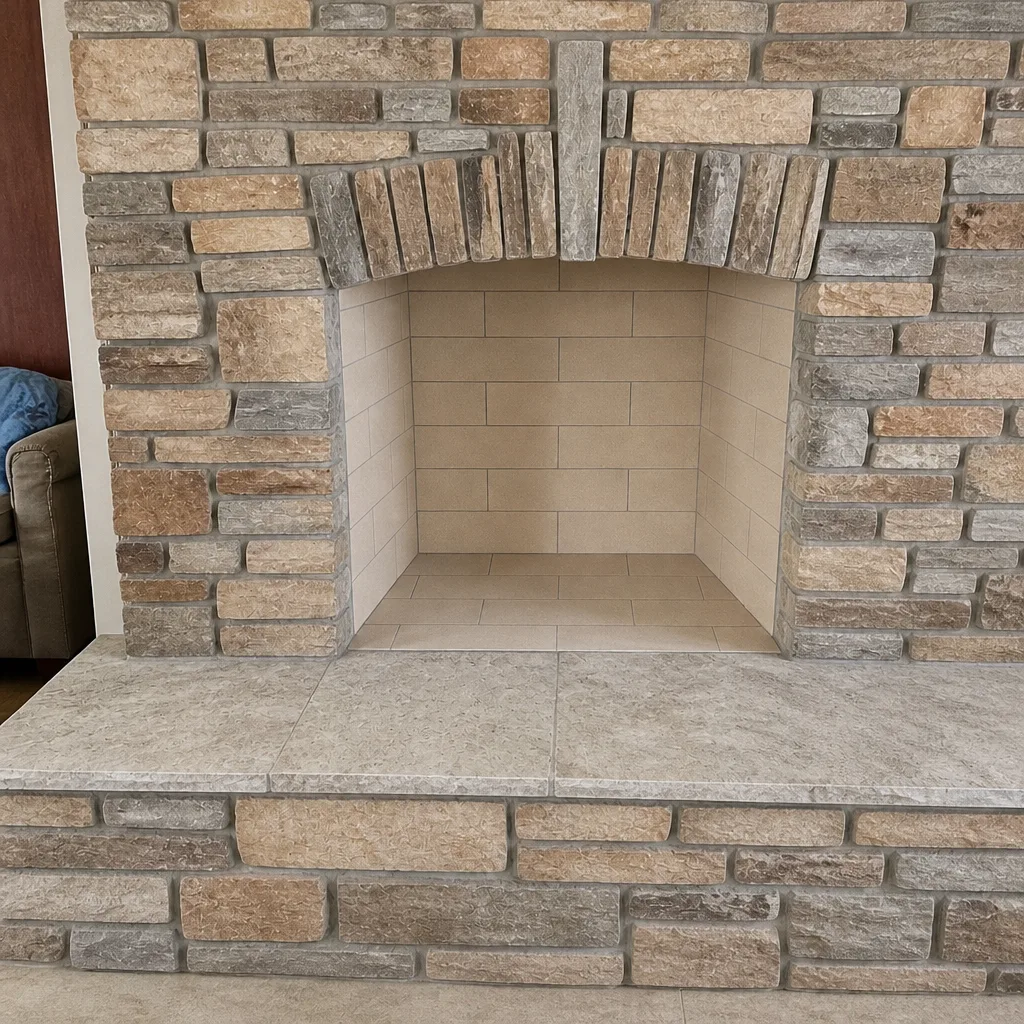
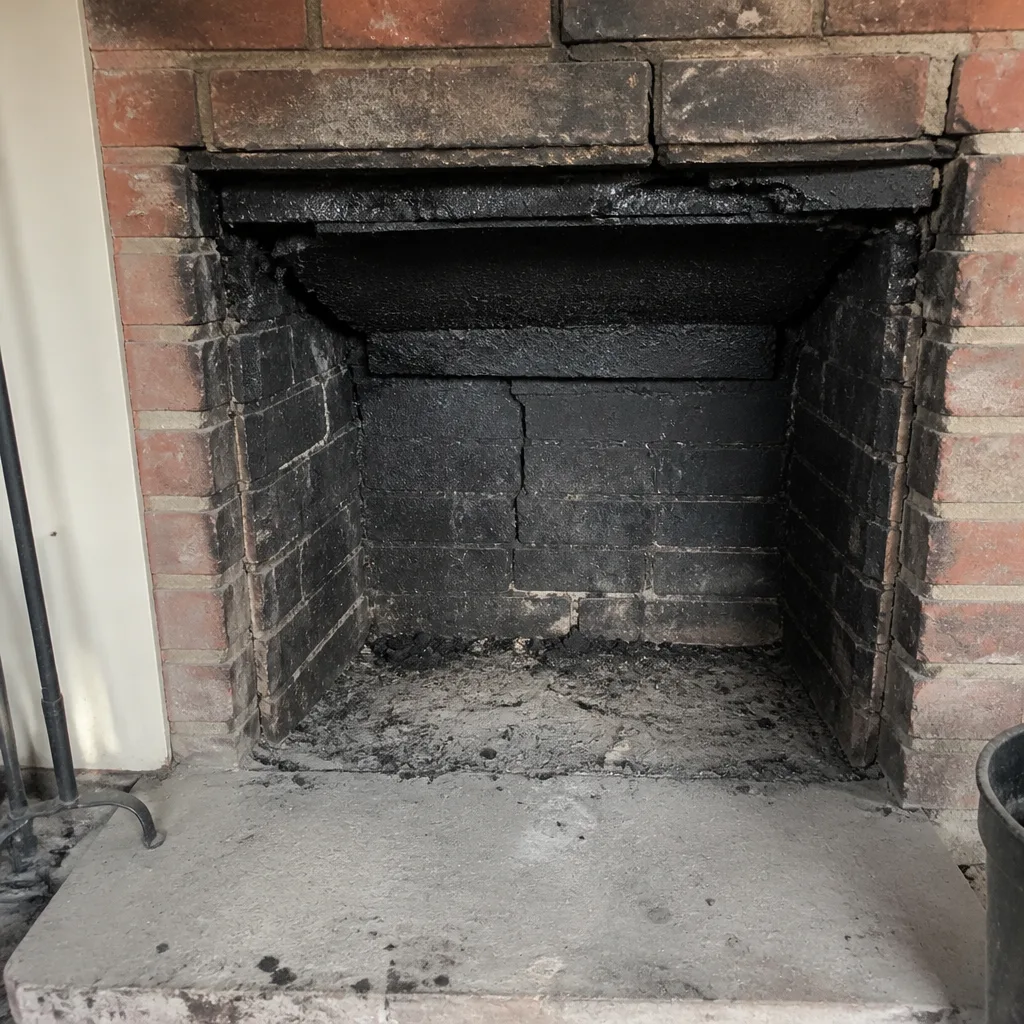
See the difference
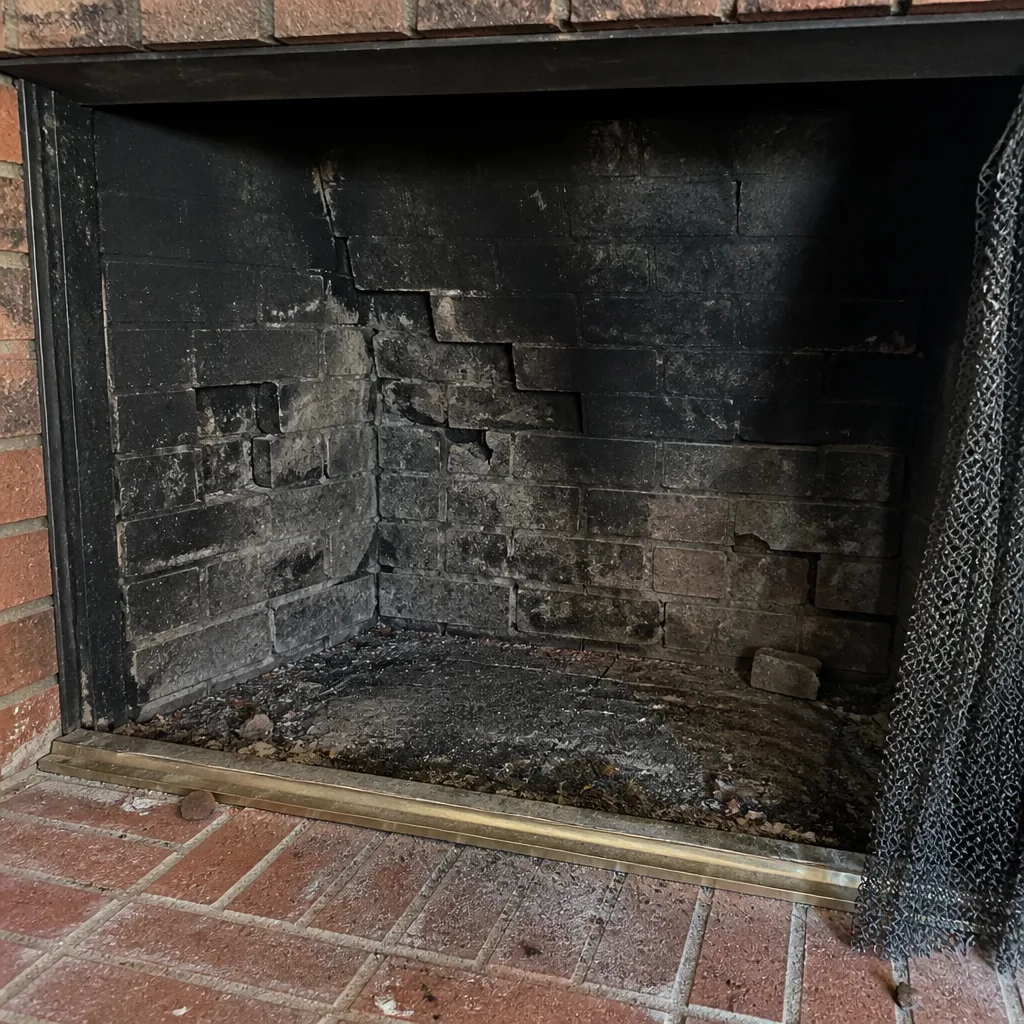 Before
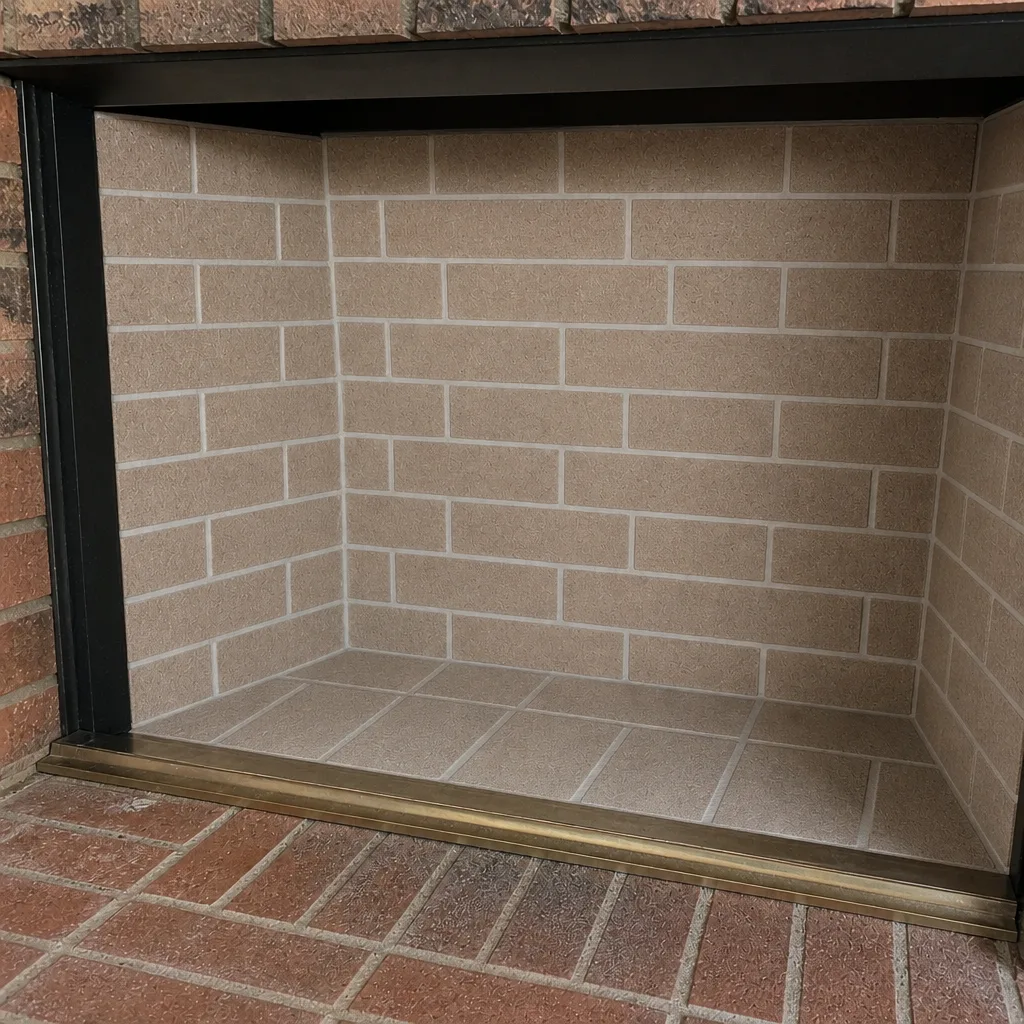 After
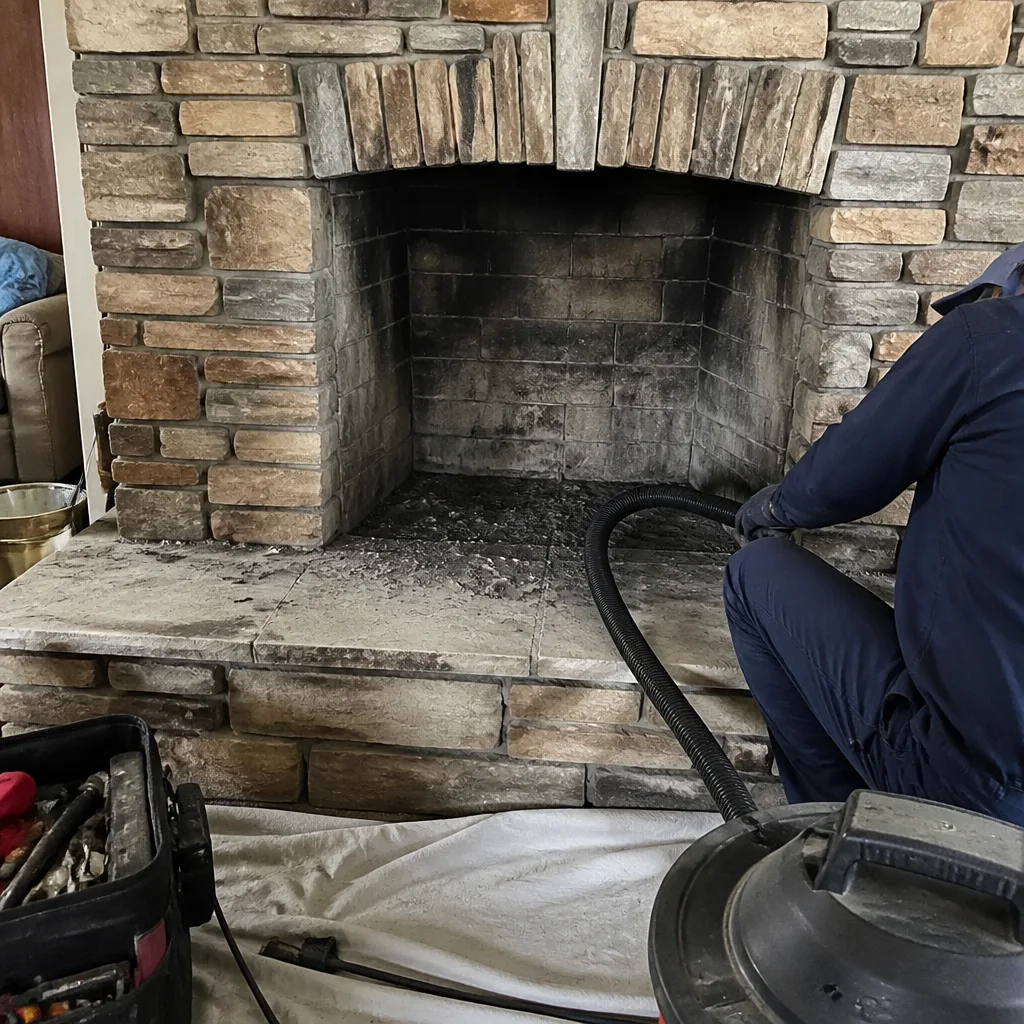 Before
 After
 Before
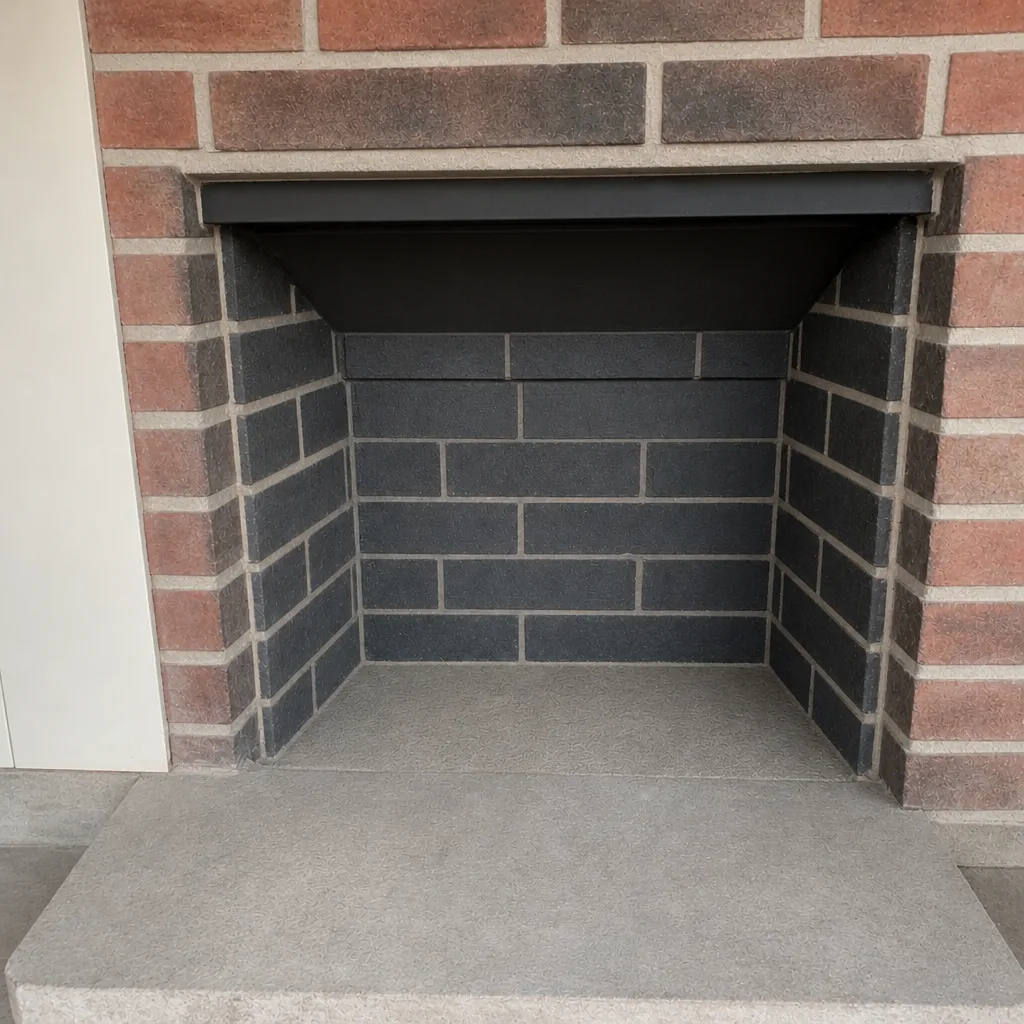 After
When to Call a Professional
Call a professional when smoke rolls into the room, when a fire doesn’t draw like it usually does, or when you smell creosote or sour dampness in the house even with the fireplace closed. Call after any chimney fire, even a small one that seemed to go out on its own, because the damage is often hidden. Call after a significant monsoon storm if you see a loose cap, missing screen, or new staining, and call whenever you’ve changed how you use the system, whether that’s a new gas log set or a switch in fuel type. And call if it’s simply been a year since your last inspection; the schedule is what prevents the emergency. Whitman Chimney Cleaning offers free estimates in Spring Valley. Call (888) 344-4211. We answer 24/7. Fast dispatch from 7am to 7pm, Sunday through Friday.
Frequently Asked Questions
Once a year for most households, with a September inspection timed after the monsoon and before the first fire. Heavy burners who light a fire most evenings may need a sweep twice a year, and gas-only systems still need an annual vent check even with no creosote. Call (888) 344-4211 for an exact quote, and estimates are free.
Not always. A deteriorated flue can sometimes be restored with HeatShield resurfacing rather than fully relined, and the right answer depends on the condition of the existing structure. Nothing is recommended without camera evidence you can see for yourself, and we’ll tell you plainly when a repair can safely wait. Call (888) 344-4211 to book an inspection.
Small problems grow unnoticed: creosote builds to a flammable depth, a cracked tile shifts, or a loose cap lets in monsoon water that quietly weakens the flue. A skipped year doesn’t always cause immediate trouble, but it removes the one check that catches these early. Call (888) 344-4211 to get back on schedule.
September falls right after monsoon season, so any moisture or wind damage the storms caused is present and visible, and it comes before the first fire of the season. Scheduling in October or November can let a rain-damaged cap or damp flue go unnoticed into a new burn season. Book your September visit by calling (888) 344-4211.
Yes. A gas system produces water vapor and acidic condensate that corrode venting, and its burner, seals, and connections can degrade over time, any of which can affect indoor air and carbon monoxide risk. The annual vent inspection targets exactly those components. Call (888) 344-4211 to schedule yours.
Count your weekly loads. One to two loads a week usually means annual cleaning; five or more, or a large household, usually means twice a year, and households with pets should shorten the interval. A long, bent vent run may need more frequent cleaning than the load count alone suggests. Call (888) 344-4211 for a free estimate.
The Bottom Line
The schedule that protects a Spring Valley chimney isn’t the national one-size-fits-all calendar. It’s a month-by-month plan built around our desert climate and how you actually use your system, anchored by a September inspection that catches monsoon damage before the first fire. Sweep wood chimneys annually, inspect gas systems annually too, and set dryer vent cleaning by load volume rather than the date. Match the inspection level to what’s changed, not just to the years elapsed, and handle the safe homeowner checks in between. Spring Valley households that follow this rhythm catch most problems while they’re still cheap to fix, and they start each burn season knowing what’s in the flue.
If something in this guide points to a job you need handled, we’re glad to take a look. Everything we do draws on professional-grade systems from a defined roster of suppliers, from HeatShield resurfacing to Olympia Chimney venting, so the right material gets matched to your flue rather than forced into one solution. Repair is handled in-house, so the team that diagnoses the problem resolves it. Call (888) 344-4211 for a free estimate. We answer 24/7. Fast dispatch from 7am to 7pm, Sunday through Friday.
Written by the team at Whitman Chimney Cleaning.