
Last updated November 15, 2026
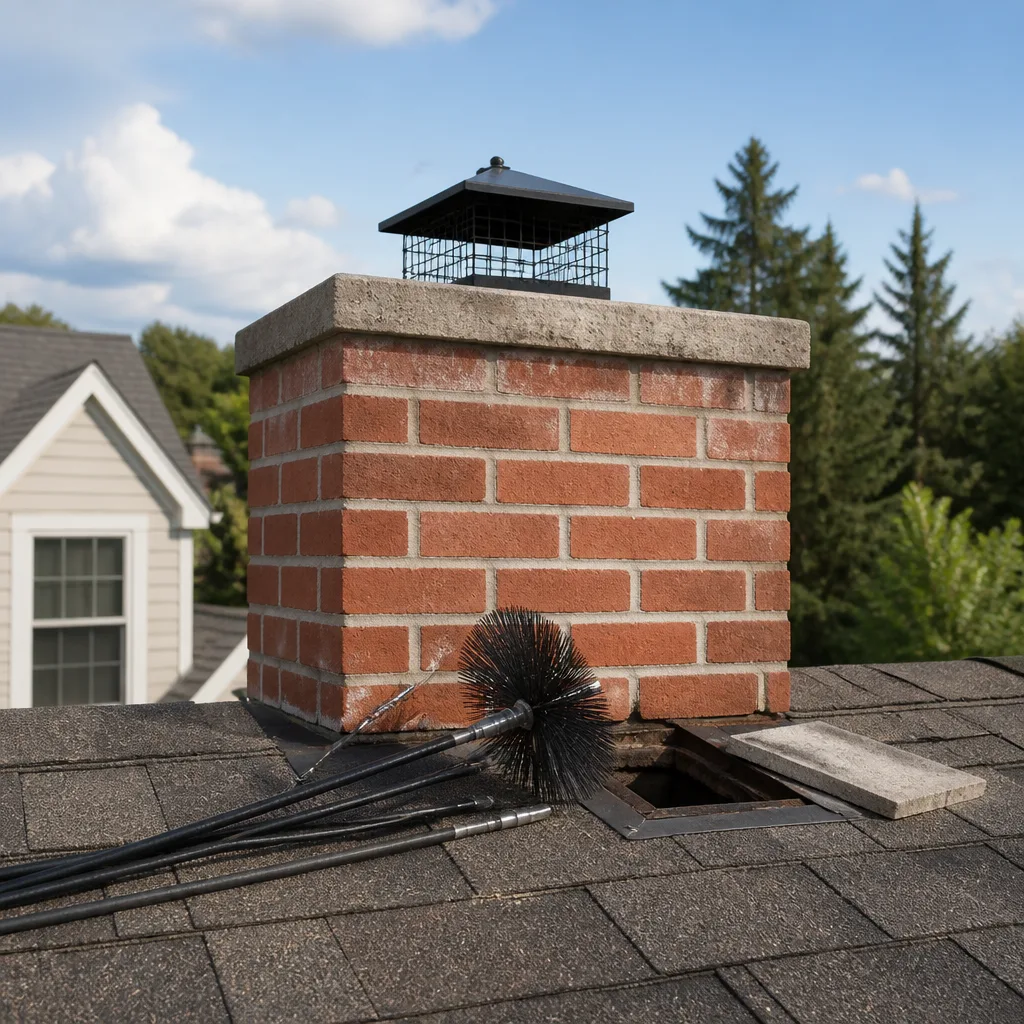 Sweep & inspection
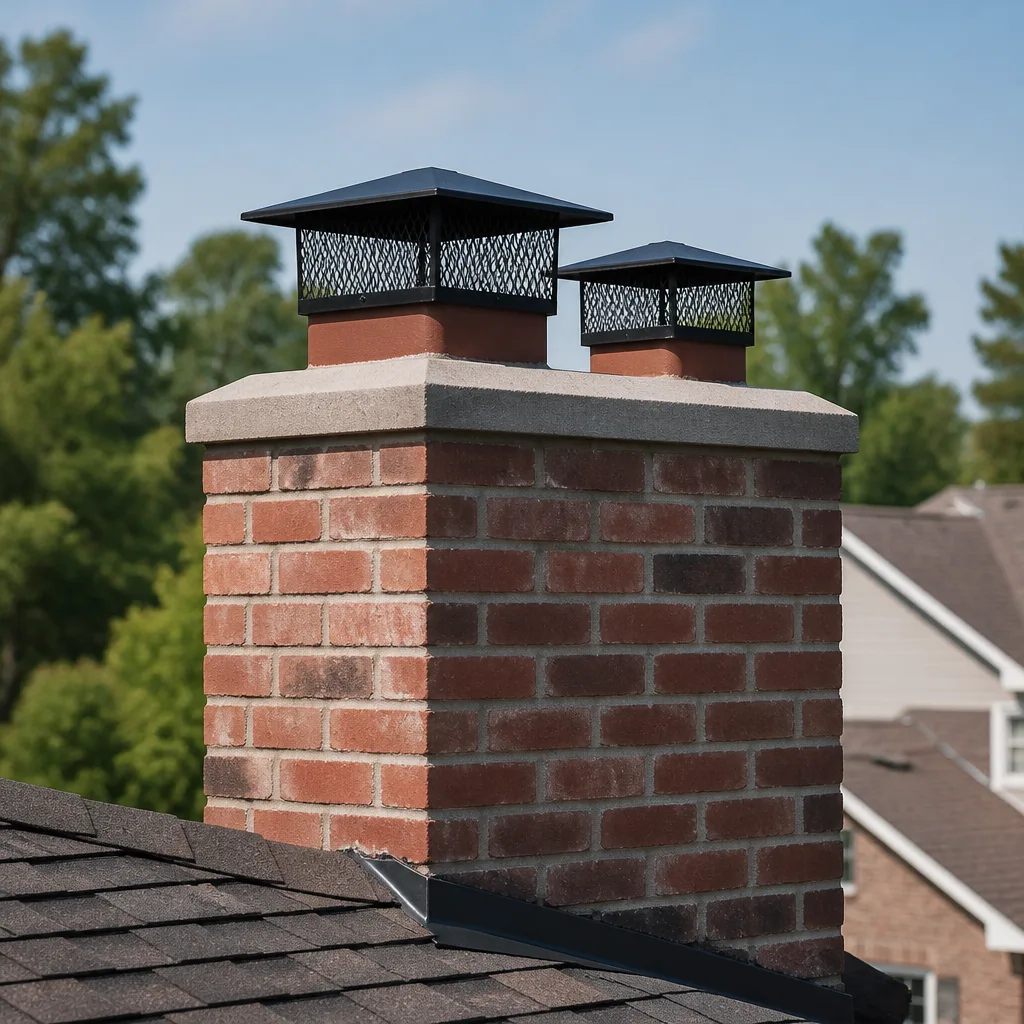 Caps & crowns
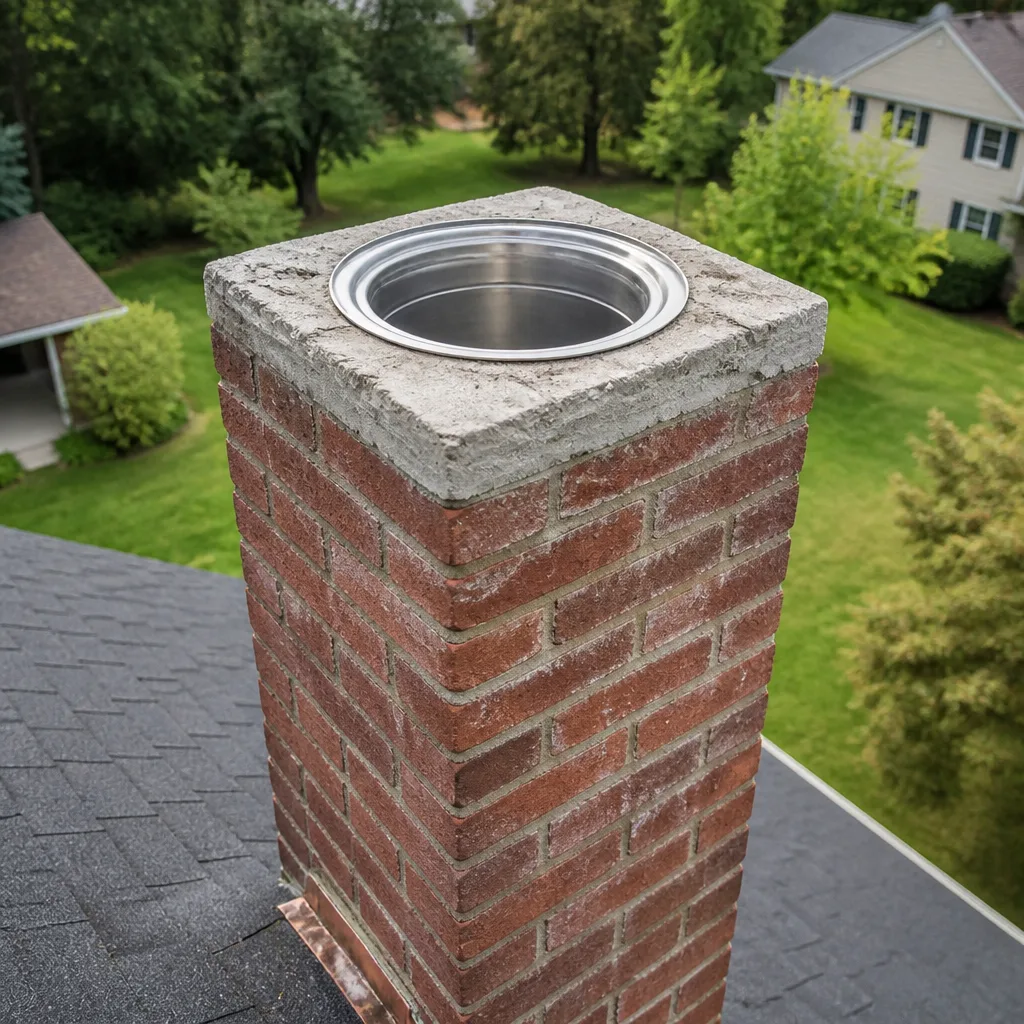 Flue relining
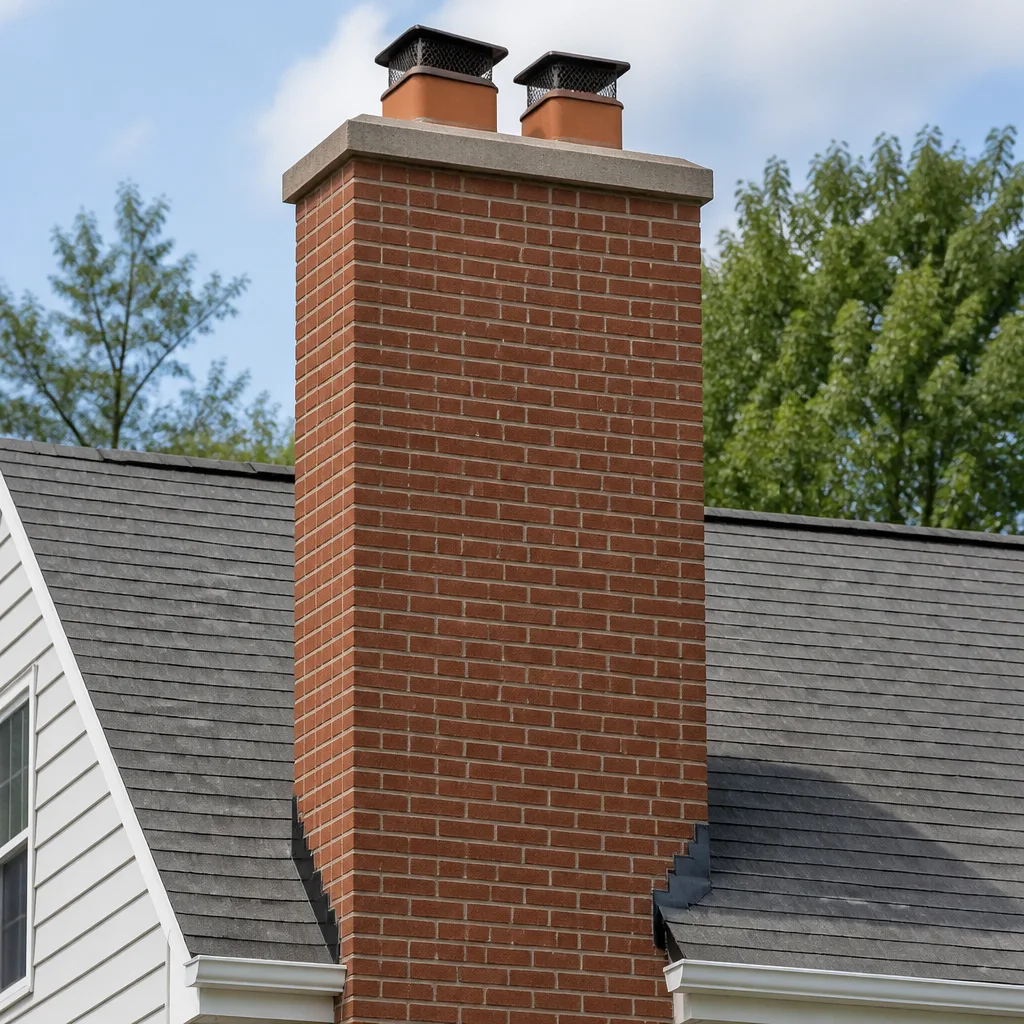 Masonry repair
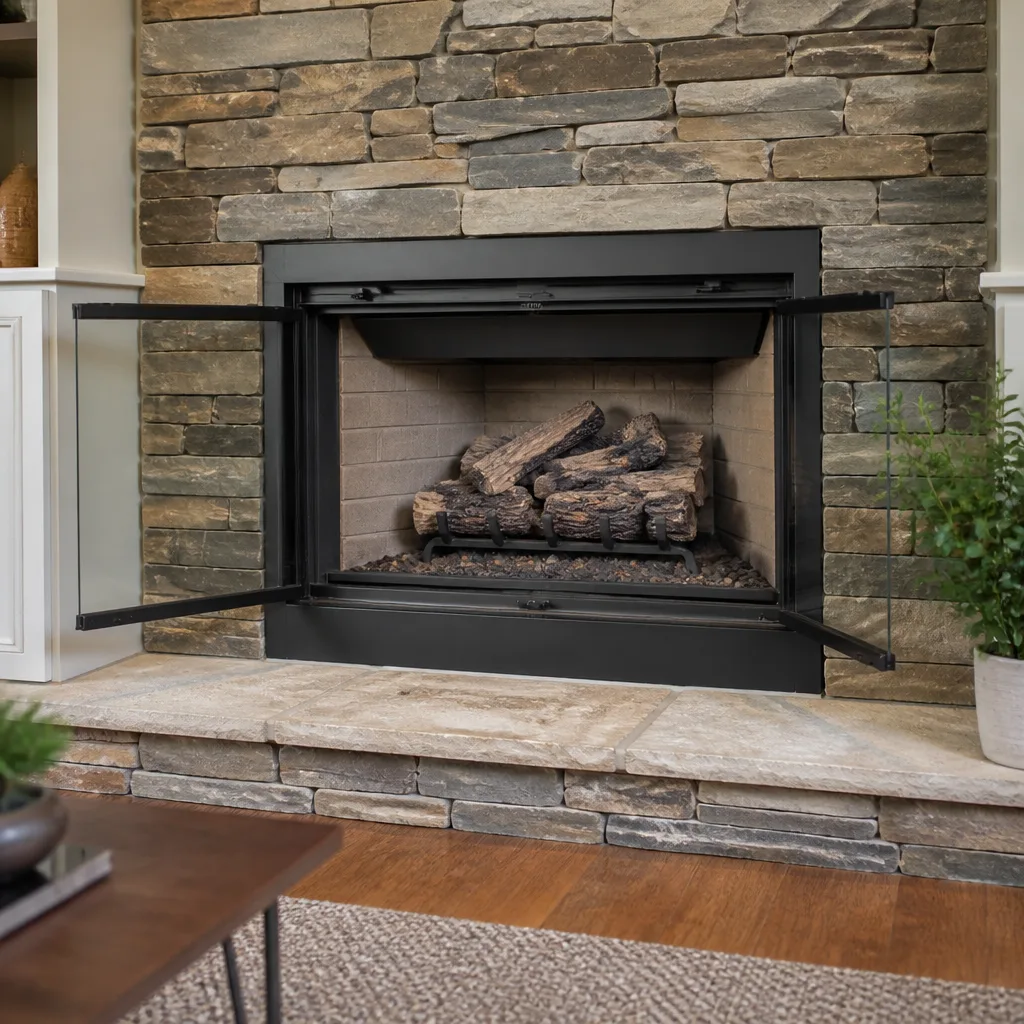 Gas fireplace service
Level 1 sweep and inspection to the NFPA 211 annual standard - flue, crown, cap, and flashing checked and photographed
Chimney sweep logs do not sweep chimneys. They loosen some creosote - which then falls where a brush and vacuum still have to collect it.
The Complete Guide to Chimney Cleaning in Spring Valley
Most chimney guides are written for the Mid-Atlantic or the Pacific Northwest, where flues sit in damp air for half the year and mold is the worry. Spring Valley is the opposite. We get fewer than 5 inches of rain a year, the air is dry nearly every day, and the burn season is short but intense. That changes how creosote forms, how dust moves through a flue, and what a sweep actually needs to accomplish. This guide maps the whole cleaning process to the desert conditions you actually live in, from inspection levels to the tools that match Nevada tract-home flue tiles, plus what you’re responsible for between visits.
Quick Answer
Chimney cleaning in Spring Valley means removing soot, creosote, and desert dust from the flue, firebox, damper, and cap so the chimney vents safely. A standard sweep handles a Level 1 inspection and cleaning, while a Level 2 inspection uses a camera to check the flue interior for cracks and gaps. In our dry climate, creosote tends to bake hard and glaze rather than stay soft, so annual sweeping matters more for wood burners than the “every few years” advice written for humid regions.
Styles & brands we work with
- Sweep & inspection
- Caps & crowns
- Flue relining
- Masonry repair
- Gas fireplace service
Table of Contents
- Why Spring Valley Chimneys Age Differently
- How Low Humidity Changes Creosote
- Dust, Caps, and Dampers: The Desert Problem
- Level 1 vs Level 2 Inspections in Practice
- Tools, Brush Sizes, and Nevada Tract-Home Flues
- What a Full Sweep Visit Looks Like
- What You’re Responsible For Between Visits
- What Chimney Cleaning Costs in Spring Valley
Why Spring Valley Chimneys Age Differently
Spring Valley sits in the Mojave Basin, and that geography reaches into your chimney. Low humidity most of the year means masonry dries out fast after any rain, so you won’t see the moss and efflorescence problems that plague chimneys back east. But it also means mortar joints get baked by summer heat and then cool sharply on winter nights, a cycle that stresses the same joints over and over. Add the fine particulate that blows in from the surrounding desert, and you get a chimney that’s less likely to grow mold but more likely to accumulate grit and to crack at the mortar.
That regional grit matters because it settles everywhere a chimney has an opening. In Spring Valley, fine dust finds its way past a loose cap, past a damper that doesn’t seal, and into the smoke shelf behind the firebox. When you light a fire, that dust burns into the creosote layer or simply drifts back into the room. A chimney that looks clean from the hearth can still be carrying a season’s worth of dust on the far side of the flue. We check that area on every visit because it’s the part homeowners never see.
Desert living also means your roof and cap take a beating from sun exposure and wind-driven particles even when there’s no storm to blame. A cap that’s still “there” may not be sealing. That’s why our approach in Spring Valley leans toward inspection rather than assumption: we don’t guess that a flue is clear, we look at it with a camera and show you what we find. If you want to understand how we handle the region broadly, our Spring Valley service page covers the neighborhoods and property types we work with.
How Low Humidity Changes Creosote
Creosote forms when wood smoke cools and condenses on the inside of a flue. Humidity is a big part of how that condensation behaves. In a humid climate, creosote often stays soft and tacky, which makes it easier to brush out. Spring Valley’s dry air pulls moisture from freshly split wood fast, but it also changes how the smoke deposits on the flue wall. The result is creosote that can turn glassy and hard-baked: the stubborn, glazed form that a standard brush won’t fully remove.
That glazed creosote matters because it’s the fuel for a chimney fire. A flue coated with hard, shiny creosote has given the fire a place to climb. We’re not here to scare you. The point is practical: in Spring Valley, the interval between sweeps for a serious wood burner should be based on how much you burn and what your flue looks like, not on a generic “every few years” rule written for wetter parts of the country.
A few variables change the pace of creosote buildup here:
- Wood moisture: Seasoned wood under 20 percent moisture burns hotter and cleaner. Green or rain-soaked wood smokes more and builds creosote faster.
- Burn intensity: Hot, active fires deposit less than smoldering, choked fires. A damper left too far closed is a creosote factory.
- Flue temperature: Cold flues condense more smoke. An exterior chimney in a Spring Valley winter cools fast between fires.
- Burn volume: A household that burns most winter evenings needs a sweep more often than one that lights a fire a few times a season.
A chimney sweep visit is the only reliable way to know how much creosote you’re carrying. If you haven’t had the flue checked, book a chimney sweep and get a straight answer with photos before the next burn season.
Dust, Caps, and Dampers: The Desert Problem
In a wet climate, a chimney cap mostly keeps rain out. In Spring Valley, it does that and something else: it keeps the desert out. Fine Mojave Basin dust rides on wind, and any chimney with a missing, bent, or poorly fitted cap becomes a dust funnel. Over a season, that grit layers the flue, settles on the smoke shelf, and coats the damper. It’s one of the reasons cap and damper maintenance isn’t optional here. It’s part of the cleaning.
A cap should do three jobs. It keeps rain and animals out, it keeps wind-driven dust from pouring straight down the flue, and it gives sparks somewhere to break up before they hit the roof. When we replace a cap, we source components through lines like Gelco and Famco, selected to match your flue’s dimensions and the way it vents. The wrong cap can choke draft or fail to seal, and we’ve pulled off plenty of caps that were sized for a different flue.
The damper matters just as much. A damper that doesn’t close fully lets warm room air escape up the flue all summer, and it lets dust in. When it doesn’t open fully, it starves the fire of air, which is exactly how you build glazed creosote. We check the damper’s travel and seal on every sweep visit, and we tell you plainly whether it needs adjusting, repair, or replacement.
If you burn wood, you’ll also want to look at your clothes dryer while we’re in the house. Lint buildup is a separate fire hazard, and clearing it is why we offer dryer vent cleaning alongside chimney work. One visit can address two of the leading household fire risks instead of scheduling two separate trades.
Level 1 vs Level 2 Inspections in Practice
Inspection levels get written about as jargon. In practice, the difference is what the technician can actually see and when you need each one. Here’s how it plays out in a Spring Valley home.
Level 1 inspection is the standard check that comes with a routine sweep. It covers the readily accessible parts of the chimney and venting: the firebox, damper, smoke chamber as far as it can be reached, the flue from the top and bottom where possible, and the cap and exterior. It’s what you need when nothing has changed since the last visit and you’re just maintaining the system. We check for creosote buildup, blockages, cracks visible from the openings, and the condition of the cap and damper.
Level 2 inspection goes further with a camera run through the flue. It’s the right call when something has changed: you’ve moved into a home and don’t know its history, you’ve had a chimney fire, a storm or earthquake has shaken the masonry, you’ve changed fuel types, or you’re adding a new appliance. The camera finds what a flashlight can’t, like a cracked flue tile behind a bend, gaps in the mortar between tiles, or a liner that’s separated from the wall. In our experience, this is where homeowners get the straight story on whether a flue is safe to use.
One thing we emphasize: a Level 2 inspection should show you evidence, not just a verdict. If a camera run turns up a cracked tile, you should see the crack on the screen. If a flue needs resurfacing, you should see why. When we recommend work, it comes with camera evidence you can look at yourself, and we’ll tell you plainly when a repair can safely wait a season.
Tools, Brush Sizes, and Nevada Tract-Home Flues
The most common flue in a Spring Valley tract home is a masonry chimney lined with rectangular clay tiles set in mortar. Those tiles have a standard range of dimensions, and using the wrong brush on them is a real problem. A brush that’s too small leaves creosote on the corners; a brush that’s too large can catch on a joint and crack a tile. Matching the brush to the flue is basic competence, and it’s the part a homeowner can’t see, which is why it’s worth asking about.
What a proper sweep kit includes:
- A flue-size-matched brush in the right shape for the tile, rectangular or round, with bristles stiff enough for the creosote but not so stiff they scar the clay.
- Flexible rods long enough to reach the full height of the flue without kinking, so the brush follows the tile instead of scraping the mortar.
- A HEPA vacuum with the right hose to contain the dust, especially in a dry climate where fine particulate stays airborne.
- A drop cloth and seal around the firebox opening so soot and desert dust don’t end up in the living room.
- A camera for the Level 2 inspection, so the flue interior becomes evidence you can look at.
- Hand tools for the damper, cap, and any hardware that needs adjusting before the sweep is complete.
Round stainless liners change the picture. If a home has been relined, the brush needs to match the liner’s diameter, and we check the liner’s condition at the same time. When a flue needs relining, we install DuraFlex flexible liner systems, and when the flue can be resurfaced instead of torn out, we use HeatShield to restore the mortar and tile. Both paths avoid the “rip it all out” answer where a repair is possible, and both are chosen based on what the camera shows, not on a single default fix.
What a Full Sweep Visit Looks Like
A chimney sweep visit in Spring Valley follows a predictable sequence. Knowing it in advance takes the mystery out of the appointment and helps you spot a job that’s being rushed.
- Walkthrough and setup. We lay protection over the hearth and floor, confirm what you burn and how often, and set up the vacuum before any soot is disturbed.
- Inspection first. We look at the firebox, damper, smoke chamber, flue, and exterior before cleaning, so we know what’s there and can spot damage that cleaning might obscure.
- Sweep the flue. The matched brush and rods do the work from the roof and from the firebox, with the vacuum running the whole time.
- Clean the firebox and smoke shelf. This is where desert dust settles, and it’s the step that gets skipped most often.
- Check the cap and exterior. We confirm the cap is secure and the right size, look at the crown and masonry for cracks, and check the flashing where the chimney meets the roof.
- Camera check on a Level 2. If your visit includes a Level 2 inspection, the camera runs the flue and we show you the footage.
- Report and estimate. We explain what we found, show you photos, and give you a written estimate for anything that needs attention. The written estimate sets the final price.
How long it takes depends on the flue and the buildup. A routine sweep on a maintained chimney moves faster than a first cleaning on a flue that hasn’t been touched in years. What matters more than the clock is that each step gets done in order, because the inspection has to come before the cleaning for the visit to mean anything.
What You’re Responsible For Between Visits
The sweep clears the flue. What you do between visits is what keeps it clean and safe until the next one. In Spring Valley’s dry, dusty climate, that gap is where creosote builds and where damage gets going unnoticed.
- Burn dry, seasoned wood. Split and stack it so it dries fully before you burn it. Wet wood smokes and deposits faster.
- Don’t smolder fires. A slow, choked fire builds creosote. Give the fire enough air to burn hot and clean.
- Keep an eye on the cap. After a wind event, look at it. A bent or missing cap lets desert dust straight into the flue.
- Watch for signs in the firebox. Black, shiny buildup on the flue walls, a damper that sticks, or smoke that rolls into the room all point to something that needs a look.
- Schedule your sweep before the burn season starts. Don’t wait for the first cold night to find out the flue needs work.
- Handle the dryer vent too. Lint buildup in a vent is a fire risk independent of the chimney. Clearing it once a year along with the chimney keeps both hazards under control.
If you burn wood regularly, an annual sweep is the right cadence here, given how quickly glazed creosote can form. If you use a gas insert or a freestanding stove, the schedule depends on the unit and its venting. The honest answer is: match the interval to what the flue looks like, and plan the sweep before you light the first fire of the season.
What Chimney Cleaning Costs in Spring Valley
Chimney cleaning in Spring Valley typically costs $150 to $350 for a routine sweep with a Level 1 inspection. A Level 2 inspection with a camera runs a bit more, and any repair, resurfacing, or relining is estimated separately after the inspection. The written estimate sets the final price.
| Service | Typical Estimated Range |
|---|---|
| Routine sweep with Level 1 inspection | $150 – $350 |
| Sweep with Level 2 camera inspection | $250 – $550 |
| Chimney cap replacement (parts and labor) | $200 – $500 |
| Damper repair or replacement | $200 – $600 |
| Crown or masonry repair | $400 – $1,500 |
| HeatShield flue resurfacing | $1,200 – $3,000 |
| DuraFlex flexible liner installation | $2,000 – $5,000 |
| Dryer vent cleaning | $100 – $250 |
These are estimated ranges, not fixed quotes. The actual price depends on the flue’s condition, its height and access, and the extent of any repair work. We don’t recommend anything without camera evidence you can look at, and we’ll tell you when a repair can safely wait. If you want an exact number, the estimate is free. Call (888) 344-4211 for a free estimate, or reach us through Whitman Chimney Cleaning.
Common Mistakes to Avoid
- Assuming “fewer than 5 inches of rain” means the chimney stays dry. Desert dust finds its way into every gap a damp climate would plug with moisture. The flue still needs cleaning even though it never gets rained on.
- Skipping the sweep because the fire burned fine. A chimney can carry significant glazed creosote and still draw on a mild Spring Valley evening. Draw is a poor test of flue safety; the camera and the flue walls are the real test.
- Using the wrong brush size on a clay tile flue. A brush that doesn’t match the tile can crack a joint or miss the corners. It’s the kind of error you can’t see from the firebox.
- Waiting for a problem before scheduling a visit. The right time for a sweep is before the burn season, not after a fire smokes or a damper sticks.
- Leaving a damaged cap in place. A bent or missing cap lets wind-driven dust and animals into the flue. Replacing it with a properly sized cap is a small job that protects the whole system.
- Treating the dryer vent as a separate chore. Lint buildup is a fire risk that compounds with each dry cycle. Booking the dryer vent along with the chimney keeps both hazards on one schedule.
- Trusting a quote with no camera evidence. If someone recommends a liner or masonry work without showing you the flue’s interior, ask to see it. A legitimate recommendation can back up what it claims.
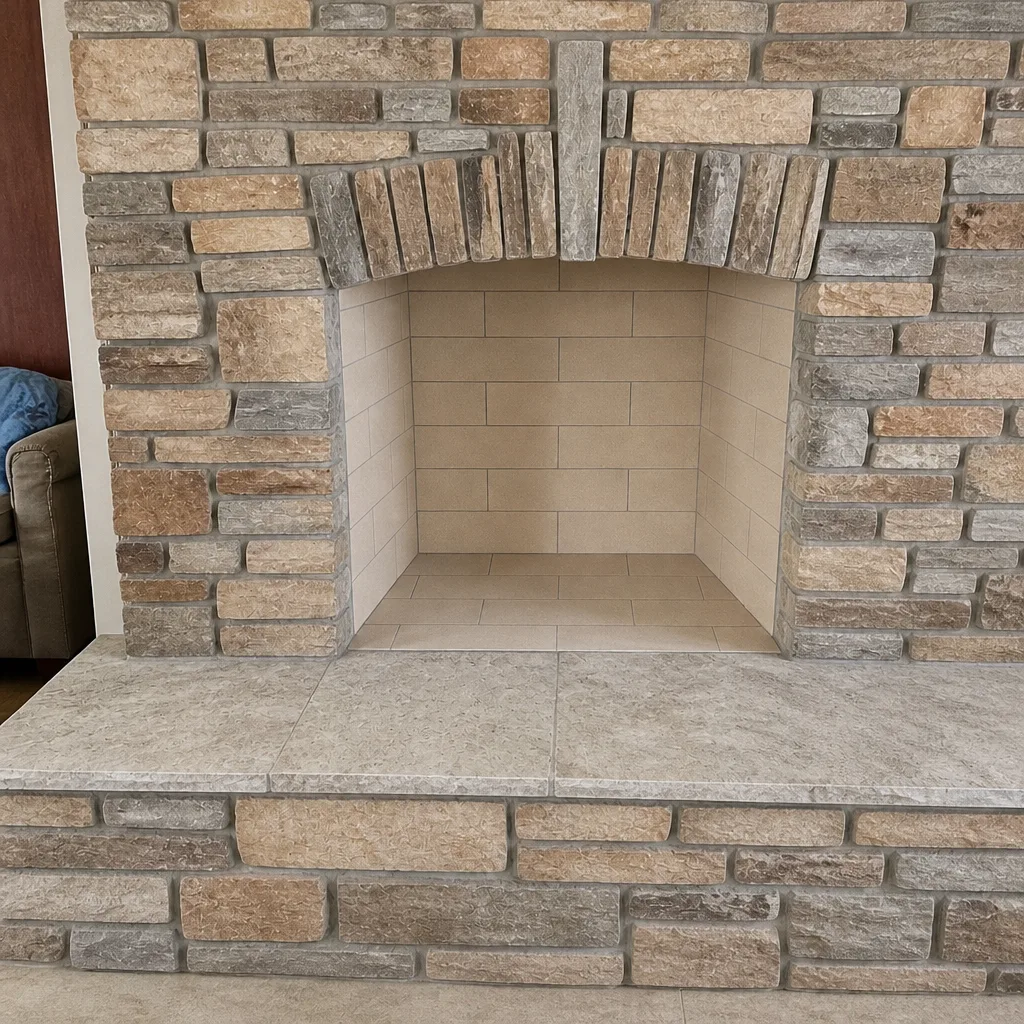
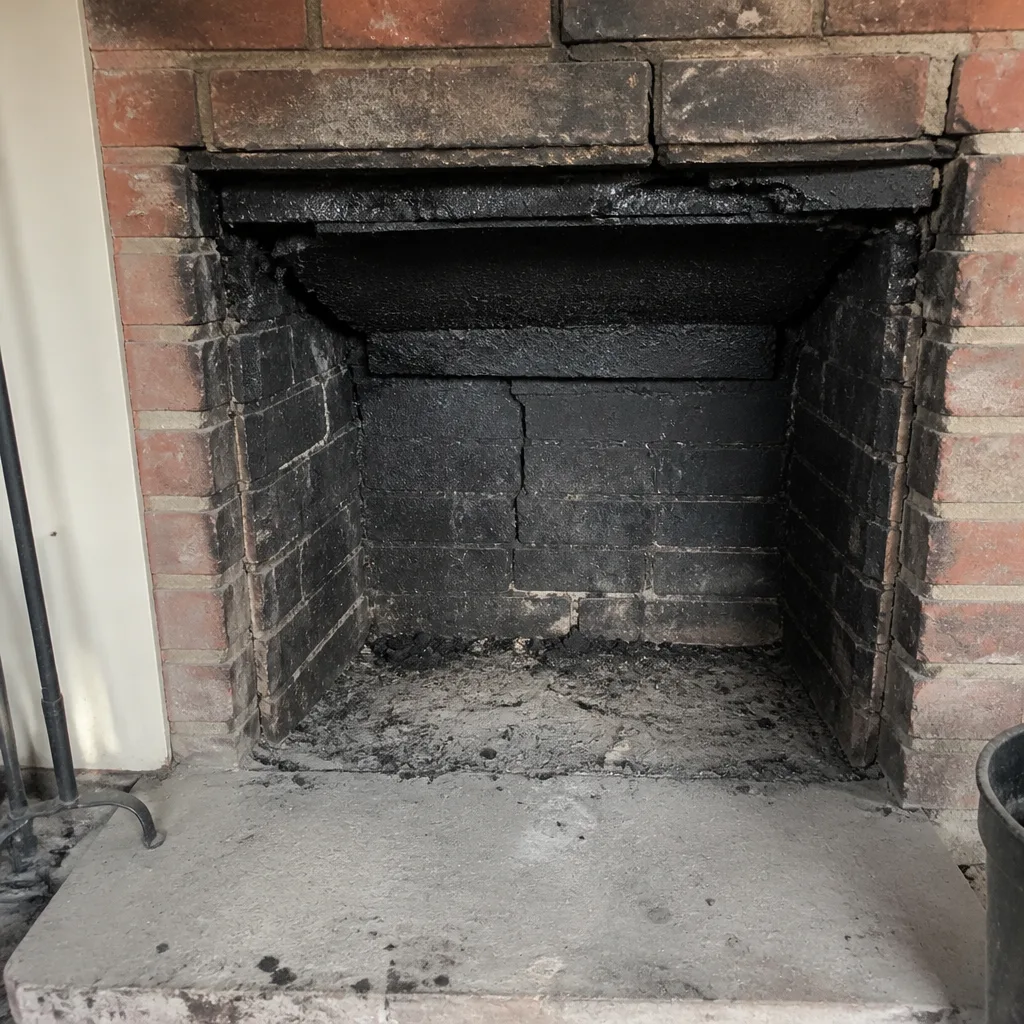
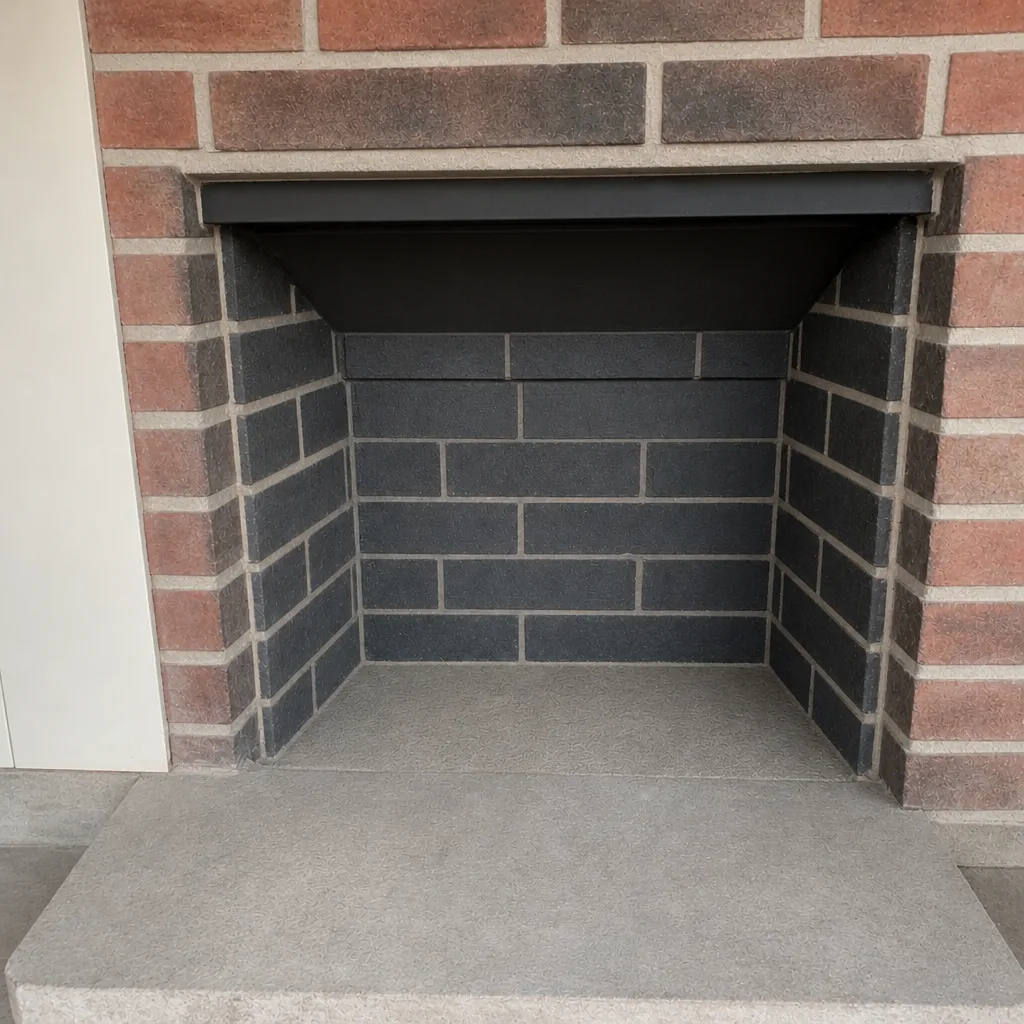
See the difference
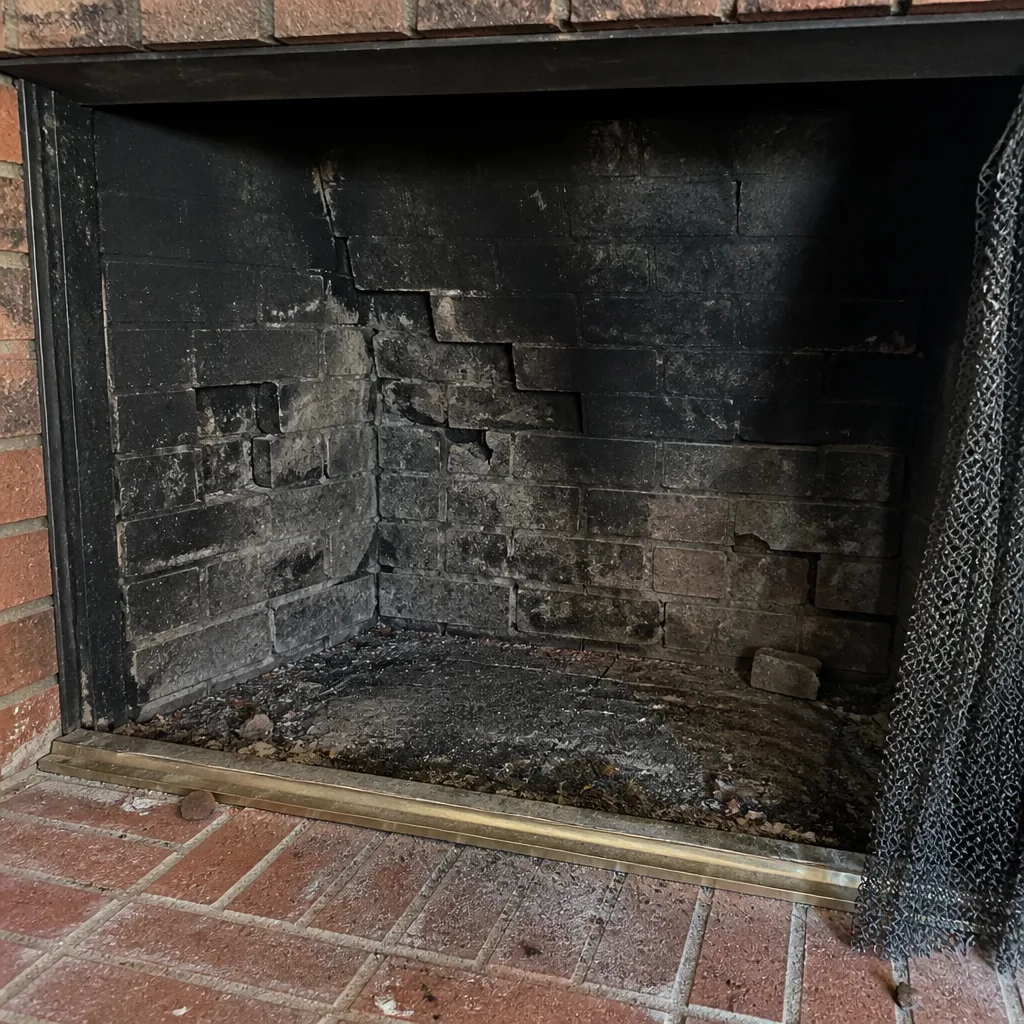 Before
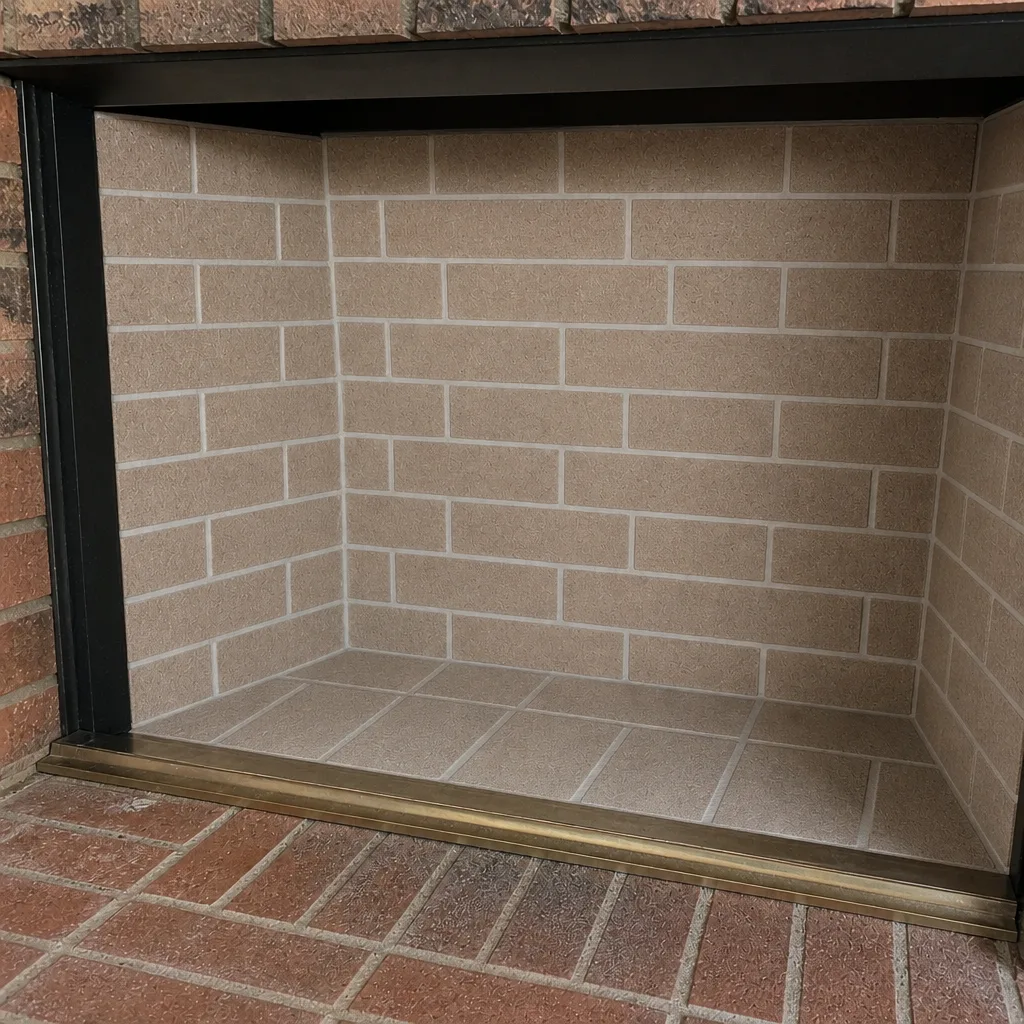 After
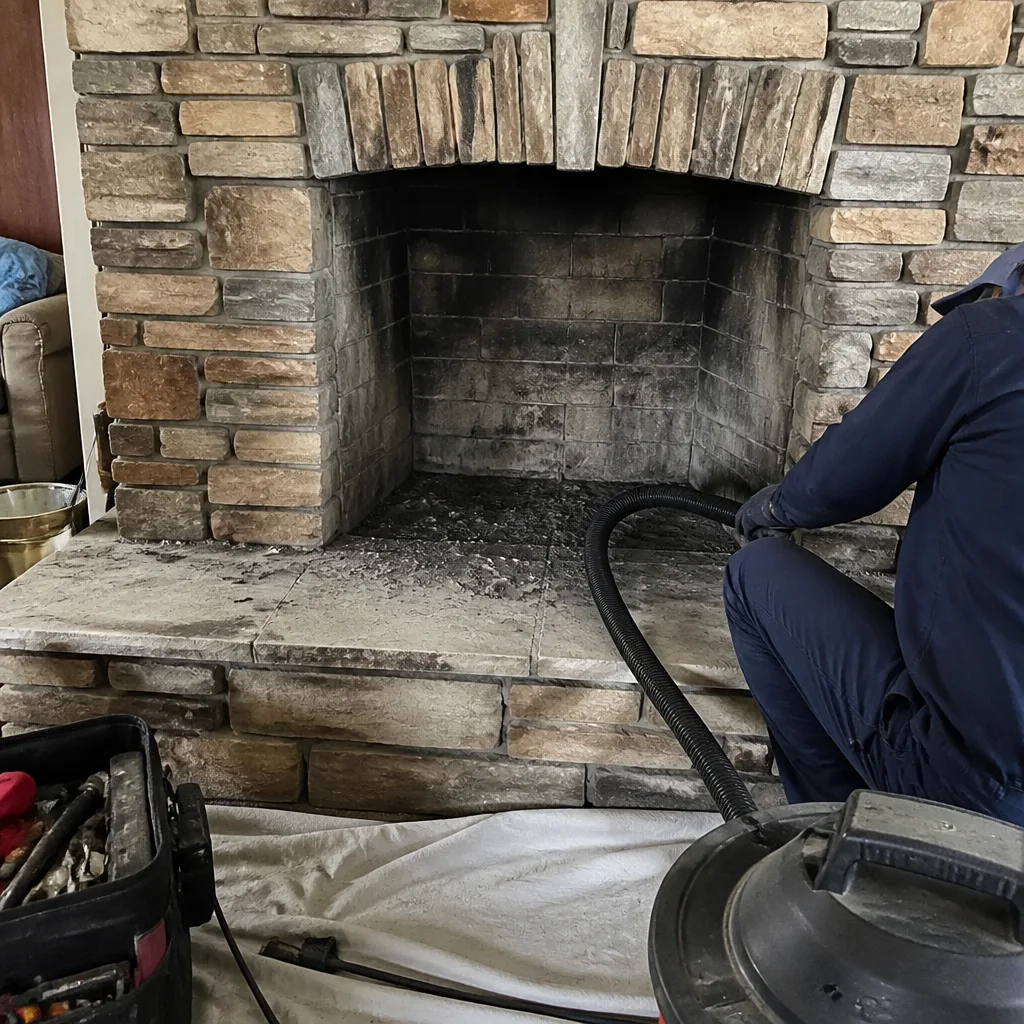 Before
 After
 Before
 After
When to Call a Professional
Some jobs are routine, and some need a trained technician. Call a professional for a sweep when it’s been a season or more since the last cleaning, when you’ve moved into a home and don’t know the flue’s history, or when you’re about to start burning again. Call for a Level 2 inspection when there’s been a chimney fire, storm damage, a change in fuel type, or a new appliance on the flue. And call if you see glazed creosote, a cracked flue tile, a sticking damper, or smoke rolling into the room. We don’t recommend any repair without camera evidence you can see for yourself, and we’ll tell you plainly when work can wait. Whitman Chimney Cleaning offers free estimates in Spring Valley. Call (888) 344-4211. We answer 24/7. Fast dispatch from 7am to 7pm, Sunday through Friday.
Frequently Asked Questions
Once a year for a household that burns wood regularly. The short but intense burn season here builds glazed creosote fast, so an annual sweep before the season starts is the practical default. If you burn only occasionally, the interval can stretch, but the flue should still be inspected annually. Call (888) 344-4211 for an exact quote. Estimates are free.
A routine sweep with a Level 1 inspection typically runs $150 to $350. A Level 2 camera inspection runs $250 to $550, and repairs or relining are quoted separately after the inspection. The written estimate sets the final price. Call (888) 344-4211 for an exact quote. Estimates are free.
Only if the camera shows the existing liner or flue tile is cracked, gaps in the mortar, or separated from the wall. A flue with deteriorated mortar and intact tile can often be resurfaced with HeatShield instead of fully relined. When a flue does need a liner, DuraFlex flexible liner systems are the standard choice. We don’t recommend relining without showing you the footage. Call (888) 344-4211 for an exact quote. Estimates are free.
Creosote accumulates in the flue and, in this dry climate, bakes into a hard, glazed layer that fuels a chimney fire. The chimney can still draw normally while the risk builds, which is why skipping visits is a bad bet. A blocked or damaged flue can also let carbon monoxide back into the home. Call (888) 344-4211 for an exact quote. Estimates are free.
Yes, if it’s loose, undersized, or letting dust past its edges. In Spring Valley, a cap is your first defense against wind-driven desert particulate getting into the flue. We check the cap and damper on every visit and recommend a replacement only when the fit or condition calls for it. Call (888) 344-4211 for an exact quote. Estimates are free.
Yes. Dryer vent cleaning is a standard service, not an upsell, and it can be handled during the same appointment. Lint buildup is a fire hazard independent of the chimney, and clearing both in one visit keeps them on the same schedule. Call (888) 344-4211 for an exact quote. Estimates are free.
The Bottom Line
Chimney cleaning in Spring Valley is about more than sweeping soot. The Mojave climate changes how creosote forms, how dust moves through the flue, and how quickly a cap or damper degrades. A routine sweep with a Level 1 inspection handles the basics, and a Level 2 camera inspection tells you the truth about the flue’s interior. Match the brush to your flue, keep the cap sealed, handle the dryer vent on the same schedule, and schedule the sweep before the burn season starts. If a repair is needed, proper materials and a camera you can look at make the recommendation trustworthy. Call (888) 344-4211 for a free estimate. We answer 24/7. Fast dispatch from 7am to 7pm, Sunday through Friday.
Written by the team at Whitman Chimney Cleaning.